
00
Prindsen Hage
Oslo, Norway
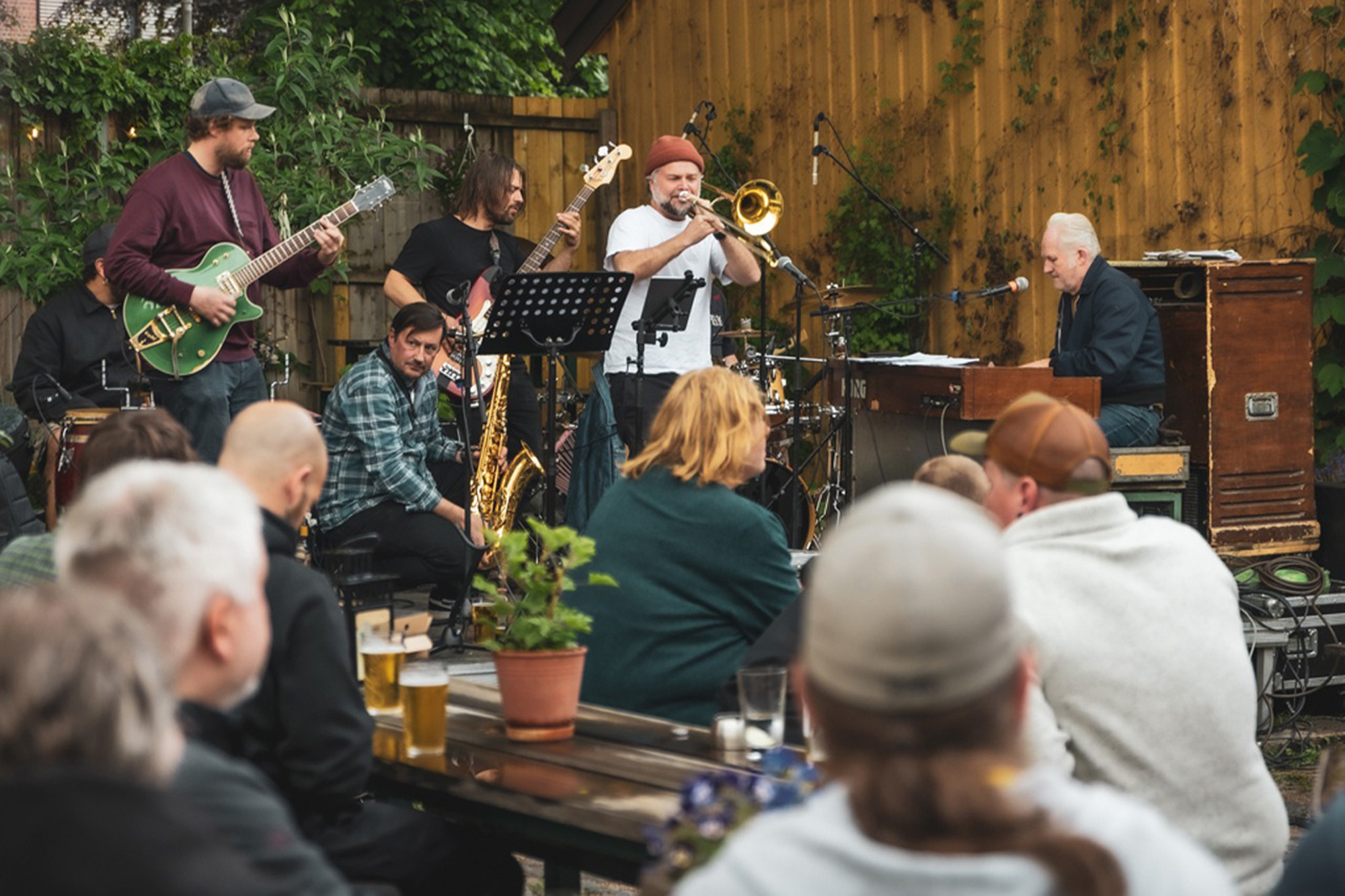
Few Oslo courtyards make quite such a dramatic reveal as Prindsen Hage. Hidden behind the façades of Storgata and Brugata, the space opens into a surprisingly expansive urban garden framed by old brick walls and historic buildings, designed by Christian Heinrich Grosch, one of the most important figures in 19th-century Norwegian architecture. Communal tables, greenery, strings of lights and areas for games give it a loose, almost festival-like character, while food stalls and bars keep the mood resolutely informal. What appeals to us most is the sheer scale of the place: after the compressed streets outside, finding this much open space concealed within a city block feels faintly improbable. Come with time to spare, choose a table beneath the lights and let Prindsen Hage do what Oslo’s best courtyards do so well – make the city temporarily disappear.
Prindsen Hage
Christian Krohgs gate 15
Oslo
Norway
Oslo
Norway
Affiliate link (what is it?)
Photography courtesy of Prindsen Hage
Prindsen Hage
Few Oslo courtyards make quite such a dramatic reveal as Prindsen Hage. Hidden behind the façades of Storgata and Brugata, the space opens into a surprisingly expansive urban garden framed by old brick walls and historic buildings, designed by Christian Heinrich Grosch, one of the most important figures in 19th-century Norwegian architecture. Communal tables, greenery, strings of lights and areas for games give it a loose, almost festival-like character, while food stalls and bars keep the mood resolutely informal. What appeals to us most is the sheer scale of the place: after the compressed streets outside, finding this much open space concealed within a city block feels faintly improbable. Come with time to spare, choose a table beneath the lights and let Prindsen Hage do what Oslo’s best courtyards do so well – make the city temporarily disappear.