Discover what’s new before everyone else:

Get our free on-the-go Nordic hotspot map!

Copenhagen, Denmark

Copenhagen: a city guide to staying, eating and living well

An insider guide to how Copenhagen works as a city follows the day the way locals do it: coffee early, bikes everywhere, dinner sooner than expected and streets that stay civil without trying. As Denmark’s capital, the city is organised around neighbourhood micro-centres and routines that keep life moving. This guide maps those rhythms and translates them into where to stay, eat, drink, shop and spend time.

Table of Contents

Short on time? We’ve got you

Only Copenhagen’s 100+ essential spots • Curated by our editors • Desktop and mobile friendly
Copenhagen Denmark travel guide

What kind of city is Copenhagen, really?

Copenhagen likes to present itself as relaxed and slightly bohemian, but it is, in fact, one of Europe’s most tightly run cities. Founded in the 10th century as a fortified trading post on the Øresund strait, it grew wealthy by controlling movement between the Baltic and the North Sea – and it has been organising life efficiently ever since. Today, with just over 650,000 residents, it consistently ranks among the world’s cities with the highest quality of life, highest taxes and least patience for disorder.

A city that plans ahead

Much of what visitors read as effortlessness is the result of decades of planning. The Finger Plan of 1947 channelled growth along rail corridors and protected green wedges between neighbourhoods. Cycling infrastructure expanded steadily from the 1980s; more than half of all daily commutes are now made by bike. Harbour clean-up began in the 1990s and turned former industrial water into something people swim in year-round. Sustainability here is policy, regulation and maintenance, effectively enforced.

This has shaped a city that functions smoothly but rarely bends. Restaurants help define global dining culture, yet kitchens close early and reservations rule. Alcohol is heavily taxed. Design is everywhere. Public space is generous, behaviour in it is closely observed. Copenhagen does not court visitors with charm; it expects them to keep up.

For those who do, the reward is a city that feels calibrated rather than chaotic. Life runs on routines, neighbourhoods matter more than landmarks and quality of life is a measurable outcome. The downside is that Copenhagen knows this and occasionally behaves like it. Whether that confidence reads as admirable or faintly smug is part of the experience – and very much the point.

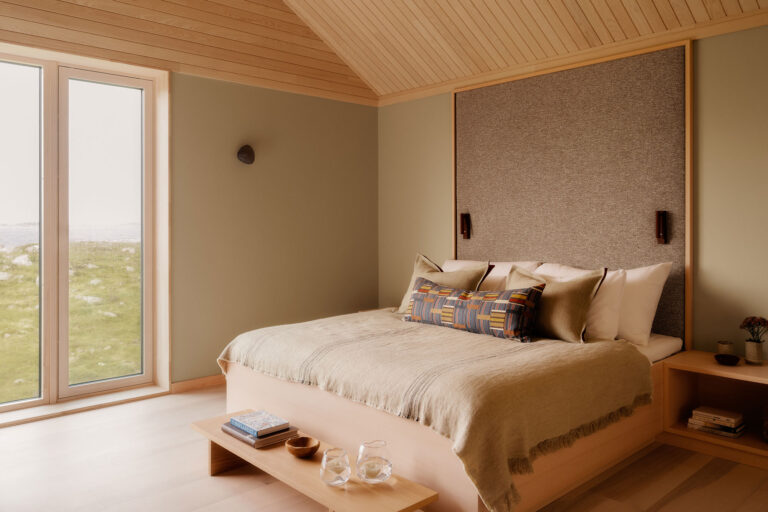
Photography courtesy of Sommarnöjen

Copenhagen Denmark travel guide

How is Copenhagen organised?

Copenhagen’s geography is uncomplicated; its daily patterns are not. The city is compact, largely flat and easy to cross by bike or metro, but life plays out very differently depending on where you spend your time. What separates one area from another is less about distance than about pace, use and the kinds of routines that dominate the day.

What is often underestimated is how little centrality determines quality of life here. Being marginally outside the core can mean calmer mornings, better access to everyday services and a clearer sense of the city when it is running on its own terms. In Copenhagen, neighbourhood choice is about alignment with how you want your days to unfold.

Indre By

At the centre of Copenhagen sits its institutional core. Parliament, ministries, royal palaces and major museums are concentrated here, alongside a high density of offices, retail and hotels. Activity peaks during working hours and organised events, then drops noticeably in the evening. Indre By functions efficiently and predictably, shaped by administration, tourism and short stays more than everyday residential life.

Vesterbro

Once marked by industry and red-light trade, Vesterbro now carries much of the city’s social and culinary momentum. Restaurants, bars and late openings cluster along Istedgade and in the former Meatpacking District, extending the day further into the evening than in most parts of the city. The area remains denser, louder and more outward-facing than its neighbours, without ever fully escaping Copenhagen’s underlying order.

Nørrebro

In Nørrebro, daily life sets the tone. It is the city’s most densely populated district, shaped by migration, activism and a younger demographic. Streets are busy throughout the day, public spaces are actively used and local businesses cater first to residents rather than passers-by. The rhythm here is consistent, with fewer sharp shifts between weekday and weekend.

Østerbro

Further north, Østerbro operates at a steadier tempo. Streets widen, traffic thins and green space becomes more prominent, particularly around parks and the waterfront. One of Copenhagen’s most affluent districts, it is structured around family life, routines and long-term residence. Evenings are quiet, not by accident but by design.

Christianshavn

Defined as much by water as by planning, Christianshavn moves according to its own logic. Canals cut through former merchant and naval areas, and movement follows the water rather than the grid. Some parts feel deliberately polished, others intentionally not. The district remains slightly detached from the rest of the city, both geographically and culturally.

The Krane Copenhagen Denmark hotel stay
Sanders Residence Copenhagen Denmark hotel review

Where do I stay in Copenhagen?

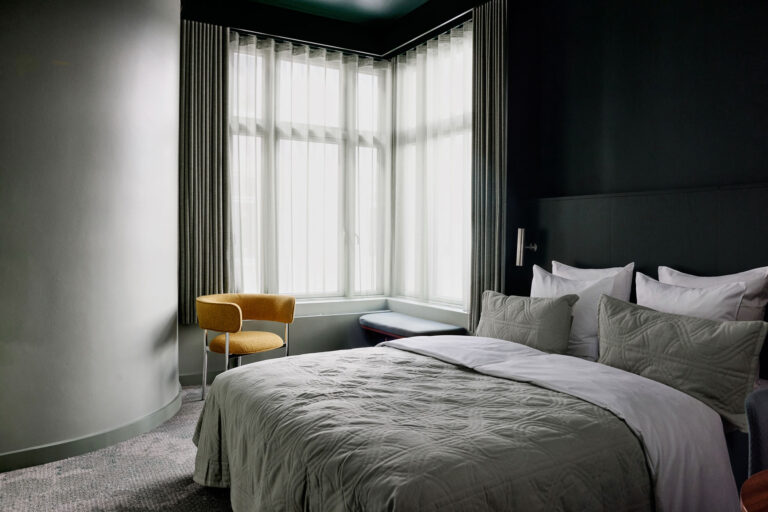
Copenhagen is not a city where being central guarantees a better stay. The distances are short, public transport is efficient and cycling collapses neighbourhood boundaries quickly. What actually shapes the experience is rhythm – when areas are active, when they wind down and how daily life is structured once the workday ends.

Staying in the wrong place can feel oddly flat, even if the address looks perfect on a map. Staying slightly further out often means calmer mornings, better local food and a sense of the city when it is not performing.

Choosing your base

Once rhythm is the priority, neighbourhood choice becomes clearer. Indre By suits short stays and first visits, with immediate access to institutions, shopping and major sights, but a noticeably quieter feel in the evenings. Read our guide to our top hotel picks in Indre By

Vesterbro works for those who want restaurants, bars and social life within walking distance, and a day that stretches later than in most parts of the city. Read our guide to our top hotel picks in Vesterbro.

Nørrebro makes sense for longer stays, repeat visits and anyone drawn to everyday routines over landmarks, with cafés, bakeries and local life setting the pace.

Østerbro appeals to those who value space, order and quiet, particularly families and travellers who prioritise rest over nightlife.

Christianshavn offers a slower tempo shaped by water and distance, attracting those who prefer separation without isolation. Read our guide to our top hotel picks in Christianshavn.

Across all areas, prices are high, rooms are often compact and design is treated as a baseline rather than a selling point. Staying five minutes further out rarely feels like a compromise. Choosing the wrong rhythm almost always does.

For a closer look at these neighbourhoods (and more) through the lens of accommodation, our guide to where to stay in Copenhagen breaks them down in detail.

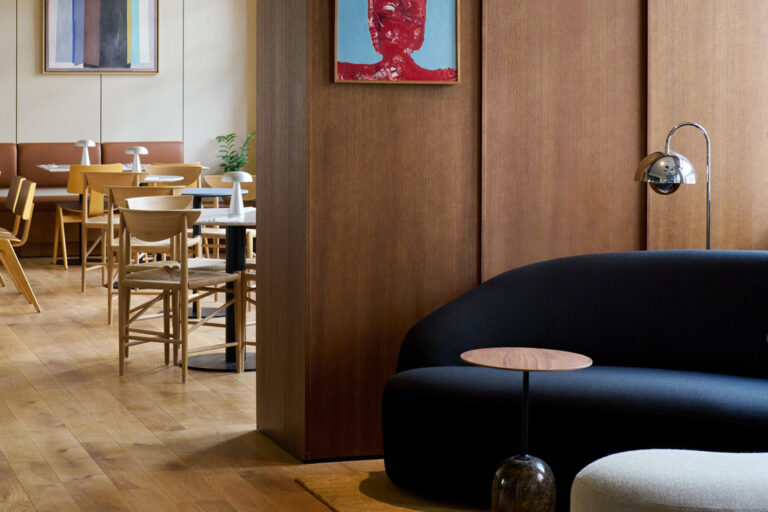
Photography courtesy of The Krane and Sanders Residence

Where do I eat and drink in Copenhagen?

Copenhagen eats earlier than many people expect. Lunch peaks before 13:00, dinner often begins around 18:30 and a surprising number of kitchens close by 21:00, even at places with international reputations. Reservations are common, walk-ins less so.

Alcohol is expensive, service is efficient and lingering is not always encouraged. Bars open later than cafés and Sundays operate at a noticeably slower tempo. If you arrive late and hungry, the city is unlikely to adjust its schedule for you.

Food follows neighbourhood logic

Eating and drinking in Copenhagen is shaped more by location than by cuisine. Social, evening-led dining clusters in parts of Vesterbro. Everyday eating dominates in Nørrebro, where bakeries, cafés and informal restaurants serve local routines first. Indre By skews formal and touristic, with higher prices and a daytime focus. Østerbro favours neighbourhood places, earlier hours and repeat custom. Christianshavn moves more slowly, influenced by water, distance and fewer late openings.

The result is a food scene that feels distributed rather than centralised. Quality is high across the city, but the experience changes significantly depending on where and when you eat.

How to approach eating out

Copenhagen rewards proximity, timing and flexibility. Chasing individual restaurants across the city rarely pays off, unless you’ve made reservations.

Expect quality as a baseline. Expect prices to reflect labour, rent and taxes. The city’s food culture does not try to accommodate everyone at once and is better for it.

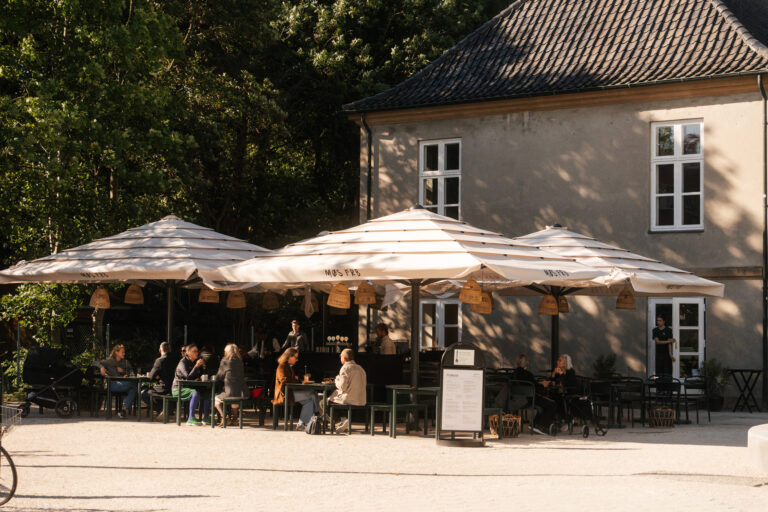
Photography courtesy of Cabin and Next Door at Propaganda

Where do I shop in Copenhagen?

Copenhagen has a black belt in retail restraint, but it wears it lightly. This is a city that knows it has good taste and doesn’t feel the need to rehearse the argument. Flash rarely survives. Excess gets edited out. Longevity is the real status symbol, even if no one calls it that.

Design is part of the everyday infrastructure. Chairs, coats, lamps and tableware are expected to work properly, age gracefully and earn their place. If something feels clever for the sake of it, it usually doesn’t stick around.

Taste is assumed

The best shops in Copenhagen tend to be small, tightly edited and gently opinionated. Many focus on a single category and do it well: eyewear, ceramics, menswear, books and fragrance. The curation is confident, sometimes dry, occasionally playful. Staff usually assume you know what you’re looking at, but if you don’t, they’ll help without making a performance of it.

There’s a lightness to this confidence. Copenhagen isn’t trying to test you, it’s simply comfortable with the idea that not everything needs to appeal to everyone.

Retail follows real life

Shopping here happens where life already is. Indre By gathers the familiar names and flagships, efficient and predictable. More interesting finds often appear elsewhere, woven into neighbourhoods rather than grouped together. Nørrebro and parts of Vesterbro reward wandering. Østerbro focuses on quality basics and everyday needs. Christianshavn stays selective and unhurried.

Opening hours can feel short, weekends quieter than expected. Shops open when they open and close when they close – it’s less about maximising footfall and more about fitting into a daily rhythm.

How to enjoy retail

Copenhagen shopping works best when you relax into it. Slow down, pay attention and don’t expect to come home with bags full of things. One well-chosen object is often the win here.

If you’re looking for spectacle or bargains, this will feel modest. If you enjoy places where taste is practiced quietly and with a bit of humour, shopping becomes one of the more enjoyable ways to read the city.

Photography courtesy of Kristina Dam Studio and Palmes Center Court

The Round Tower Copenhagen Denmark architecture
The Marble Church Copenhagen Denmark architecture

What do I see and do in Copenhagen?

Copenhagen does not work very hard to entertain you – it assumes a certain level of curiosity and leaves the rest up to you. Sure, there are palaces, major museums and architectural statements, all competently done, but the city’s real appeal lies elsewhere. It sits in how easily culture folds into daily life, without being announced or packaged.

People swim in the harbour before work. Cemeteries double as parks. Libraries act as civic living rooms. None of this is framed as an experience, it’s just how the city runs.

Culture without the velvet rope

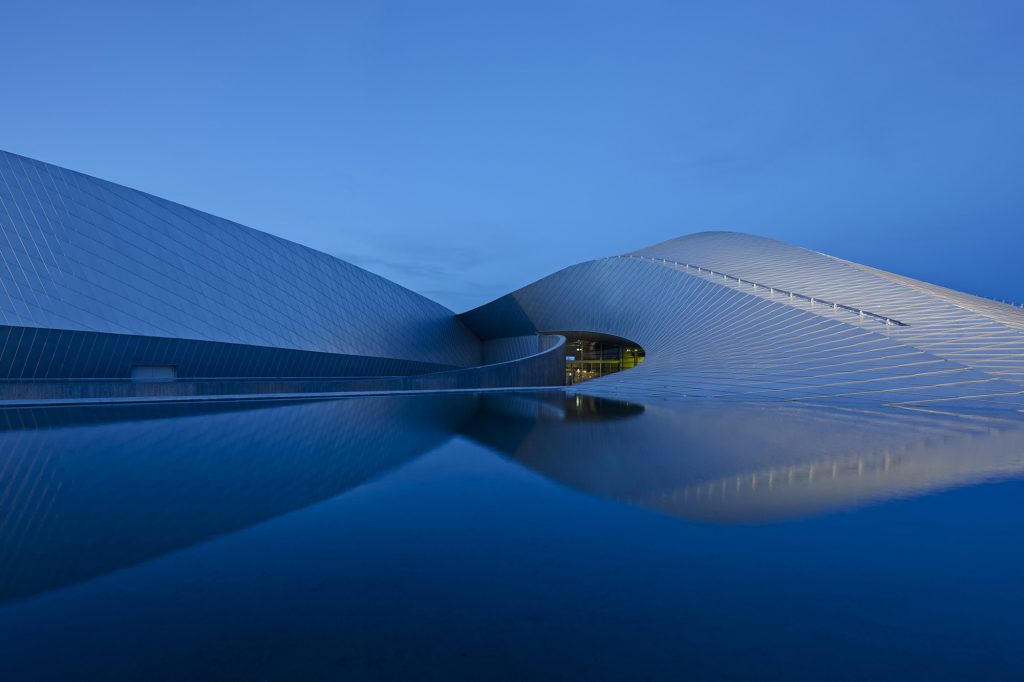
Copenhagen’s cultural institutions are well funded and taken seriously, but rarely feel precious. Art, design and architecture are integrated rather than isolated, and new buildings tend to prioritise use over spectacle. Old ones are adapted, not frozen. The city is more interested in whether something works than whether it photographs well. This can be disarming if you’re used to cities that build icons first and purpose later. Copenhagen prefers that you notice things slowly.

Nature, built in

Green space and water are not scenic extras here, they are part of the city’s operating system. Large parks sit close to the centre. Beaches and harbour baths are woven into everyday routes. Access is easy, rules are clear and behaviour is gently policed by social consensus rather than signs.

This closeness to nature helps explain why the city feels calm without being dull. It also explains why locals are protective of it. Copenhagen’s quality of life is not accidental – and it is defended.

Not a checklist

Copenhagen resists tight schedules. The more you try to optimise, the flatter it can feel. Pick one or two things you genuinely care about, then let the rest unfold between them. Walk or cycle, and then stop when something catches your attention and accept that you won’t see everything.

If you approach the city as a checklist, it may come across as reserved. If you meet it on its own terms, it can be unexpectedly generous.

Prefer an on-the-go map? We’ve got you

Only Copenhagen’s 100+ essential spots • Curated by our editors • Desktop and mobile friendly

Share this

You might also like
Book your stay in Copenhagen

Stay in the know

Sign up for the latest hotspot news from the Nordics.

Currently most read

Before you rent: the must-read car rental guide for the Nordics

Before you book: the must-read guide to Norwegian fjord cruises

By air, land or water? Pick the best travel route from A to B

The 2025 hot list: the 45 best new restaurants in Scandinavia and the Nordics

The 2025 hot list: the 26 best new hotels in Scandinavia and the Nordics

Insider guides

48 hours in Malmö, Sweden

48 hours in Copenhagen, Denmark

48 hours in Stockholm, Sweden

26

things every Scandophile must experience once