Discover what’s new before everyone else:

Get our free on-the-go Nordic hotspot map!

Helsinki, Finland

Helsinki’s kiosk culture: the yellow park stops of Finnish summer

In Helsinki, summer often comes through a yellow hatch in a park. A new generation of operators is taking the city’s old kiosks and filling them with coffee, waffles, gelato, wine, music and no-plan afternoons. The result is kiosk culture with old bones and a sharper summer rhythm. Ready for Finnish summer? Start with our favourite yellow park stops across the city.

Table of Contents

Top photography courtesy of Brera

Brera Helsinki Finland restaurant review

Why are Helsinki’s old kiosks suddenly the city’s sharpest summer ritual?

Helsinki’s lippakioski kiosks were built for small city needs: coffee, soft drinks, ice cream, newspapers, tram stops, park edges and people passing through on foot. 

The format has been part of Helsinki since the 1920s. The city architect Gunnar Taucher designed many of them, first in round forms nicknamed lankarulla, or spool of thread, then in the boxier wooden models that still sit in parks and residential corners. Some were planned as part of Helsinki’s preparations for the 1940 Olympics, which were cancelled because of the Second World War. The kiosks stayed.

Old civic shells, new operators

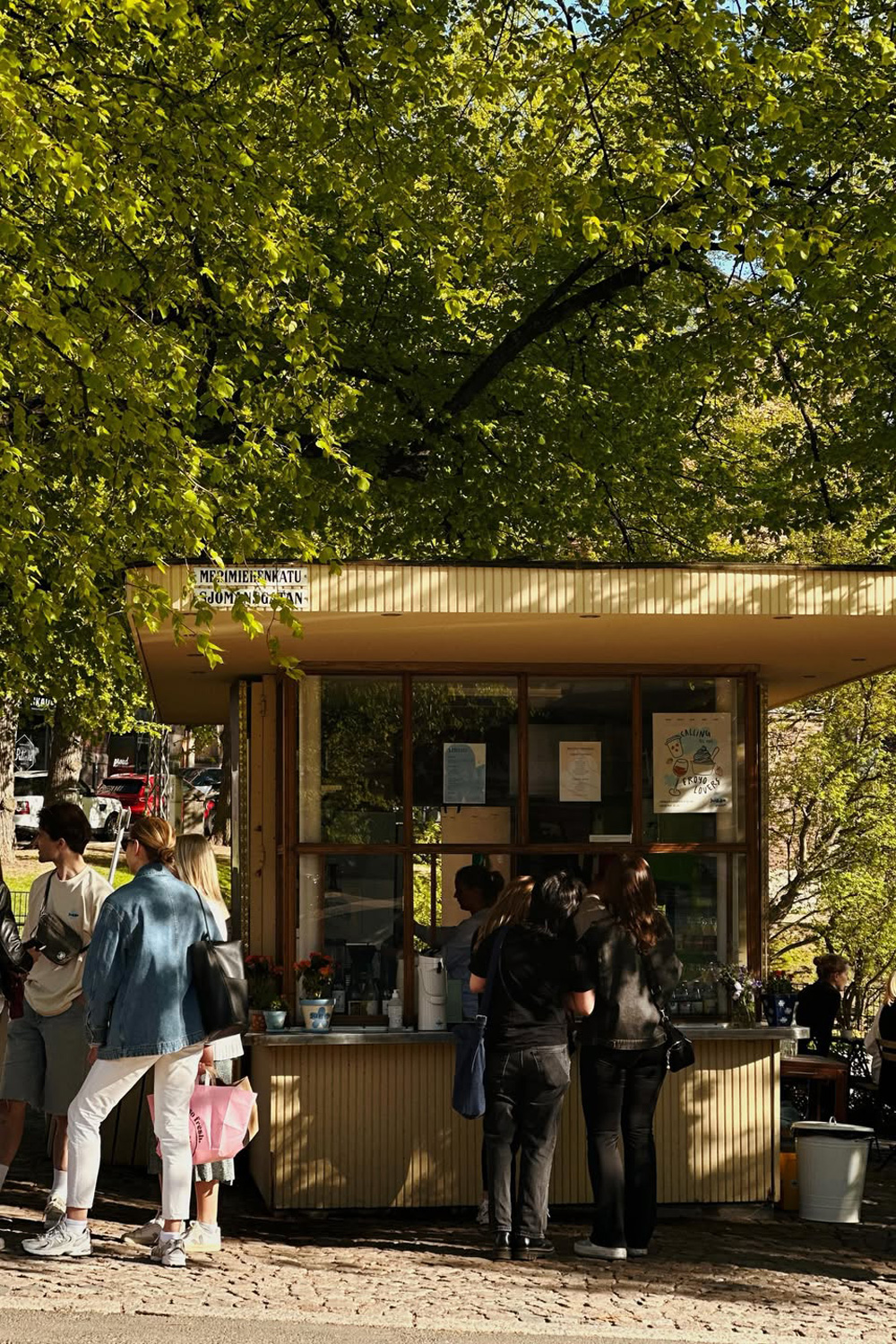
The interesting part is what has happened next. A new generation of operators has understood that the limits are the appeal. The kiosks are small, seasonal, public and slightly awkward. They cannot behave like polished restaurants. They do something better: they turn a hatch, a park bench and a queue into a summer room.

Coffee is still there. So are ice cream and waffles. But the new kiosk culture adds natural wine, gelato, tapas, focaccia, DJ sets, flea markets, small concerts and the kind of afternoon that starts as “just a coffee” and somehow becomes a plan.

The city kept the small stuff

Helsinki has protected more than 30 lippakioski kiosks for their architectural and cultural value. Some were sold to private entrepreneurs in 2015, while the city still owns nearly 20 and rents them on fixed-term leases. That gives the new operators something rare to work with: real public infrastructure with memory built in.

Why it works now

Finnish summer is short enough to make small rituals matter. The best version does not need a terrace booking, a three-course plan or a polished view. It needs light, a park, a counter, something cold, something sweet, a dog under the table and nowhere urgent to be.

Brera Helsinki Finland restaurant review

00

Brera

Helsinki, Finland

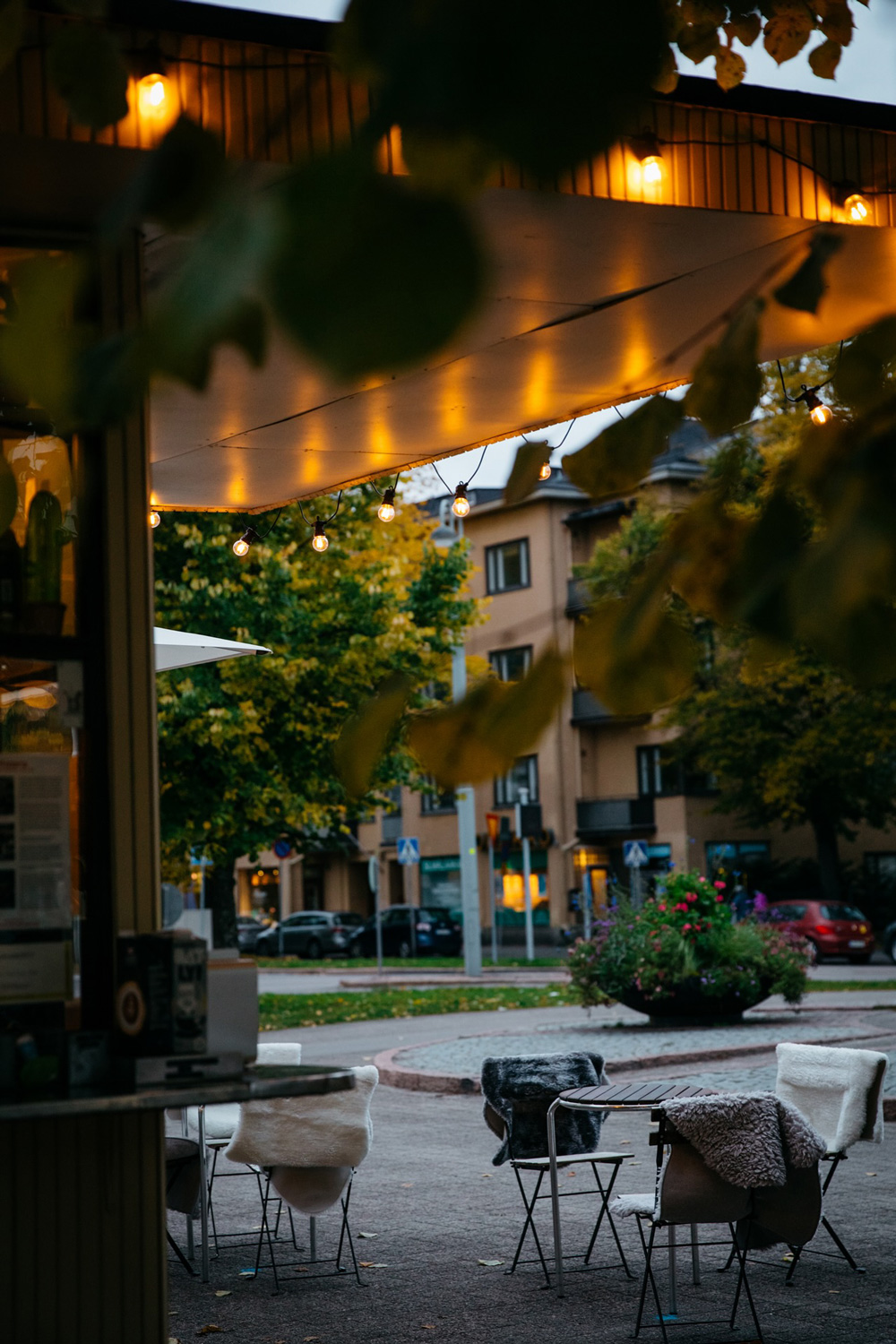
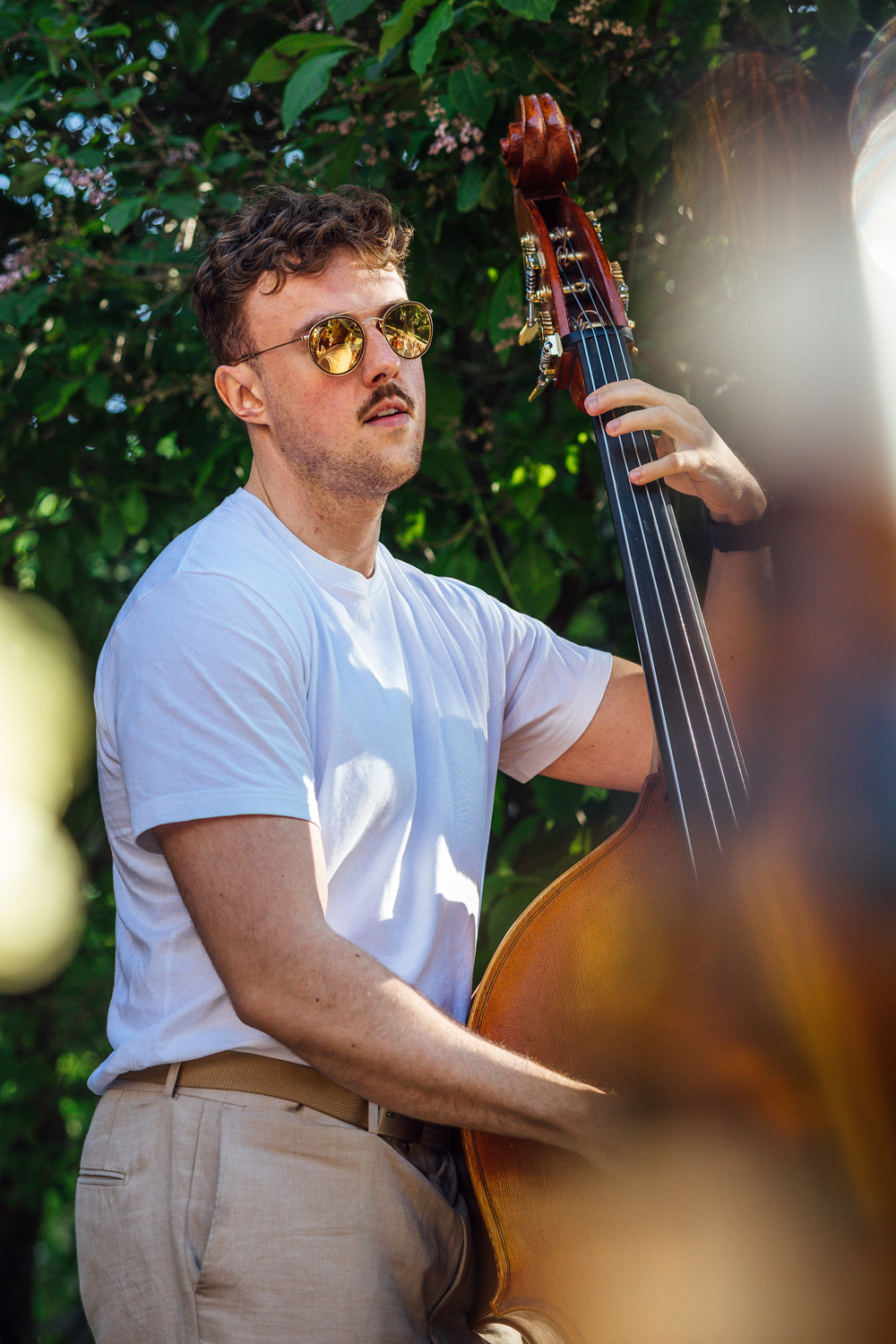
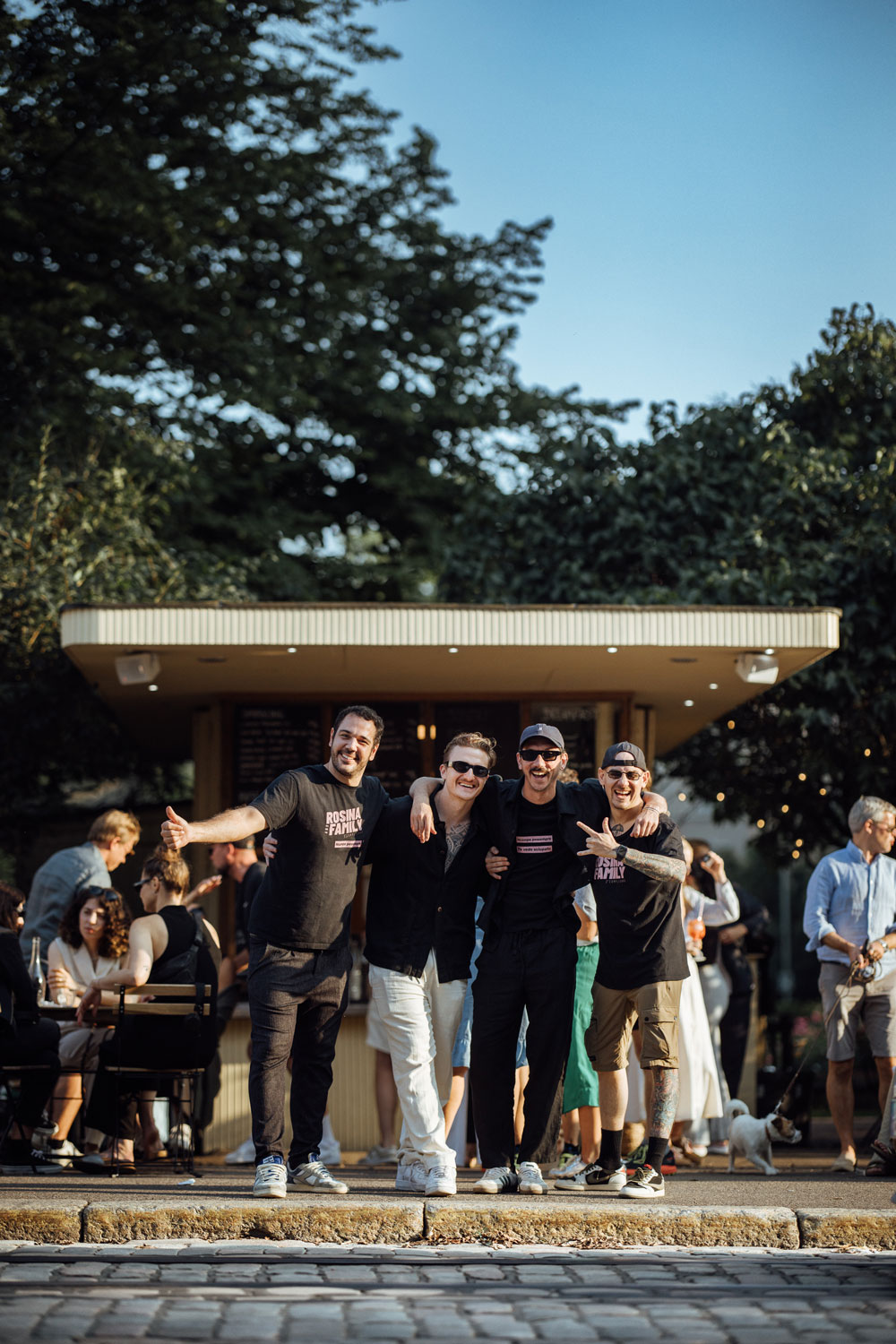
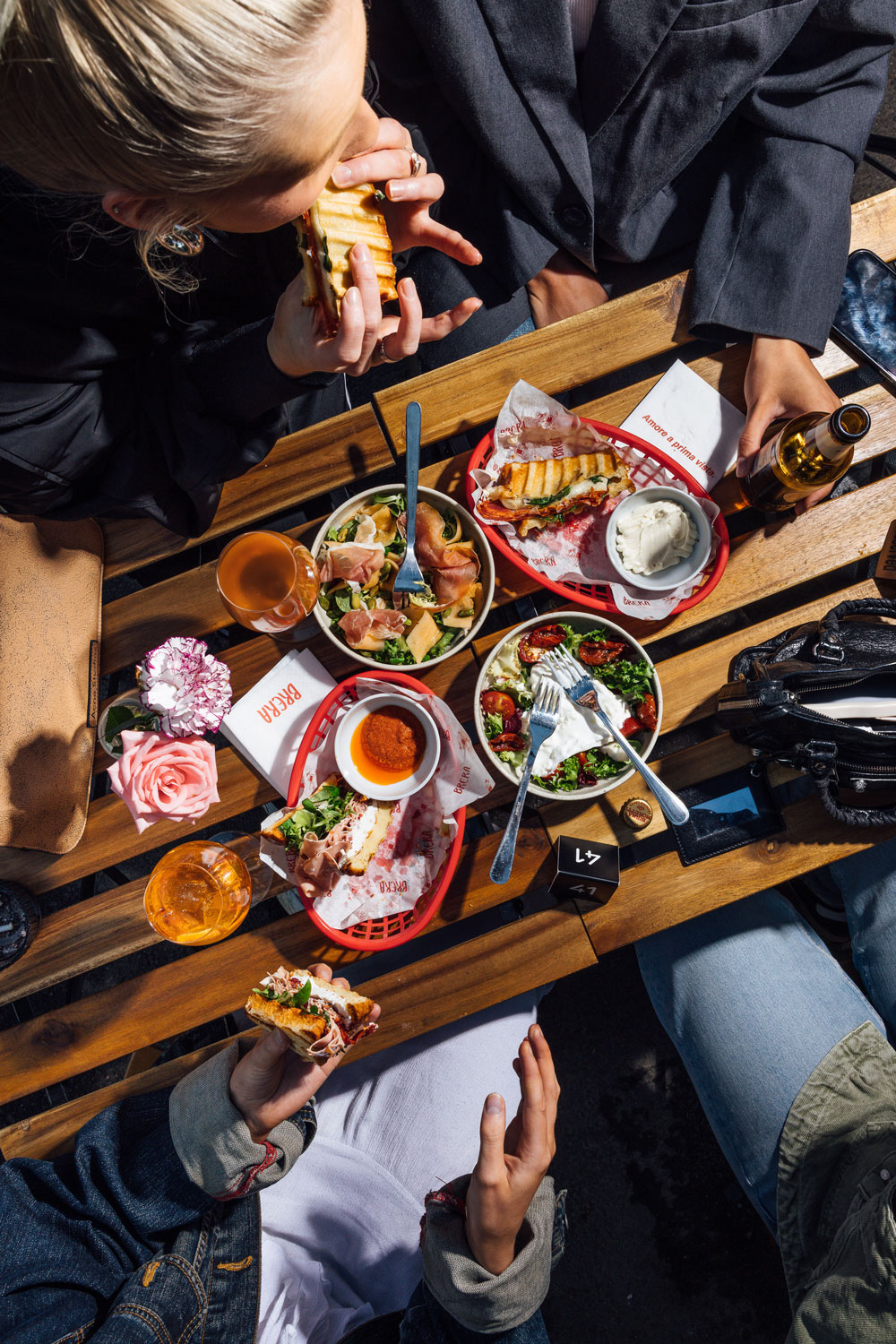
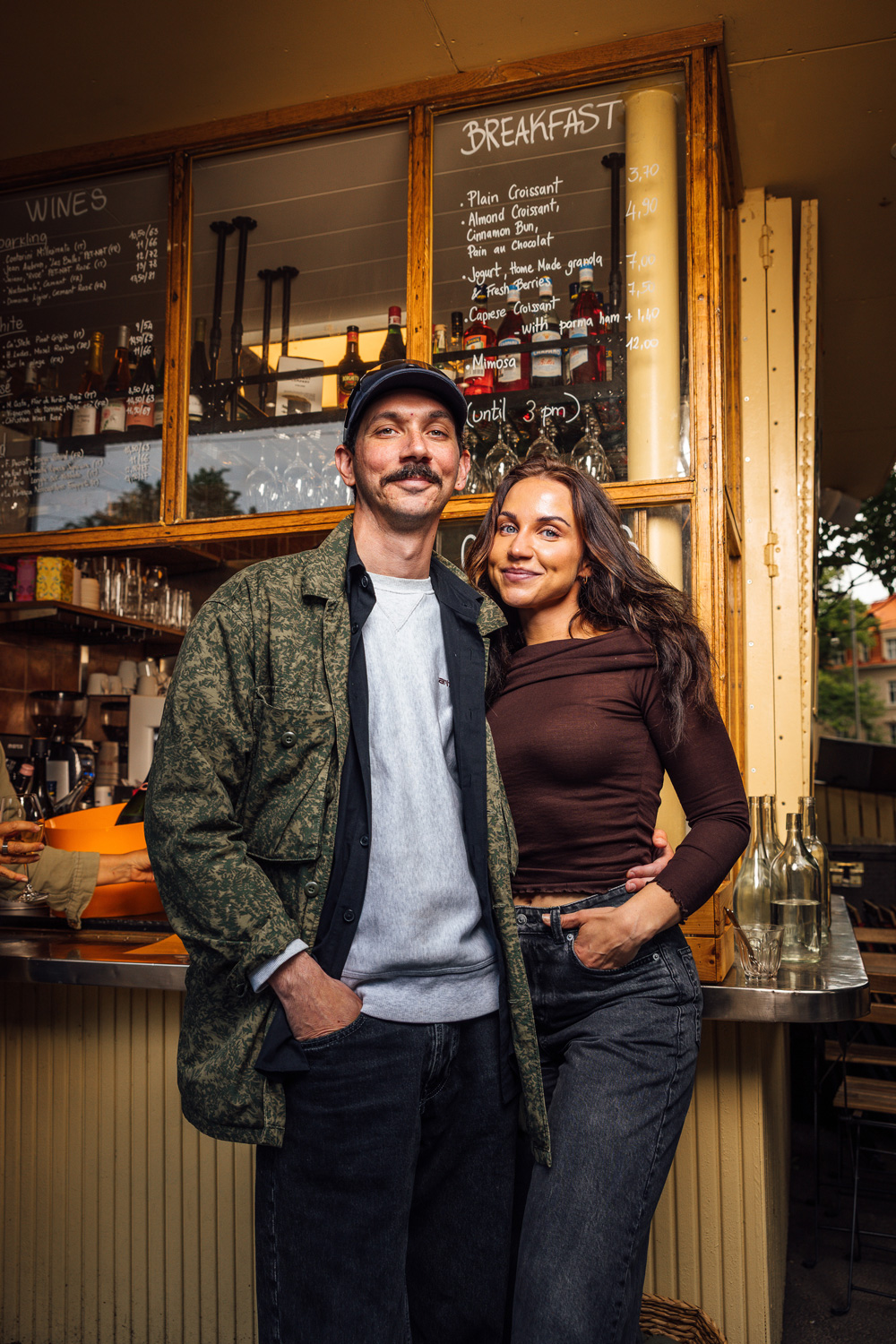
Eiranpuisto gets the Italian treatment at Café Brera, the kiosk that helped make Helsinki’s lippakioski revival feel like a social habit rather than a heritage exercise. Run by Massimo Montalbano and his brother Marco of Pickatable and Officine Brera, it serves focaccia, bruschetta, Italian snacks, wine from smaller producers, jazz evenings and park-life aperitivo with actual atmosphere. Order the mortadella focaccia, then stay for aperitivo if the weather behaves. The visual pull is obvious: tiny yellow kiosk, evening light, musicians, team energy and Eira briefly acting like summer might last longer than three weeks.
Brera
Eiranpuisto
Helsinki
Finland

Affiliate link (what is it?)

Photography courtesy of Brera
Brera

Eiranpuisto gets the Italian treatment at Café Brera, the kiosk that helped make Helsinki’s lippakioski revival feel like a social habit rather than a heritage exercise. Run by Massimo Montalbano and his brother Marco of Pickatable and Officine Brera, it serves focaccia, bruschetta, Italian snacks, wine from smaller producers, jazz evenings and park-life aperitivo with actual atmosphere. Order the mortadella focaccia, then stay for aperitivo if the weather behaves. The visual pull is obvious: tiny yellow kiosk, evening light, musicians, team energy and Eira briefly acting like summer might last longer than three weeks.
00

Jugge Bar

Helsinki, Finland

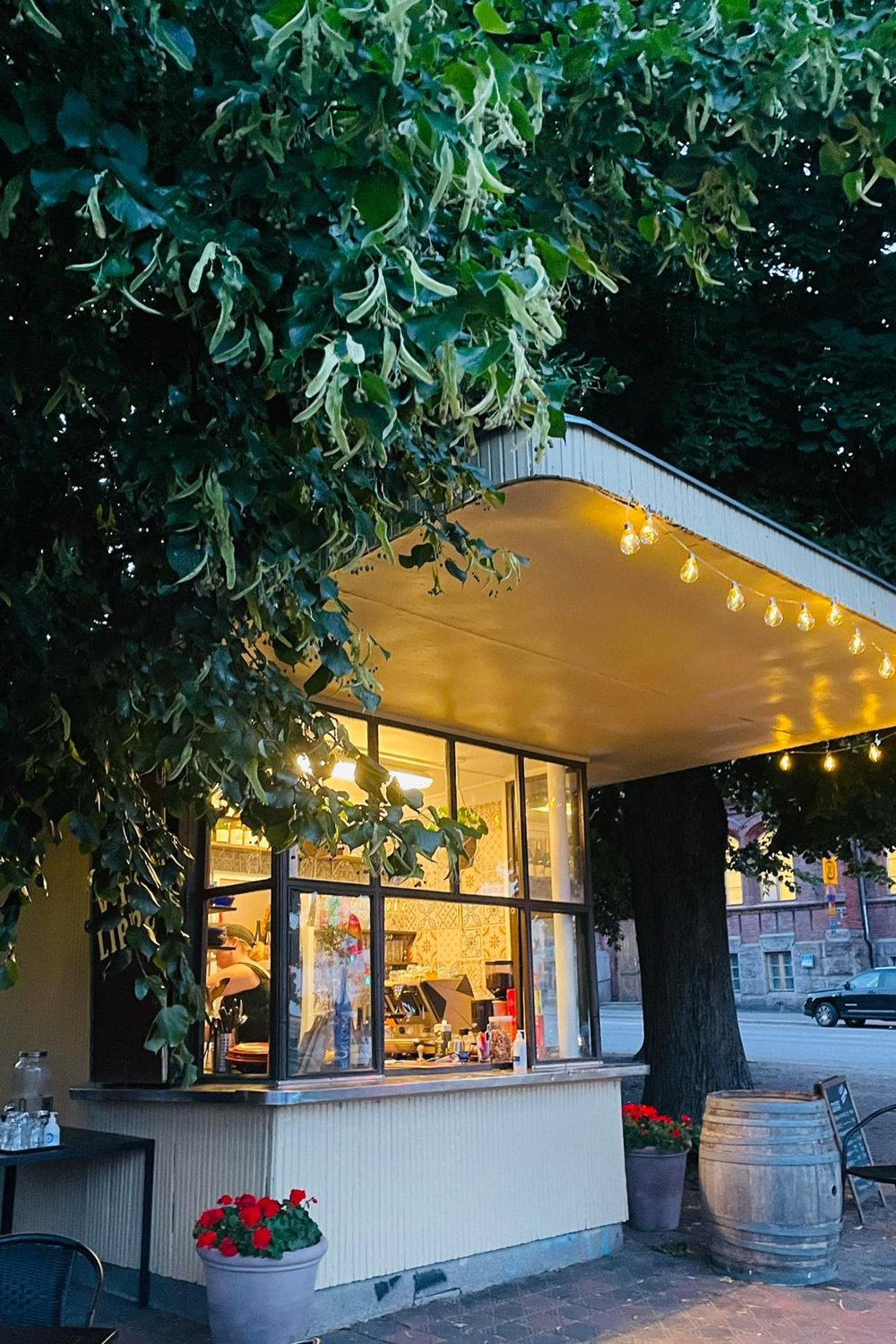
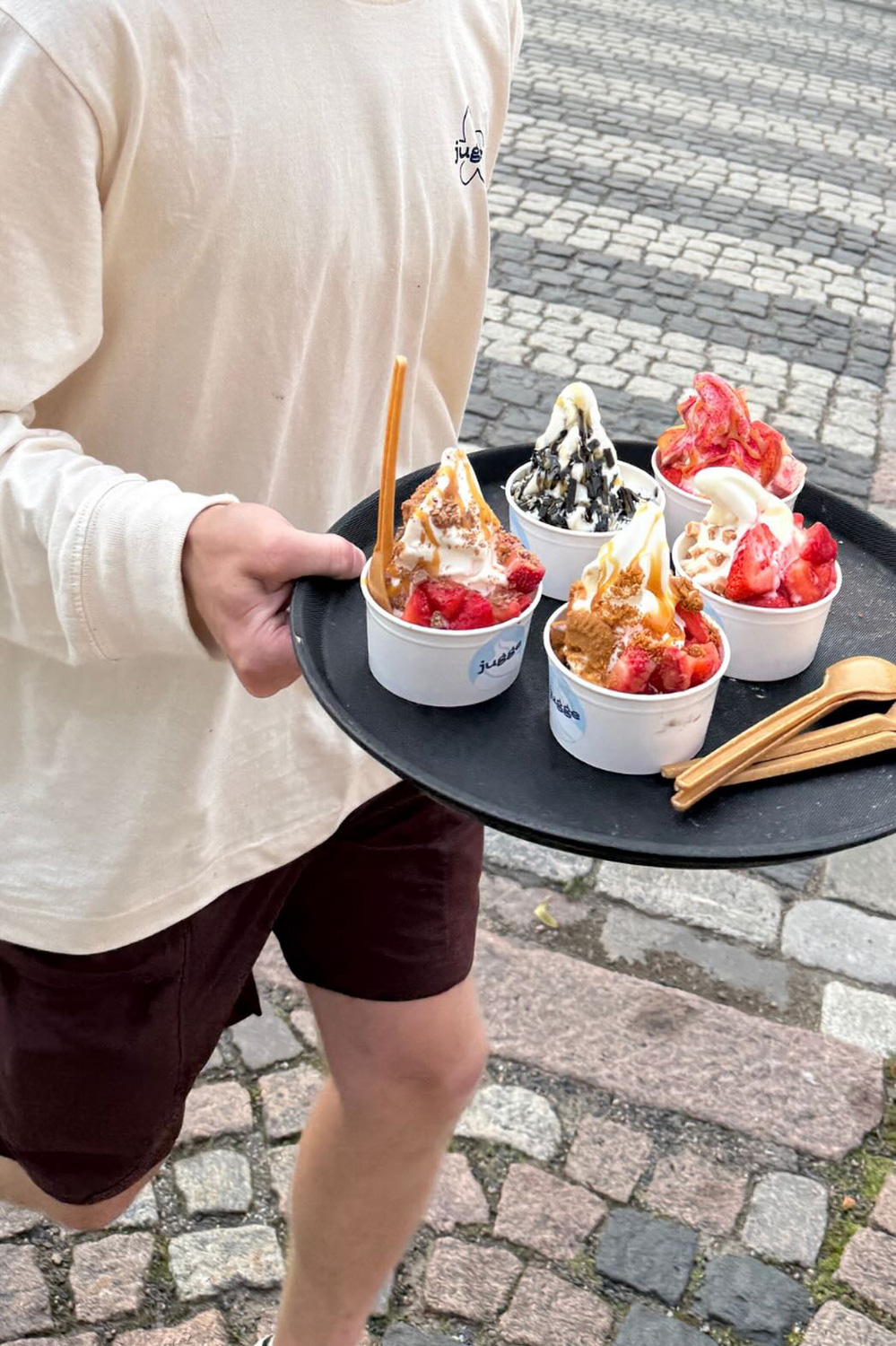
Johanneksenpuisto is where the old Helsinki kiosk stops behaving like a coffee-and-ice-cream relic. Jugge Bar turns the Ullanlinna lippakioski into a young, slightly merch-ready summer hangout built around frozen yoghurt, natural wine, coffee, yoga, pilates and the open field behind it. The order is simple: frozen yoghurt with Biscoff crumb and strawberries, then a glass of natural wine when the park starts filling up. It proves the new-generation point without trying too hard. The structure is old Helsinki, but the energy is friends on grass, toppings as personality and summer as a public sport.

Jugge Bar
Johanneksenpuisto
Helsinki
Finland

Affiliate link (what is it?)

Photography courtesy of Jugge Bar
Jugge Bar

Johanneksenpuisto is where the old Helsinki kiosk stops behaving like a coffee-and-ice-cream relic. Jugge Bar turns the Ullanlinna lippakioski into a young, slightly merch-ready summer hangout built around frozen yoghurt, natural wine, coffee, yoga, pilates and the open field behind it. The order is simple: frozen yoghurt with Biscoff crumb and strawberries, then a glass of natural wine when the park starts filling up. It proves the new-generation point without trying too hard. The structure is old Helsinki, but the energy is friends on grass, toppings as personality and summer as a public sport.

00

Käpylän Kiska

Helsinki, Finland

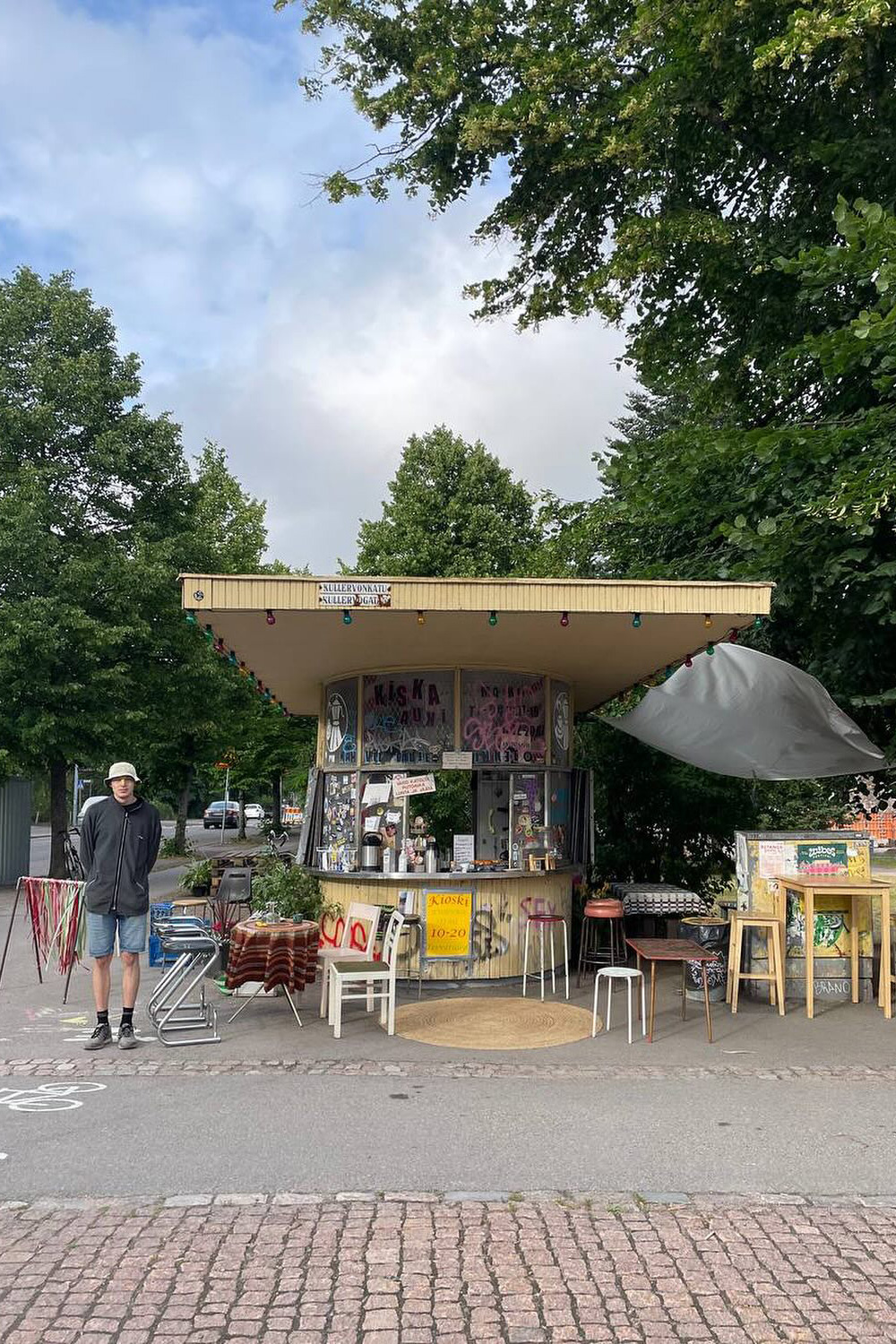
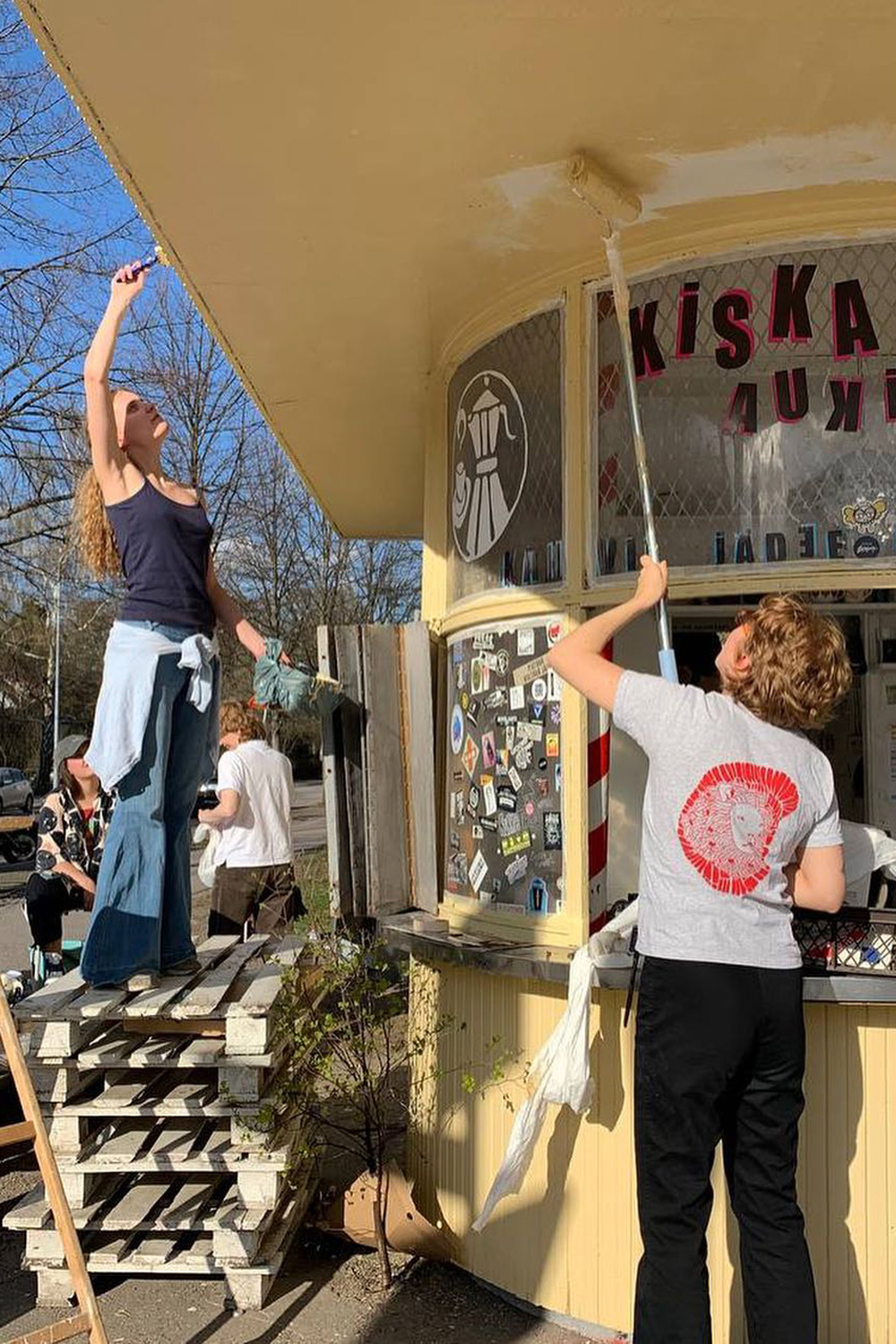
Käpylän Kiska is the neighbourhood argument for why these kiosks matter. Set by Pohjolanaukio in Käpylä, Helsinki’s wooden-house garden district, the kiosk has become less a snack stop than a shared outdoor living room: coffee, handmade ice cream, mostly vegan pastries, live music, bingo, flea markets, workshops and open calls for performers. Order the pistachio ice cream if it is on, otherwise coffee and something baked. The point is care, not consumption. When locals paint, programme and protect a kiosk, it stops being cute urban furniture and becomes public infrastructure with a serving hatch.

Käpylän Kiska
Pohjolanaukio / Meurmaninpuisto
Helsinki
Finland

Affiliate link (what is it?)

Photography courtesy of Käpylän Kiska
Käpylän Kiska

Käpylän Kiska is the neighbourhood argument for why these kiosks matter. Set by Pohjolanaukio in Käpylä, Helsinki’s wooden-house garden district, the kiosk has become less a snack stop than a shared outdoor living room: coffee, handmade ice cream, mostly vegan pastries, live music, bingo, flea markets, workshops and open calls for performers. Order the pistachio ice cream if it is on, otherwise coffee and something baked. The point is care, not consumption. When locals paint, programme and protect a kiosk, it stops being cute urban furniture and becomes public infrastructure with a serving hatch.

00

Vinolippa

Helsinki, Finland

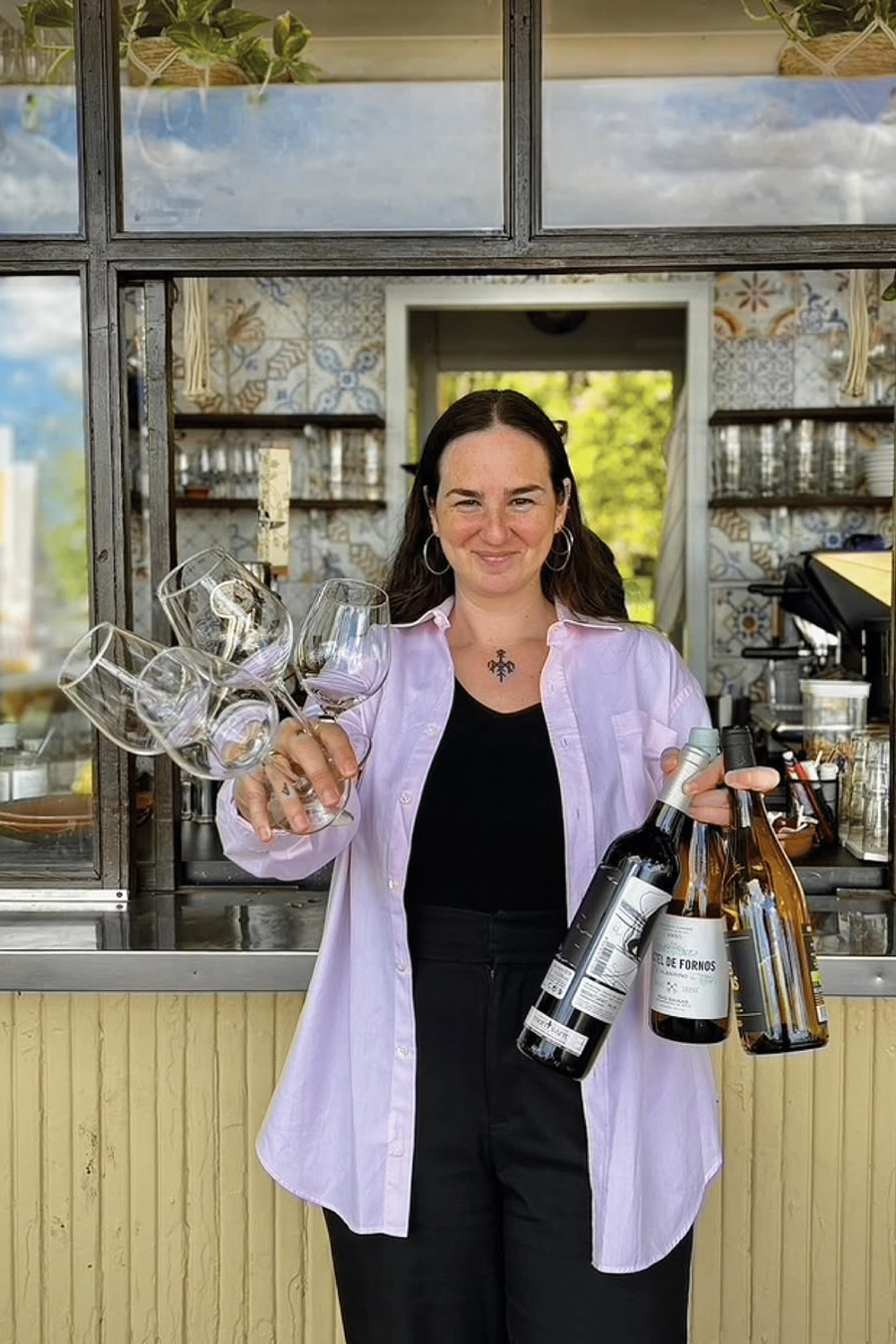
Liisanpuistikko gives Helsinki’s kiosk culture a Spanish accent at Vinolippa, a family-run wine and tapas bar in Kruununhaka. Lotta Nikkinen runs it with her father Aki Nikkinen, with Danielle Kibble and her brother bringing the Spanish connection into the food and drink. Order the Ibérico platter with cheeses, jams, olives and picos, then ask what Spanish wine is open by the glass. The pleasure is the format: protected-looking Helsinki kiosk, old stone buildings nearby, glasses in hand and a park that shifts from daytime pause to evening wine stop without becoming a full restaurant.

Vinolippa
Liisanpuistikko
Helsinki
Finland

Affiliate link (what is it?)

Photography courtesy of Vinolippa
Vinolippa

Liisanpuistikko gives Helsinki’s kiosk culture a Spanish accent at Vinolippa, a family-run wine and tapas bar in Kruununhaka. Lotta Nikkinen runs it with her father Aki Nikkinen, with Danielle Kibble and her brother bringing the Spanish connection into the food and drink. Order the Ibérico platter with cheeses, jams, olives and picos, then ask what Spanish wine is open by the glass. The pleasure is the format: protected-looking Helsinki kiosk, old stone buildings nearby, glasses in hand and a park that shifts from daytime pause to evening wine stop without becoming a full restaurant.

00

Il Becco Lippakioski

Helsinki, Finland

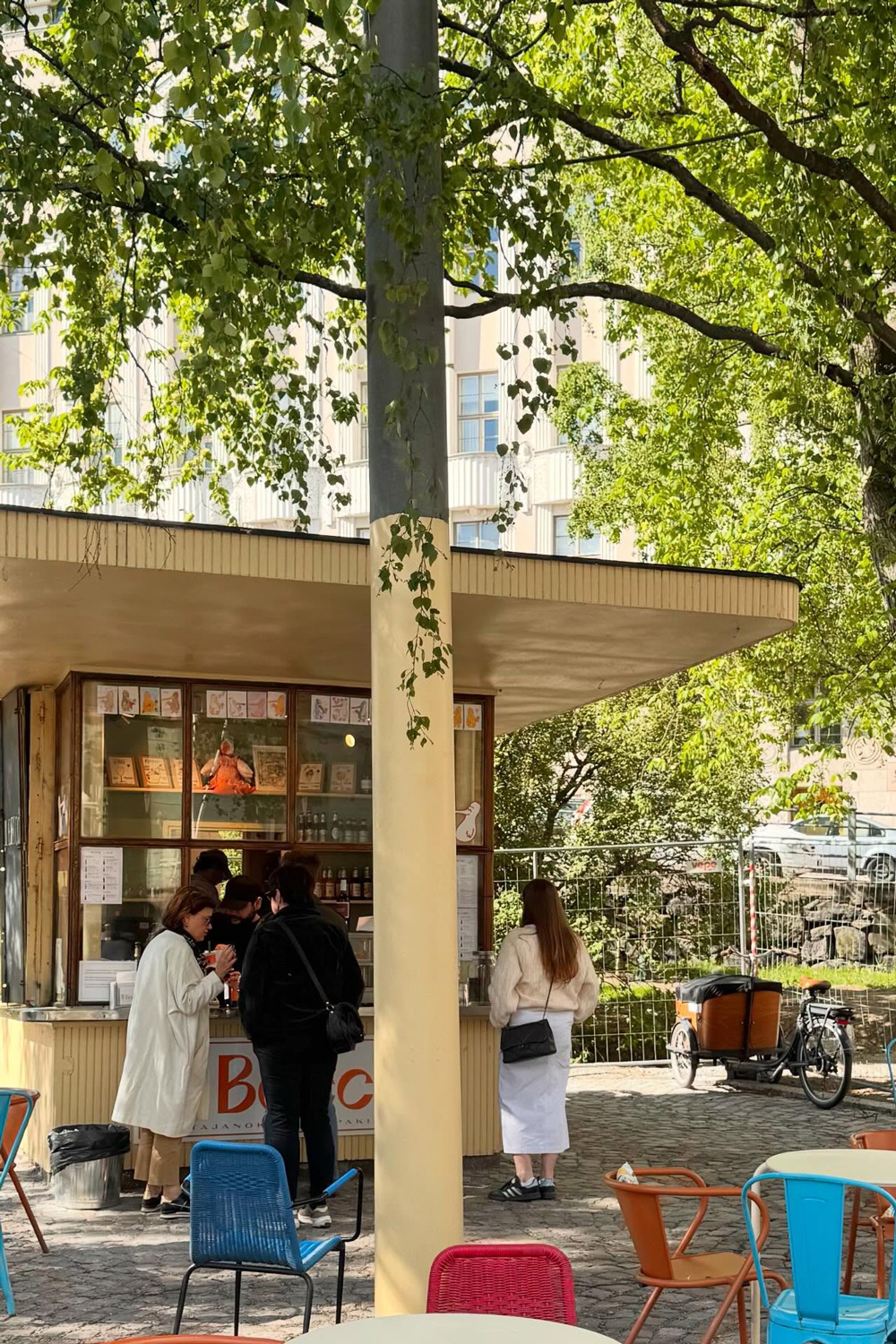
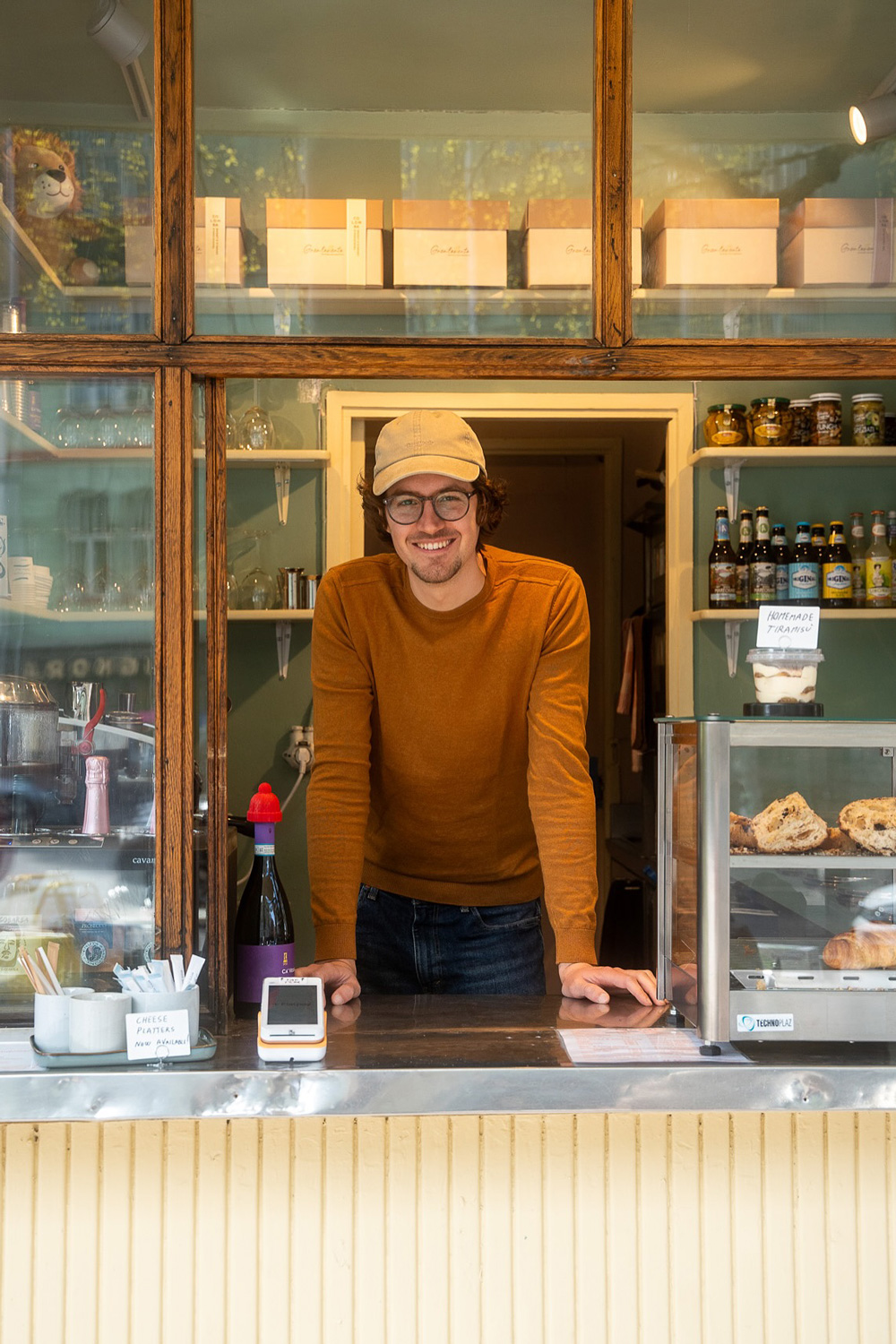
Katajanokka’s Tove Jansson Park gets a compact Italian food stop at Il Becco, a lippakioski with more substance than its size suggests. The location has its own bar history: this was the first Helsinki lippakioski granted alcohol rights almost two decades ago, then tied to restaurant Bellevue. Il Becco now serves coffee, gelato, homemade tiramisu, croissants, lasagne, pinsa, Italian wine and other drinks. Start with pinsa or lasagne if you want proper food, then go back for tiramisu or gelato.

Il Becco Lippakioski
Tove Janssonin puisto
Helsinki
Finland

Affiliate link (what is it?)

Photography courtesy of Il Becco Lippakioski
Il Becco Lippakioski

Katajanokka’s Tove Jansson Park gets a compact Italian food stop at Il Becco, a lippakioski with more substance than its size suggests. The location has its own bar history: this was the first Helsinki lippakioski granted alcohol rights almost two decades ago, then tied to restaurant Bellevue. Il Becco now serves coffee, gelato, homemade tiramisu, croissants, lasagne, pinsa, Italian wine and other drinks. Start with pinsa or lasagne if you want proper food, then go back for tiramisu or gelato.

00

Puukioski Munkkiniemi

Helsinki, Finland

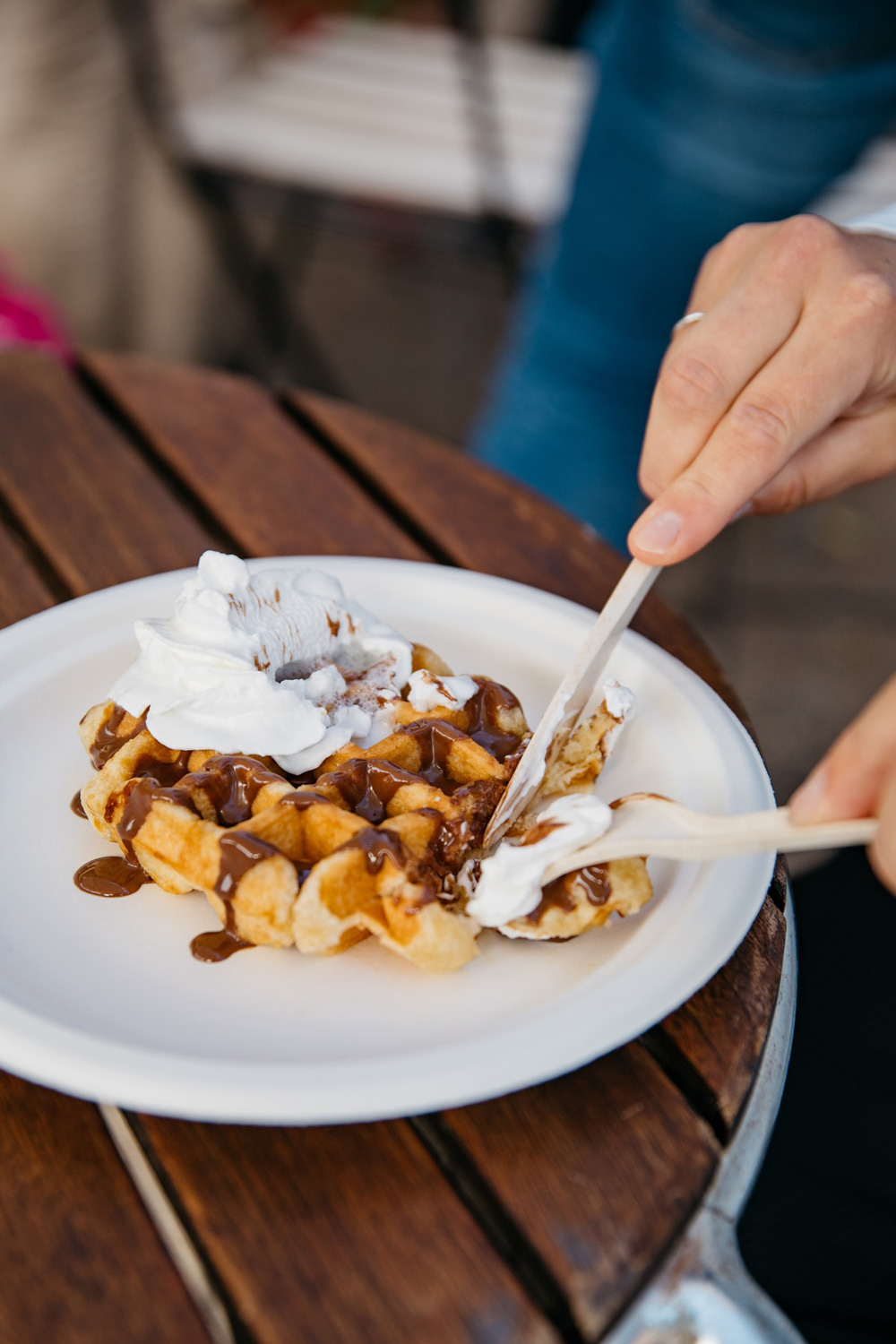
Puukioski Munkkiniemi is the heritage anchor, and it earns that role without shouting. Designed by architect Eero Urpola in 1937 and built in 1939 for the cancelled 1940 Helsinki Olympics, the rectangular functionalist kiosk is widely described as the city’s oldest canopy kiosk. It moved slightly from its original position and was later restored into a summer café, with original shelves, counter, windows, floor and round interior lights preserved. Order a Belgian waffle, coffee or ice cream, then look at the building. This is where Helsinki’s kiosk culture makes most sense: tram stop, beach nearby and architecture doing its work.

Puukioski Munkkiniemi
Laajalahden aukio
Helsinki
Finland

Affiliate link (what is it?)

Photography courtesy of Puukioski Munkkiniemi
Puukioski Munkkiniemi

Puukioski Munkkiniemi is the heritage anchor, and it earns that role without shouting. Designed by architect Eero Urpola in 1937 and built in 1939 for the cancelled 1940 Helsinki Olympics, the rectangular functionalist kiosk is widely described as the city’s oldest canopy kiosk. It moved slightly from its original position and was later restored into a summer café, with original shelves, counter, windows, floor and round interior lights preserved. Order a Belgian waffle, coffee or ice cream, then look at the building. This is where Helsinki’s kiosk culture makes most sense: tram stop, beach nearby and architecture doing its work.

Share this

You might also like
Book your stay in Helsinki

Stay in the know

Sign up for the latest hotspot news from the Nordics.

Currently most read

The 2026 hot list: the 9 best new retail spots in Denmark, Finland, Iceland, Norway and Sweden

Before you rent: the must-read car rental guide for the Nordics

Before you book: the must-read guide to Norwegian fjord cruises

By air, land or water? Pick the best travel route from A to B

The 2026 hot list: the 9 best new hotels in Denmark, Finland, Iceland, Norway and Sweden

The 2026 hot list: the 38 best new restaurants in Denmark, Finland, Iceland, Norway and Sweden

Insider guides

48 hours in Stockholm, Sweden

48 hours in Båstad, Sweden

48 hours in Malmö, Sweden

48 hours in Bornholm, Denmark

48 hours in Copenhagen, Denmark

Lake Jerisjärvi Lapland Finland travel guide
Villa Tuulia Rauhala Lapland Finland rental cabin review

26

things every Scandophile must experience once