Discover what’s new before everyone else:

Get our free on-the-go Nordic hotspot map!

Insider guides

How to see the Norwegian fjords – by cruise, ferry, train or road

Norway’s fjords are not a single experience, they’re a set of route choices with consequences. This guide helps you choose between cruise, ferry, train and road by spelling out what each option really gives you: fjord hours, port time, flexibility, comfort, crowd levels and how much of the trip is scenery versus transit.

Table of Contents

Photography courtesy of Hurtigruten and Unsplash

Guide to Norwegian fjord cruises

What is the best way to see the Norwegian fjords?

There is no grand, universal answer here. The best way to see the Norwegian fjords depends on how much time you have, how much planning you can tolerate and whether you want Norway served to you neatly or with a bit of friction still intact.

For us, the strongest fjord trips are rarely the ones with the longest checklist. They have better timing, fewer rushed stops and enough room for the weather, ferries, roads and small places to shape the trip.

Best choice for a first trip

Train and boat from Bergen or Oslo gives you the drama without making the whole journey feel like homework. It is structured, scenic and relatively easy to pull off, which is helpful when Norway’s distances start behaving like a personality test.

Best choice for slow travel

Hurtigruten or Havila makes sense when the coast itself is the point. The pleasure is in the movement: sea, ports, cabins, food, weather, deck time and the strange little thrill of waking up somewhere further north than you were when you fell asleep.

Best choice for independence

A road trip with local ferries gives you the most control over the day. You can follow the light, stop for the view, stay somewhere small and change the route when Norway decides to look more interesting in another direction.

Best choice for limited time

One strong fjord day trip from Bergen, Stavanger or Ålesund is the sensible move. A short stay does not need to become a heroic itinerary. Pick one route, do it properly and leave the rest for another trip.

Best choice for a dream trip

We would choose road, ferry, small hotels and enough space in the itinerary for things to shift. That is where the fjords stop behaving like a view and start feeling like a place.

We use Omio to check the boring but crucial part: whether the route actually works. It is useful for comparing train, bus and ferry connections between Oslo, Bergen, Flåm, Stavanger and Ålesund before you commit to a fjord itinerary that looks elegant on paper and slightly unhinged in practice.

Norways best fjords

Why does the way you travel through the fjords matter?

In Norway, the transport is not a neutral choice. It decides how much of the country you actually experience. A route by sea, rail, ferry or road changes the pace of the day, the places you reach and how much effort sits between you and the view.

Coastal voyage

A coastal voyage works when you want the coast as a continuous journey. Cruise providers such as Hurtigruten and Havila are not just ways to “see a fjord”; they move between towns, islands and working ports, with meals, cabins and deck time built into the rhythm. That makes sense if you want Norway to unfold slowly, without planning every transfer yourself.

Local ferry

A local ferry gives a much shorter but often sharper encounter. It is part of how western Norway functions, not a scenic add-on. Cars roll on, locals cross, goods move and the view is just there. For us, that can feel more interesting than a polished sightseeing loop because the landscape is doing its everyday work.

Train

A train is the easiest way to get serious scenery without driving. It suits a first trip because it removes the stress of tunnels, parking, road conditions and ferry timings. The trade-off is control. You get the route you are given, which can be excellent, but it leaves less room for detours.

Road trip

A road trip gives the best access to small hotels, viewpoints, villages and ferries, but it asks the most from the traveller. Distances take time. Weather changes the plan. A crossing can eat into the afternoon. That is not a problem if the itinerary has space. It becomes a problem when the day has been packed like a city break.

So the question is not just how to see the fjords. It is how you want the trip to behave. Do you want structure, ease, independence or a bit of mess around the edges? The fjords will look impressive either way. The better trip is the one where the route gives them time to become more than a view.

Is a cruise the best way to see the Norwegian fjords?

A cruise can be one of the best ways to experience Norway, but the word is doing far too much work here. A short fjord cruise from Flåm, Bergen, Stavanger or Ålesund is one thing. A large-ship itinerary with a string of port calls is another. Hurtigruten and Havila, which follow the coastal route between Bergen and Kirkenes, belong to a third category: less “fjord cruise” than Norway by sea.

Short fjord cruises

A short fjord cruise gives you the direct hit: cliffs, water, waterfalls and the sort of scenery that makes everyone suddenly very interested in standing outside. It works when time is limited and you want one clear experience without building a full itinerary around it.

Large ship itineraries

A larger cruise can make Norway easy, but ease is not the same as depth. You may get scale, comfort and several ports in one trip, but the rhythm can feel dictated by the ship rather than the place.

For some travellers, that is exactly the point. For us, it becomes interesting only when the itinerary gives enough time ashore and does not reduce the coast to a sequence of scenic stops.

Coastal route voyages

Hurtigruten and Havila are different again. Their coastal route works best when the journey itself matters: the ports, the meals, the deck time, the weather, the cabin and the slow movement north or south. This is the version to consider when you want to travel through Norway rather than simply arrive at a famous view.

Before choosing between them, read our guide to Hurtigruten vs Havila.

For the practical questions around cabins, season, port times and expectations, start with our must-read guide before you book a Norwegian fjord cruise.

Our cruise verdict

Our take is simple: a cruise is worth considering when the sea is part of why you are going. It is less convincing when it becomes a shortcut for doing Norway without really dealing with Norway. Choose the route carefully, look at how much time you get in each place and be honest about whether you want a fjord moment, a coastal journey or a holiday where the ship does most of the thinking.

Guide Norwegian Fjord cruises Norway

When does a short fjord cruise make sense?

A short fjord cruise makes sense when time is limited and you want one clear encounter with the landscape. It is the right choice if you are based in Bergen, Flåm, Stavanger or Ålesund and do not want to turn the trip into a full road itinerary. You get the water, the cliffs, the waterfalls and the slightly comic sight of everyone on board pretending they are not taking the same photo.

The trick is to treat it as one strong part of the day, not as the whole Norwegian fjord experience. A boat trip from Flåm or Gudvangen gives you access to some of the most dramatic scenery around Nærøyfjord. Stavanger works well for Lysefjord. Ålesund is the natural gateway for Geirangerfjord and the Sunnmøre coast. Bergen gives you more options, but also more choices to sort through.

For us, the short fjord cruise works best when it is paired with something that gives the day more shape. Add a train journey, stay overnight nearby, choose a proper lunch spot, walk before or after the boat, or build it into a slower route rather than dropping in and out like you are collecting scenery. The view will do its part. The rest of the day still needs a point.

Are local ferries the most underrated way to experience the fjords?

Yes, especially if you are travelling independently. Local ferries are part of how western Norway actually works. They move cars, commuters, delivery vans, cyclists, school groups and travellers who have suddenly realised that the map forgot to mention all the water. That is exactly their appeal. They are not dressed up as an experience. They just get on with it.

A local ferry gives you fjord scenery without the performance around it. You drive on, park where you are told, climb out if the weather is behaving and stand on deck while the landscape does its thing. There is no big reveal, no soft-focus soundtrack, no one telling you where to look. The cliffs, villages, roads and water simply line up and make the whole route feel more legible.

Road trips need ferries

On a road trip through western Norway, ferries are not a charming extra. They are often the thing that makes the day work. They break up the driving, slow down the pace and force you to understand the geography instead of charging through it in a rental car with too much confidence. A ten-minute crossing can explain more about the region than another viewpoint with a full car park.

Insider Guides car rental guide for the Nordics

Can I see the Norwegian fjords without a car?

Yes, you can see the Norwegian fjords without a car, but it helps to understand the pattern. The train does not take you onto the fjord. It gets you across the country, through the mountains or close to a fjord gateway.

From there, you change to a boat, ferry, fjord cruise or sometimes a bus. It is less spontaneous than driving, but it also removes the joyless bits: parking, tunnels, road conditions, ferry timings and the quiet panic of realising Norway is bigger than it looked on your laptop.

From Bergen

Bergen is the easiest base for a car-free fjord trip because you can keep it simple or make it more ambitious. The simple version is a half-day boat trip from the city into nearby fjord scenery.

The bigger version is a rail-and-boat route that links Bergen Railway, Flåm Railway and a fjord cruise around Nærøyfjord, often with a bus transfer built into the day. That route can also work from Oslo, Flåm, Voss or Geilo, which is why it remains the obvious choice for travellers who want the scenery without hiring a car.

From Oslo

Oslo is not a fjord base. It is a strong starting point if you want the journey across Norway to be part of the trip.

The Bergen Railway takes you over the mountain plateau towards western Norway, then the Flåm Railway drops you down towards Flåm, where boats can take over on the fjord. This is the car-free route for people who like the idea of earning the view from a train seat, rather than appearing at the water with a rental car and too much confidence.

From Flåm

Flåm is the easy-mode version, which is useful and slightly dangerous. Useful because you are already where the rail, boat and bus pieces meet. Dangerous because it can make the fjords feel like a product if you do not shape the day properly.

A typical route here pairs the boat between Flåm and Gudvangen with a return bus, so you get Nærøyfjord from the water without needing a car.

From Stavanger

Stavanger works differently. This is not really a train-and-boat fjord day. It is a city-based boat trip into Lysefjord, with Preikestolen seen from the water rather than from the hiking trail. It suits travellers who want one sharp fjord experience without turning the whole trip into logistics.

From Ålesund

Ålesund is the base to think about if Geirangerfjord is the target. A car-free day is possible by boat from Ålesund to Geiranger and back, but this is not a quick little spin between breakfast and lunch. Treat it as a full-day route, often seasonal, and build the day around the fjord rather than squeezing it between other plans.

The short version

Car-free fjord travel works best when you accept the structure instead of fighting it. Bergen gives the most flexible starting point. Oslo gives the strongest rail journey. Flåm gives the most direct fjord access. Stavanger gives a clean Lysefjord hit. Ålesund gives you Geirangerfjord without a car, but it asks for a full day.

The reward is obvious: you get serious scenery without driving. The price is that timetables run the trip, not your mood.

For the car-free version, we use Omio to compare how the train, bus and ferry legs connect before building the route. It is especially useful when deciding whether to start in Oslo, Bergen, Flåm, Stavanger or Ålesund.

Insider Guides car rental guide for the Nordics

Is driving the best way to experience the Norwegian fjords?

Driving can be the most rewarding way to travel through the Norwegian fjords, provided the itinerary has room to breathe.

A car gets you to small hotels, roadside viewpoints, ferry quays, villages and stretches of road where the landscape changes before you have worked out where to stop. It also comes with tunnels, narrow roads, slow distances, parking, weather shifts and ferry schedules that do not care about your dinner reservation.

The route matters

The point of driving in western Norway is the route itself. You might start the day above a fjord, drop into a tunnel, come out beside dark water, wait at a ferry quay, cross with delivery vans and camper vans, then climb back into the mountains before lunch. That sequence is the trip. The famous fjord name may be the reason you started planning, but the spaces around it often do the heavier lifting.

A good fjord road trip should include ferries by design, not by accident. They slow the day down in a useful way and put you straight on the water without the polish of a sightseeing boat. You park, get out, stand on deck if the weather allows and watch the road continue on the other side. It is simple, practical and usually better than another rushed viewpoint.

Norway is slow

The main mistake is treating Norwegian distances like normal distances. They are not. Roads bend around water, mountains interrupt the map, ferries set the rhythm and weather can turn a neat plan into comedy.

Driving works when each day has a clear route, a few good stops and enough spare time for the country to be itself.

For us, road and ferry is the fjord trip to book when the season, timing and confidence are right. It gives you control over where to stop, where to stay and how the day unfolds. Choose it for late spring, summer or early autumn, when roads are easier and long days give you more margin. Skip it when the schedule is tight, the season is tricky or the driver thinks “winging it” counts as planning.

Norways best fjords

Which fjords work best for each kind of trip?

Start with the fjord, then choose the route. That sounds obvious, but plenty of Norway itineraries seem to begin with a boat ticket and a vague hope that the scenery will sort itself out.

Each fjord works differently. Some suit rail and boat connections. Some need a car. Some are best treated as a full-day commitment.

Fjord Best way to see it Best gateway
Sognefjord
Train, ferry or road all work because the fjord connects well with classic western Norway routes.
Bergen or Flåm
Nærøyfjord
Boat and rail connections make the most sense here, especially if you want a strong car-free fjord experience.
Flåm or Gudvangen
Geirangerfjord
Road, boat or cruise can work, but this one needs proper timing because it attracts serious traffic.
Ålesund
Hardangerfjord
Road and ferry give the route more depth, with orchards, villages and softer scenery along the way.
Bergen
Lysefjord
Boat, hike or road all work, depending on whether you want the fjord from water level or from above.
Stavanger
Nordfjord
Road and ferry suit this area well because the landscape is spread out and rewards a slower route.
Ålesund or Loen

For a deeper fjord-by-fjord breakdown, read our guide to Norway’s fjords worth planning a trip around.

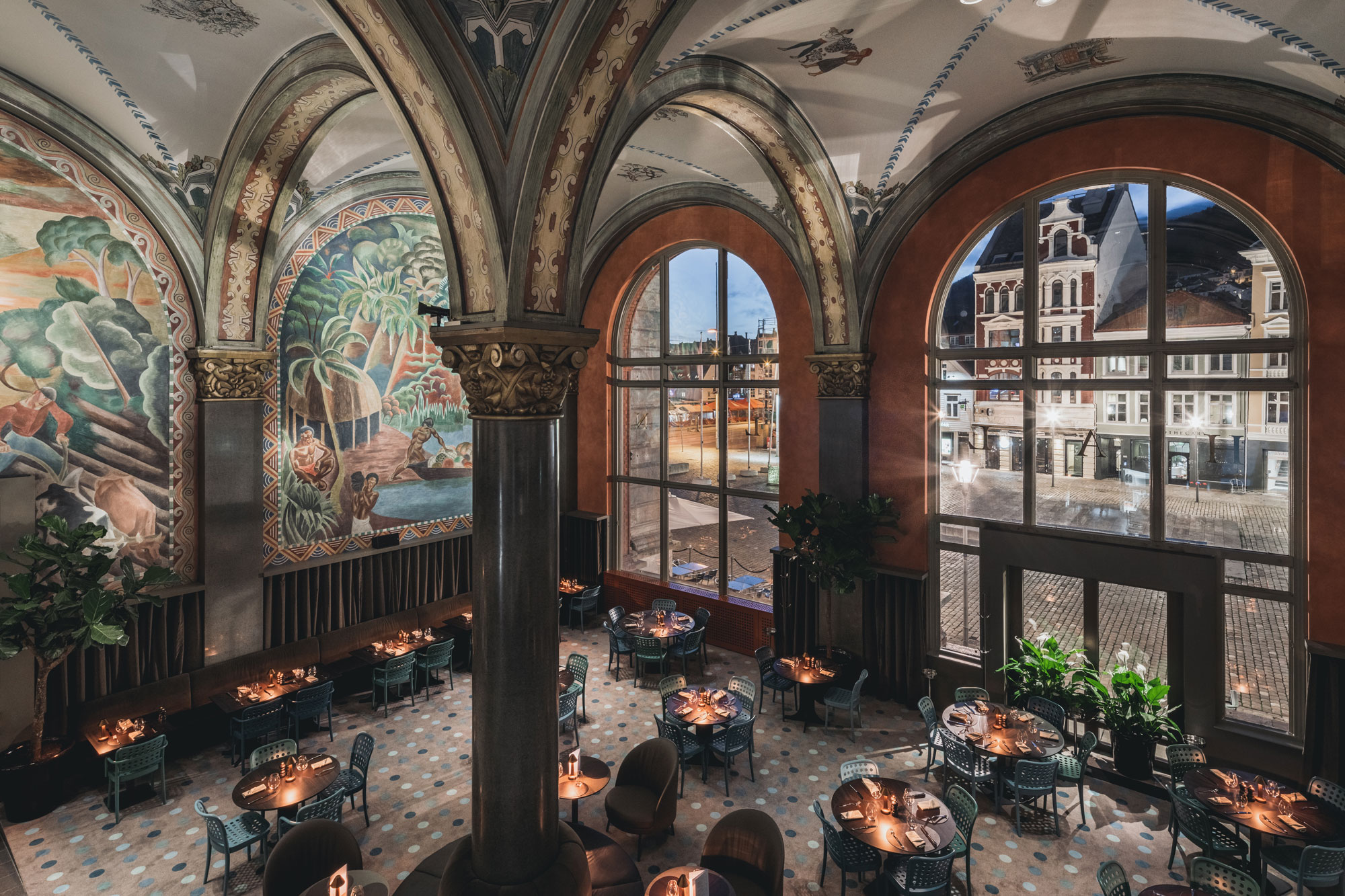
Frescohallen Bergen Vestland Norway restaurant

Where should I stay to see the Norwegian fjords?

Where you stay decides whether the fjords feel like a proper trip or a transfer problem with better lighting. The base matters. Some places give you easy boat access. Some make rail travel simple. Some are useful only if you know exactly which fjord you are chasing.

Choose the route first, then the hotel. Doing it the other way round is how people end up spending half the day in transit.

Bergen

Bergen is the best all-round fjord gateway. It has the transport links, boat trips, rail connections and city life to make a fjord trip feel like more than a logistics puzzle. It works for Sognefjord, Nærøyfjord and Hardangerfjord, with enough restaurants, museums and rain-proof distractions for the days when the weather decides to make itself the main character.

Start with our guide to where to stay in Bergen if you want fjord access without sacrificing a proper city base.

Ålesund

Ålesund is the base for Geirangerfjord, Sunnmøre and the sharper end of coastal Norway. Come here for Art Nouveau architecture, islands, mountain roads and fjord drama that does not need much editing. It is less obvious than Bergen, which is part of the appeal. The landscape feels more exposed, the weather has more attitude and the route to Geirangerfjord gives the trip real shape.

Our Ålesund hotel guide is the place to start if Geirangerfjord is high on the list.

Stavanger

Stavanger makes sense for Lysefjord and Preikestolen. This is the base for travellers who want one strong fjord hit without pretending they are crossing half of Norway by heroic expedition. Take a boat into Lysefjord, hike to Preikestolen or use the city as a tidy base with enough food, old wooden houses and harbour life to carry the rest of the stay.

Flåm

Flåm is convenient. That is both the selling point and the warning label. It puts you close to the Flåm Railway, Nærøyfjord boat routes and the classic rail-and-fjord itinerary pieces, which makes it one of the easiest places to experience the fjords without a car. It can also feel like Norway with the corners sanded down if you do not plan well. Stay here for access, not atmosphere, then build the day with some care.

Oslo

Oslo is a starting point, not a fjord base. It works when you want the Bergen Railway and the journey across the mountains to be part of the experience. It does not work if you expect instant fjord drama after breakfast. Start here for architecture, food, museums and a proper city opening, then move west with purpose.

Our guide to where to stay in Oslo is useful if the fjords are part of a wider Norway route.

Tromsø

Tromsø belongs to another Norway. It is for Arctic light, winter trips, northern coastal routes and the kind of scenery that makes western fjord travel feel almost polite. It is not the base for Geirangerfjord, Hardangerfjord or the classic fjord circuit, so do not force it into that role. Pair it with Hurtigruten, Havila or a northern itinerary where the coast, snow and darkness are part of the point.

Guide Norwegian Fjord cruises Norway

How many days do you need for the Norwegian fjords?

The honest answer is that you need fewer stops and more time than you think. Norway is not built for the traveller who wants to squeeze in three fjords, two viewpoints and a heroic dinner reservation before sunset. The map looks manageable until the road bends around water, the ferry leaves just before you arrive and the weather decides it has notes.

One day

With one day, choose one fjord experience and do it properly. Take a boat trip from Bergen, Stavanger, Flåm or Ålesund, then build the rest of the day around that choice. Do not pretend this is a fjord itinerary. It is a strong hit of scenery, which is perfectly fine when you stop asking it to be more.

Three days

With three days, choose a good base and one strong route. Bergen, Stavanger, Ålesund or Flåm can all work, depending on the fjord you want to reach. The mistake is changing base too often. That turns the trip into luggage management with mountains in the background, which is nobody’s best life.

Five to seven days

With five to seven days, choose one main format and commit to it. Do a road-and-ferry route through western Norway, build a rail-and-boat itinerary from Oslo or Bergen, or take a shorter coastal voyage if the sea is the point. Mixing everything sounds ambitious. In practice, it often means you spend the trip chasing connections while Norway performs beautifully somewhere just out of reach.

Before getting too excited about a five-city masterpiece, we use Omio to check the actual train, bus and ferry times, because Norway has a way of making ambitious itineraries look silly once transfer times enter the room.

Ten to twelve days

With ten to twelve days, the fjords start to open up properly. A full coastal route, a serious western Norway road trip or a slower journey combining Bergen, fjord country and one or two smaller bases begins to make sense. This is where you can add texture: better hotels, less obvious stops, ferry crossings, small towns and the odd day when the plan is allowed to loosen.

More days only help if they create better rhythm, not more stops. The fjords reward space in the itinerary: time for weather, crossings, late starts, long lunches, wrong turns and the kind of view that deserves more than seven minutes and a phone battery panic.

Norways best fjords

When is the best time to see the Norwegian fjords?

The best time to see the Norwegian fjords depends on what kind of Norway you want. Bright, easy and busy is one thing. Moody, quieter and weather-led is another. The fjords do not have one perfect season. They have different personalities, which is a more useful way to think about it.

Late spring

Late spring brings snowmelt, full waterfalls and a feeling that the whole landscape has been switched back on. Roads and routes may still need checking, especially higher up, but this can be one of the most rewarding times if you want energy without peak-summer pressure.

Summer

Summer gives long days, easier road travel and the broadest choice of routes, ferries, hotels and boat trips. It is also when the most obvious places get busy. Use summer well and it can be brilliant. Treat it like a free-for-all and you may spend too much time with tour buses, queues and other people’s selfie elbows.

Early autumn

Early autumn is the season for colour, softer light and fewer people. Roads are still workable in many areas, the air feels sharper and the fjords start to lose the polished summer mood. This is a strong choice if you want atmosphere without making the trip unnecessarily difficult.

Winter

Winter is excellent for coastal voyages, northern Norway and travellers who want darkness, snow and harder edges. It is less straightforward for a self-drive fjord trip, especially if you are not used to winter roads. The scenery can be spectacular, but this is the season where Norway stops pretending to be convenient.

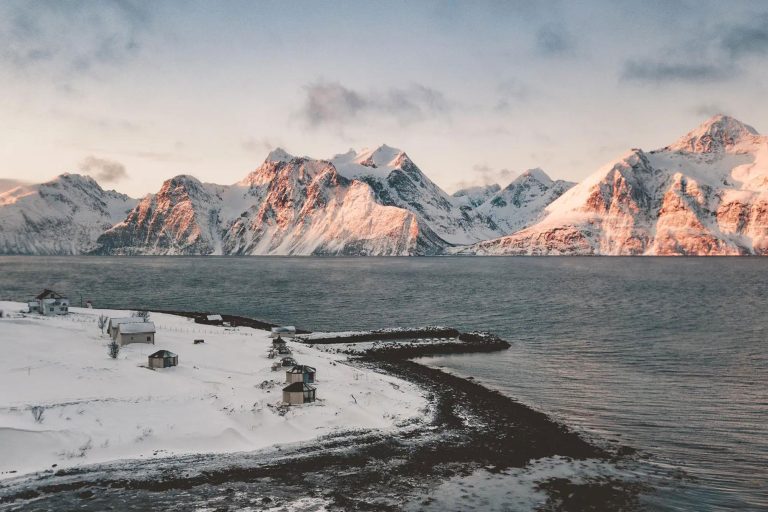
Lofoten Nordland Norway

Which fjord trip would we choose?

For a first fjord trip

We would take the train and boat route from Bergen or Oslo and stop pretending that hiring a car automatically makes a trip more interesting. It does not. If you are new to Norway, there is plenty to absorb before adding tunnels, ferry schedules, mountain roads and parking to the plot. A rail-and-boat route gives you the mountains, the water and the scale without turning every decision into a test of character.

For our own trip

We would drive through western Norway, use local ferries, stay in small hotels and keep the route loose enough to change our minds. That is the good version: stopping because the light changed, waiting at a ferry quay, choosing a road because it looks promising and letting one excellent hotel or meal shape the day. This is where the fjords start to feel specific, not just spectacular.

For a sea-led trip

We would look at Hurtigruten or Havila. That choice makes sense when you want the coast to build slowly: ports, cabins, meals, deck time, weather and the odd pleasure of waking up somewhere further north than expected. It is not the move for one clean fjord hit. It is the move when travelling by sea is the whole reason for going.

Our final take

Take train and boat for a sharp first encounter, drive and use ferries for the richest version and choose a coastal voyage when the sea is the point. The only version we would avoid is the frantic hybrid: one train, two boats, three hotels, a rental car and a fantasy that Norway will politely fit into the schedule.

Share this

You might also like
Book your stay in Norway

Stay in the know

Sign up for the latest hotspot news from the Nordics.

Currently most read

The 2026 hot list: the 7 best new retail spots in Denmark, Finland, Iceland, Norway and Sweden

The 2026 hot list: the 31 best new restaurants in Denmark, Finland, Iceland, Norway and Sweden

By air, land or water? Pick the best travel route from A to B

Before you rent: the must-read car rental guide for the Nordics

Before you book: the must-read guide to Norwegian fjord cruises

The 2026 hot list: the 8 best new hotels in Denmark, Finland, Iceland, Norway and Sweden

Insider guides

48 hours in Copenhagen, Denmark

48 hours in Båstad, Sweden

48 hours in Bornholm, Denmark

48 hours in Malmö, Sweden

48 hours in Stockholm, Sweden

26

things every Scandophile must experience once