Siri Løining has a habit of finding buildings at the exact point where most people would call them difficult. A former power station. The former headquarters of the Norwegian America Line. Oslo’s century-old main library. Where others see logistical headaches, she sees the bones of a place people might actually want to belong to.
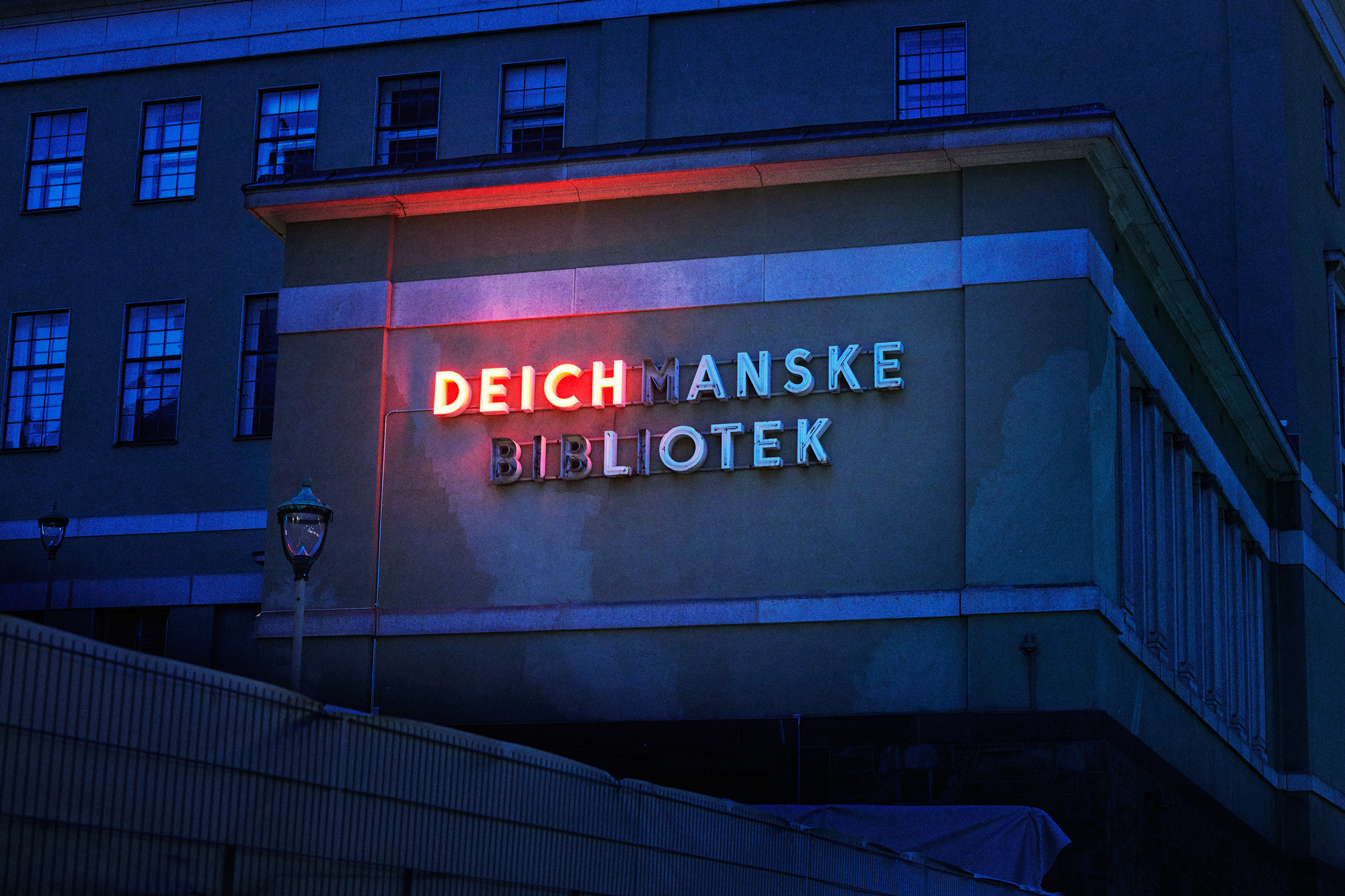
For the past three years, Løining has been leading Deich, the transformation of Oslo’s former main library into a cultural house for photography, Fotografiska Oslo, the Møller Collection, restaurants, bars and performance spaces. It is the sort of project that explains her: a building full of public memory, given a new life without having its old one erased.
Over the past two decades, Løining has helped shape The Thief, Amerikalinjen, Sommerro and Villa Inkognito – projects that have pushed Oslo’s hotel scene out of safe, beige territory. Her work starts with identity: what a building has been and what should be carried forward.
Løining calls herself a custodian of heritage rather than a concept developer. It might sounds modest, but it also explains why her favourite Nordic places tend to have the same charge: history in the walls, people in the room and a reason to stay a little longer.
“[Stockholm is] the Nordic city that wears its confidence most easily.”
In the Nordics, my favourite country is …
… Norway – and not out of reflex. It’s a contrast I haven’t found anywhere else: a capital reinventing itself by the month, with deep forest and open sea still on its doorstep. I’ve spent most of my career bringing the soul back into old Norwegian buildings, and the country rewards the same instinct – the best of it is the part that’s been there all along. And there’s still room to build something that matters.
For a dose of urban pulse, I head to …
… Stockholm. It’s the Nordic city that wears its confidence most easily. I check into Ett Hem, one of my favourite hotels, then wander to Gamla Stan for the cobblestones and candy-coloured façades before crossing to Södermalm, about as hip as the city gets. Svenskt Tenn on Strandvägen, founded in 1924 and still in its original space, is a non-negotiable pilgrimage for design lovers, and I always lose hours in Fotografiska on the waterfront. Lunch at Riche, afternoon tea at the Grand Hôtel, dinner at Strandvägen 1.
Photography courtesy of Deich
“You take a public ferry from Vippetangen in the centre of Oslo, and within fifteen minutes you’re somewhere completely different … ”
For the perfect close-to-nature experience, I visit …
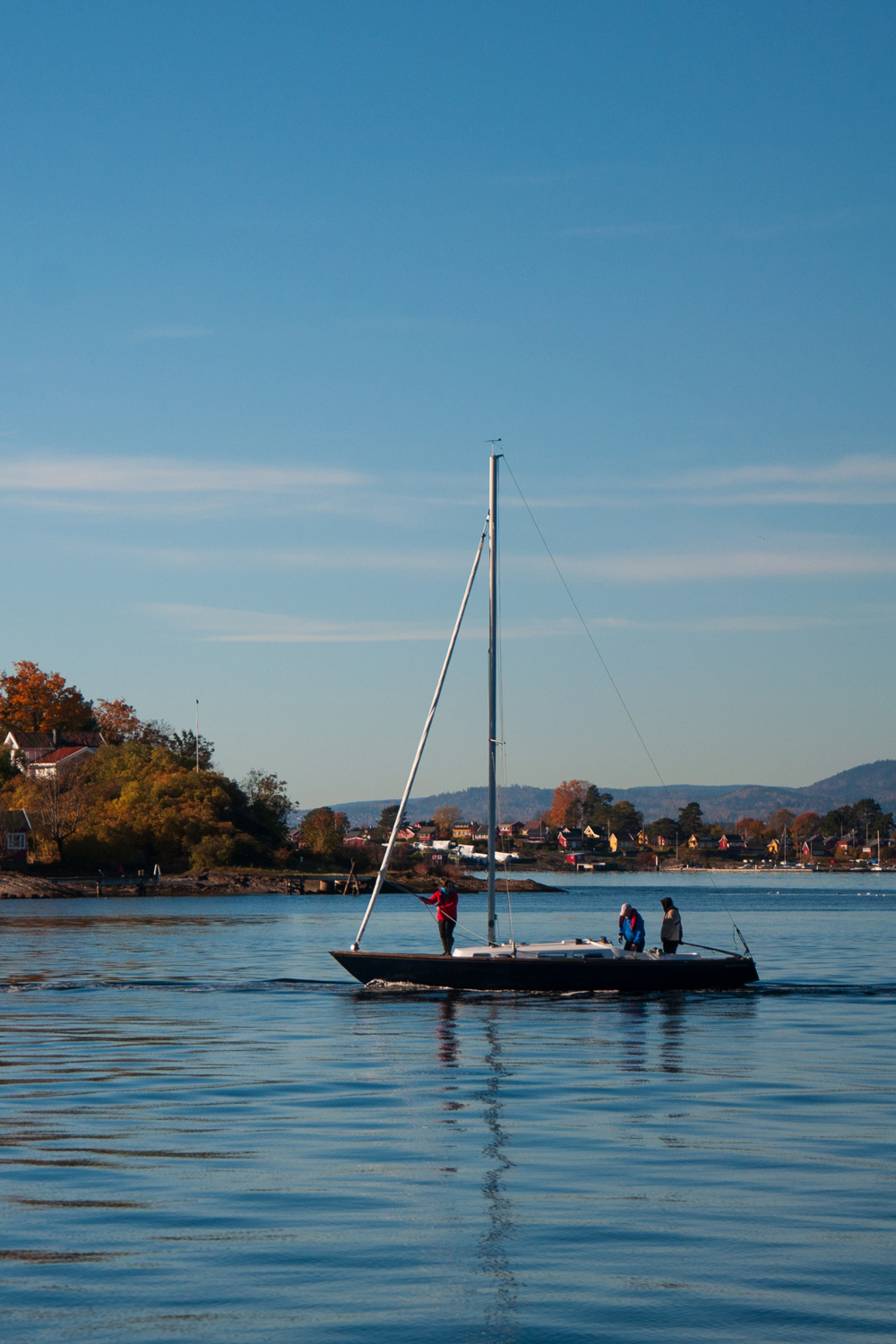
… the islands in the inner Oslofjord. You take a public ferry from Vippetangen in the centre of Oslo, and within fifteen minutes you’re somewhere completely different: Hovedøya, where you swim off the rocks with twelfth-century monastery ruins behind you; Langøyene for the best beach; Gressholmen and Lindøya for the little wooden cabins and quiet coves. I love that the wildness here is municipal – you don’t have to earn it with a long drive, it’s just part of the city.
For a memorable getaway, I check myself into …
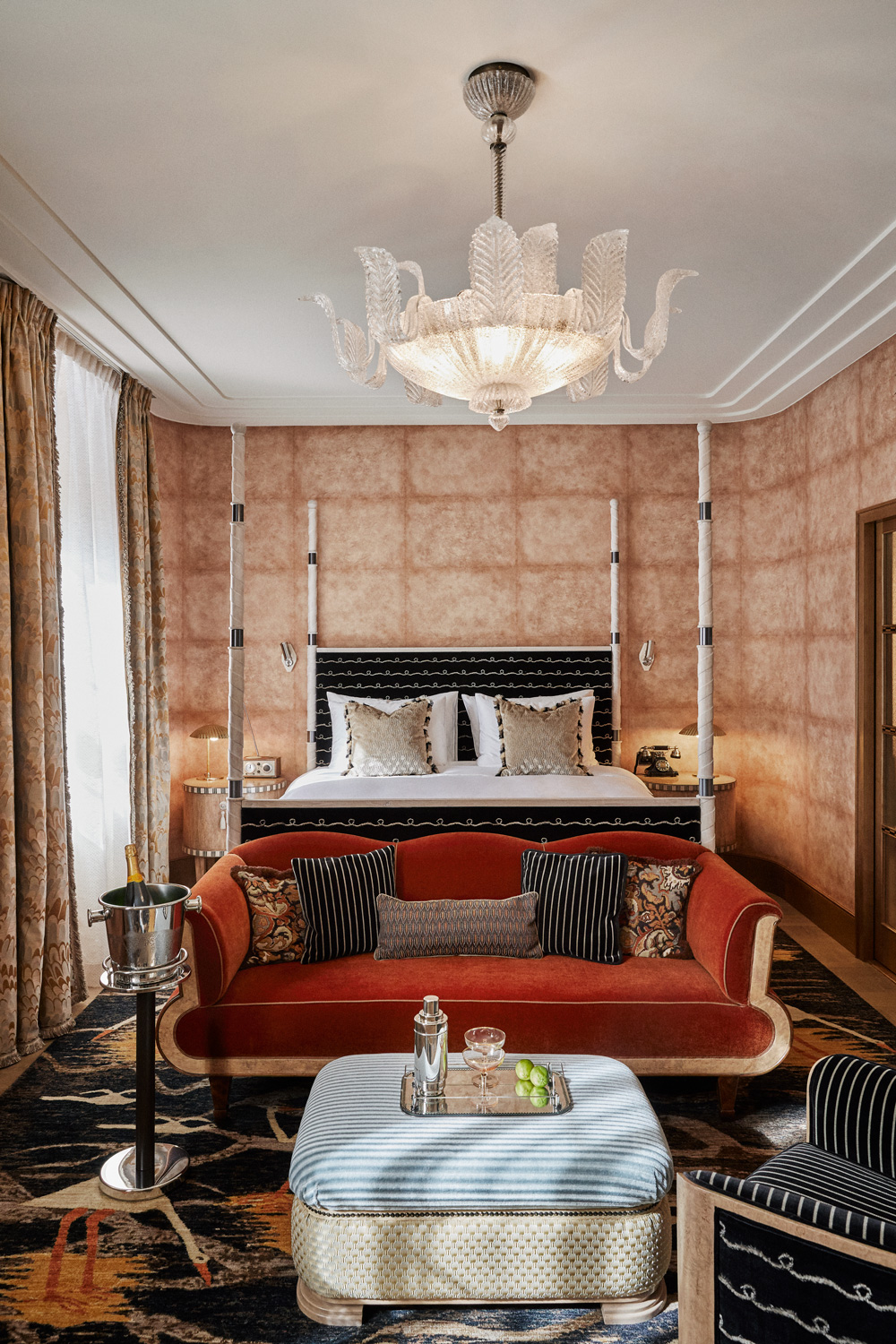
… Sommerro in Oslo, and I’ll admit I’m not impartial, since I spent five years developing it. But that’s exactly why I’d send you there: it’s Norway’s first neighbourhood hotel, a 1930s Art Deco landmark brought back with its bathhouse and the Per Krohg story intact rather than scrubbed away. Book a jazz lunch at Ekspedisjonshallen.
Photography courtesy of Lars Petter Pettersen, Sommerro and Paintedwithlight
“[Grotto is] the kind of place you settle into for the whole evening.”
For a great meal, I go to …
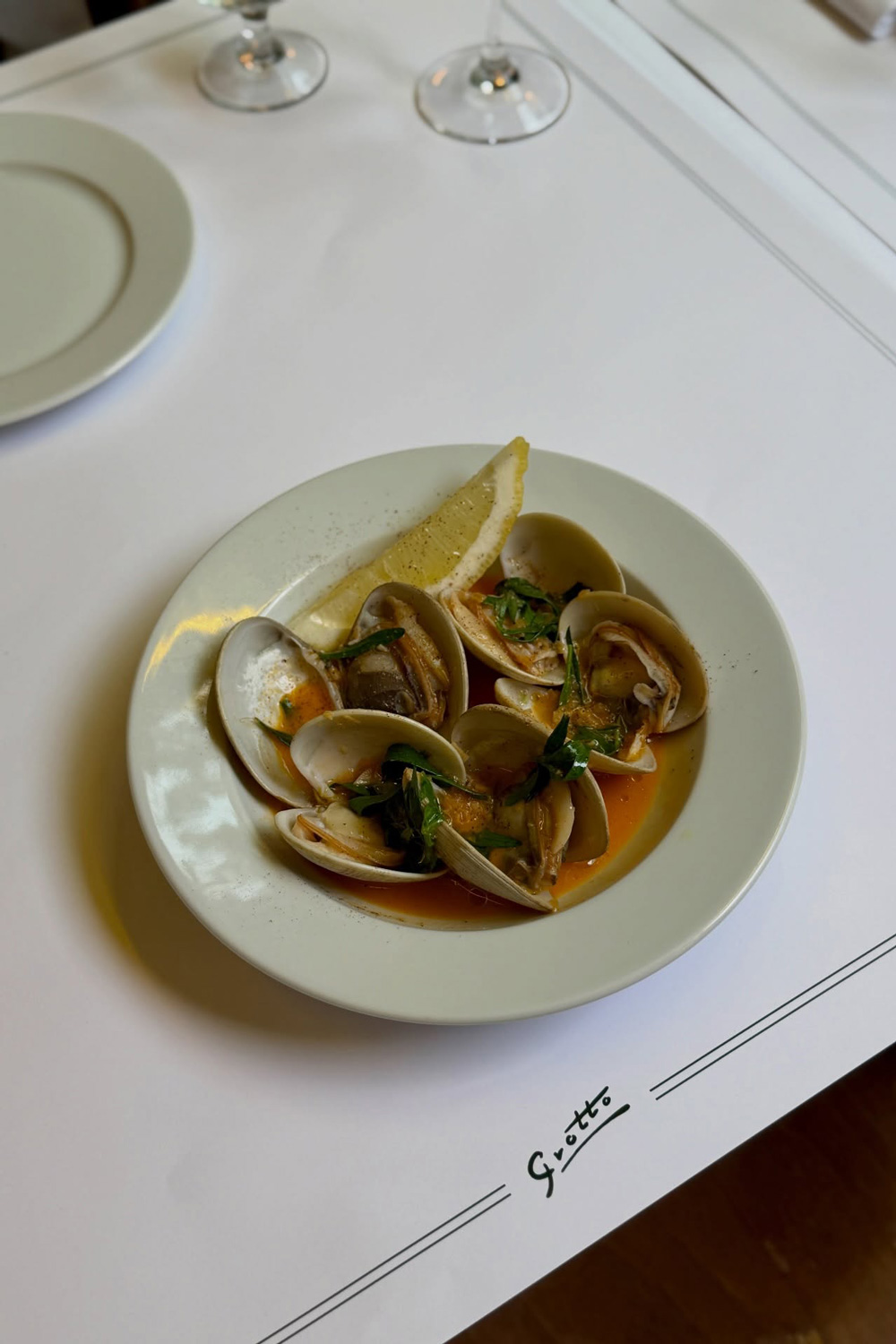
… Cordial and Grotto in Oslo, depending on the mood. Cordial gets the things I care about right – a place with genuine atmosphere, cooking that’s precise without being precious and service that actually reads the table. My tip: the turbot. Grotto is the more intimate, off-duty choice, the kind of place you settle into for the whole evening. My tip: the rum raisin ice cream.
For a fun night out, I head to …
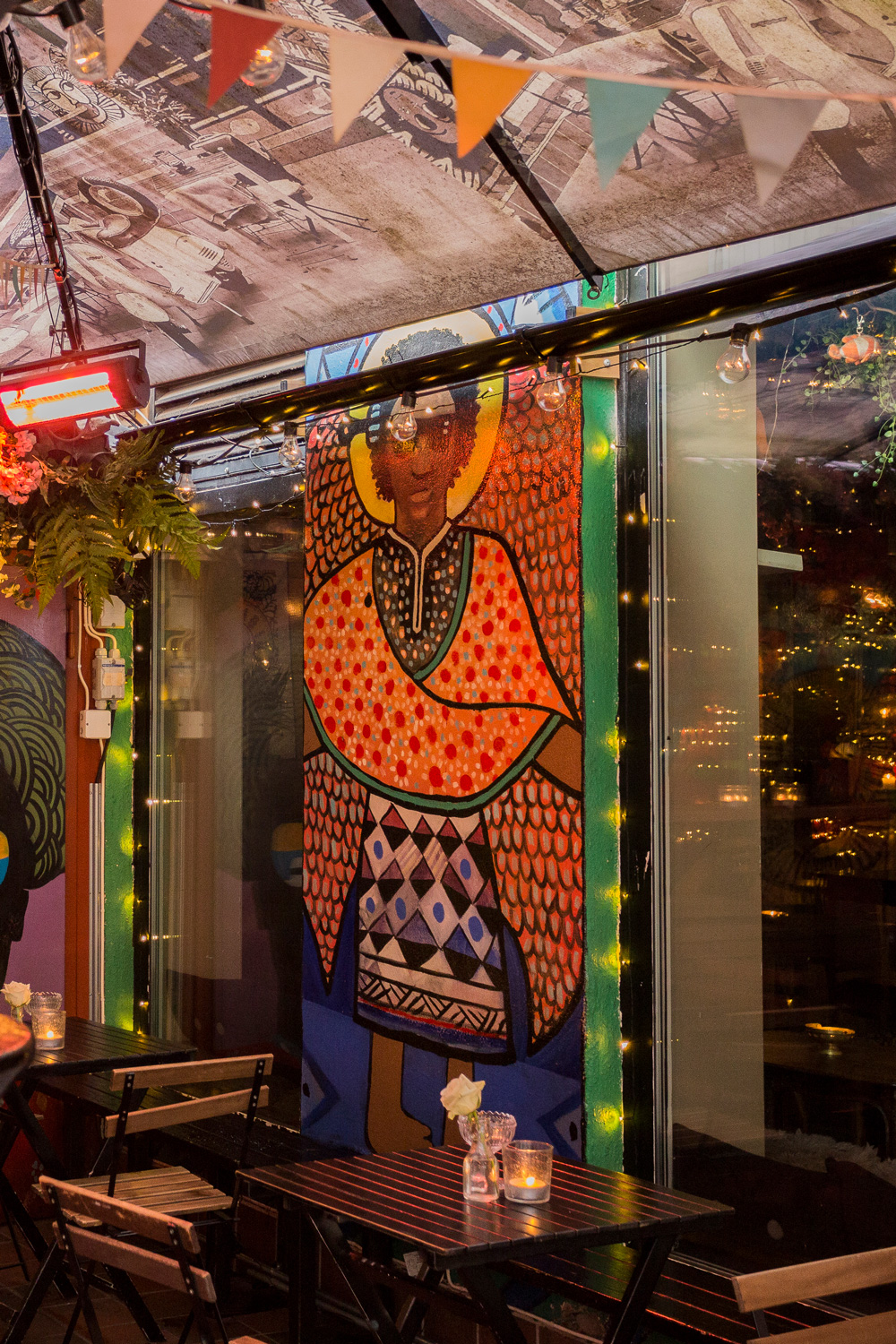
… Baba Bar and Angst, two Oslo bars that sit wall to wall and feed off each other. I love them for the music, for a crowd that mixes every kind of person and for a vibe that’s effortlessly inclusive.
Photography courtesy of Grotto and Angst Bar
“The way they treat one artist’s legacy as something living […] is exactly the kind of cultural ambition I admire.
For a dose of retail therapy, I shop at …
… Den Dama in Oslo. They’ve been at it for more than twenty years, run by two strong women with an ear to the ground for what’s current and what’s timeless.
For a dose of culture, I head to …
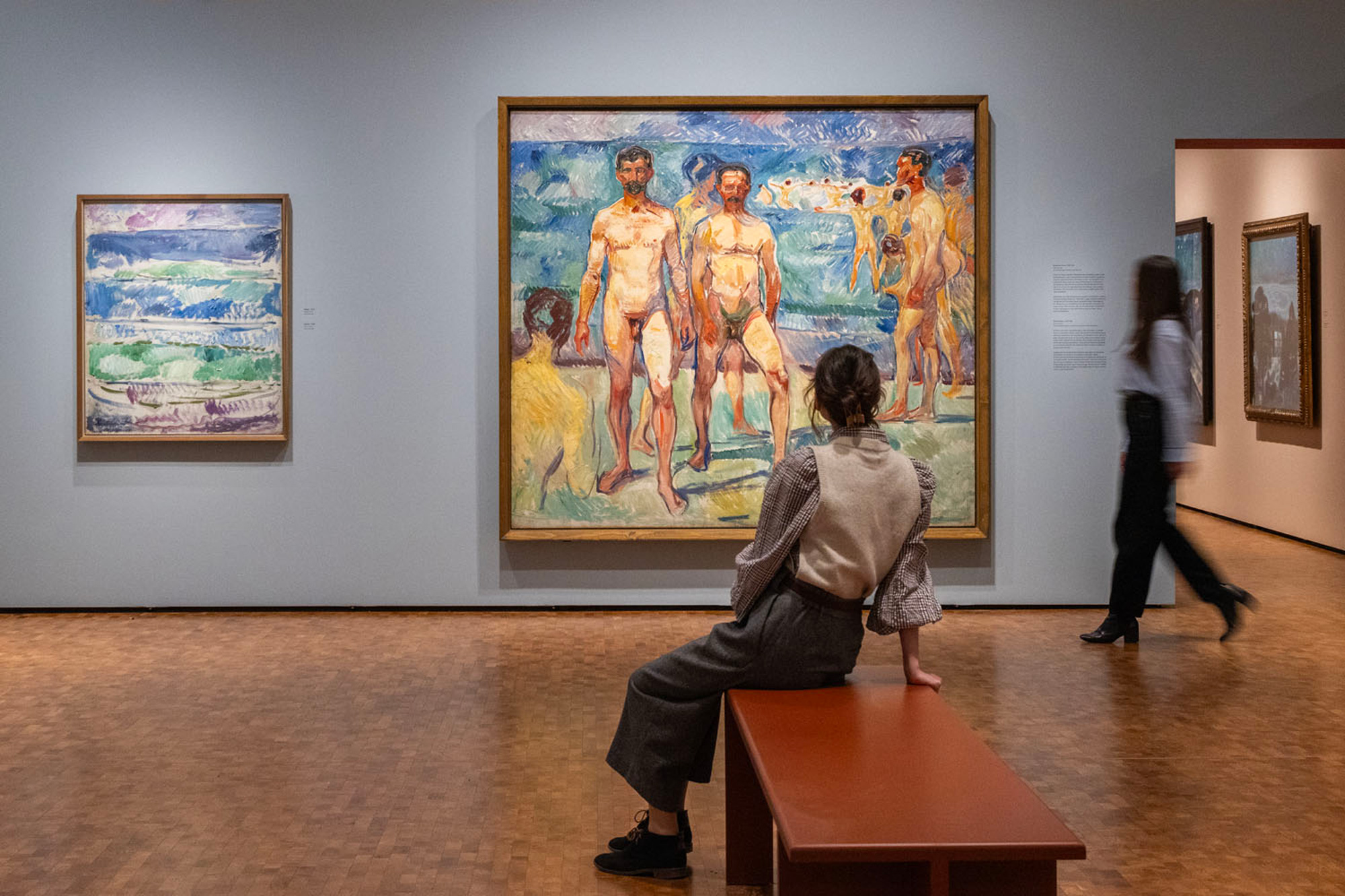
… Munch in Bjørvika, and not only for Edvard Munch himself – it’s the programming I keep coming back for. The way they treat one artist’s legacy as something living, pairing the collection with bold contemporary exhibitions, music and events in a building that’s an experience in its own right, is exactly the kind of cultural ambition I admire. It’s proof that a museum can honour its history and still feel completely of the moment.
Photography courtesy of Munch
“ … the light in midsummer, when it never properly goes dark …”
For a hidden gem, I recommend …
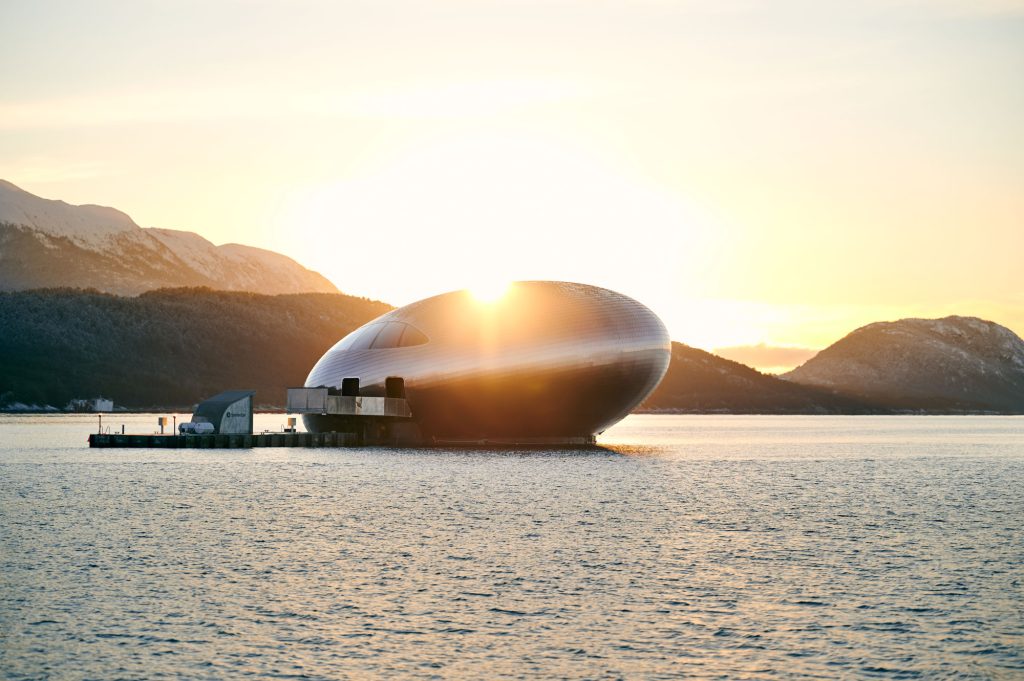
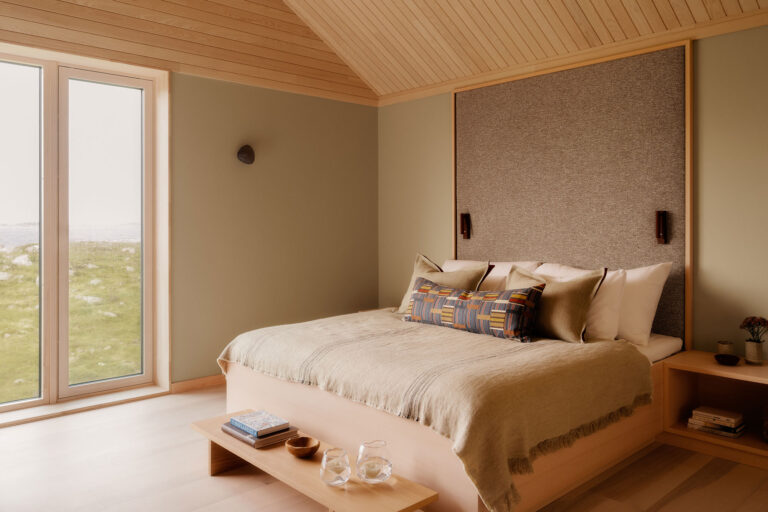
… The Bolder, a collection of architectural lodges set high above the Lysefjord in Ryfylke, near Preikestolen. Four of them are designed by Snøhetta, placed into the landscape so carefully they barely touch it, with panoramic views straight down to one of Norway’s most dramatic fjords. It’s everything I love in one place: serious architecture, real privacy and nature you don’t so much visit as live inside for a night or two.
For me, a quintessential Nordic experience is …
… the light in midsummer, when it never properly goes dark and the whole day loses its edges.