Discover what’s new before everyone else:
Get our free on-the-go Nordic hotspot map!
The Nordics • Stay • Review: Hotel Hans in Copenhagen, Denmark
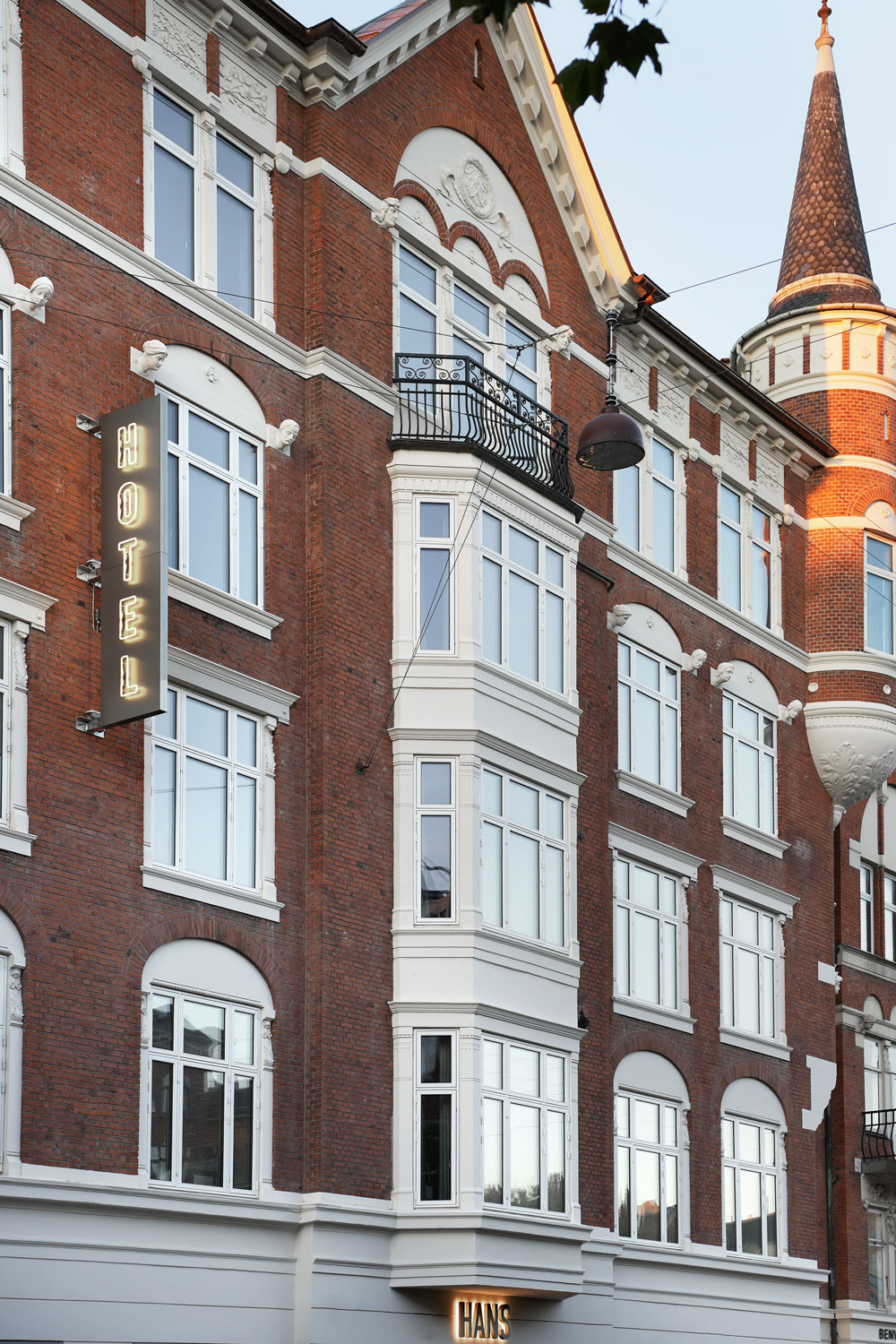
Local hospitality developers Brøchner Hotels have done it again. The boutique group, already well versed in giving Copenhagen addresses a sharper identity, opened Hotel Hans in November 2025 after an extensive transformation of the former Avenue Hotel, housed in an early-1900s red-brick building originally designed by Emil Blichfeldt, the architect also known for Tivoli’s main entrance. The new arrival feels like a deliberate move into a part of town that still has a little grit left in it.
Not sure where to begin in Copenhagen? Start with our Copenhagen city guide.
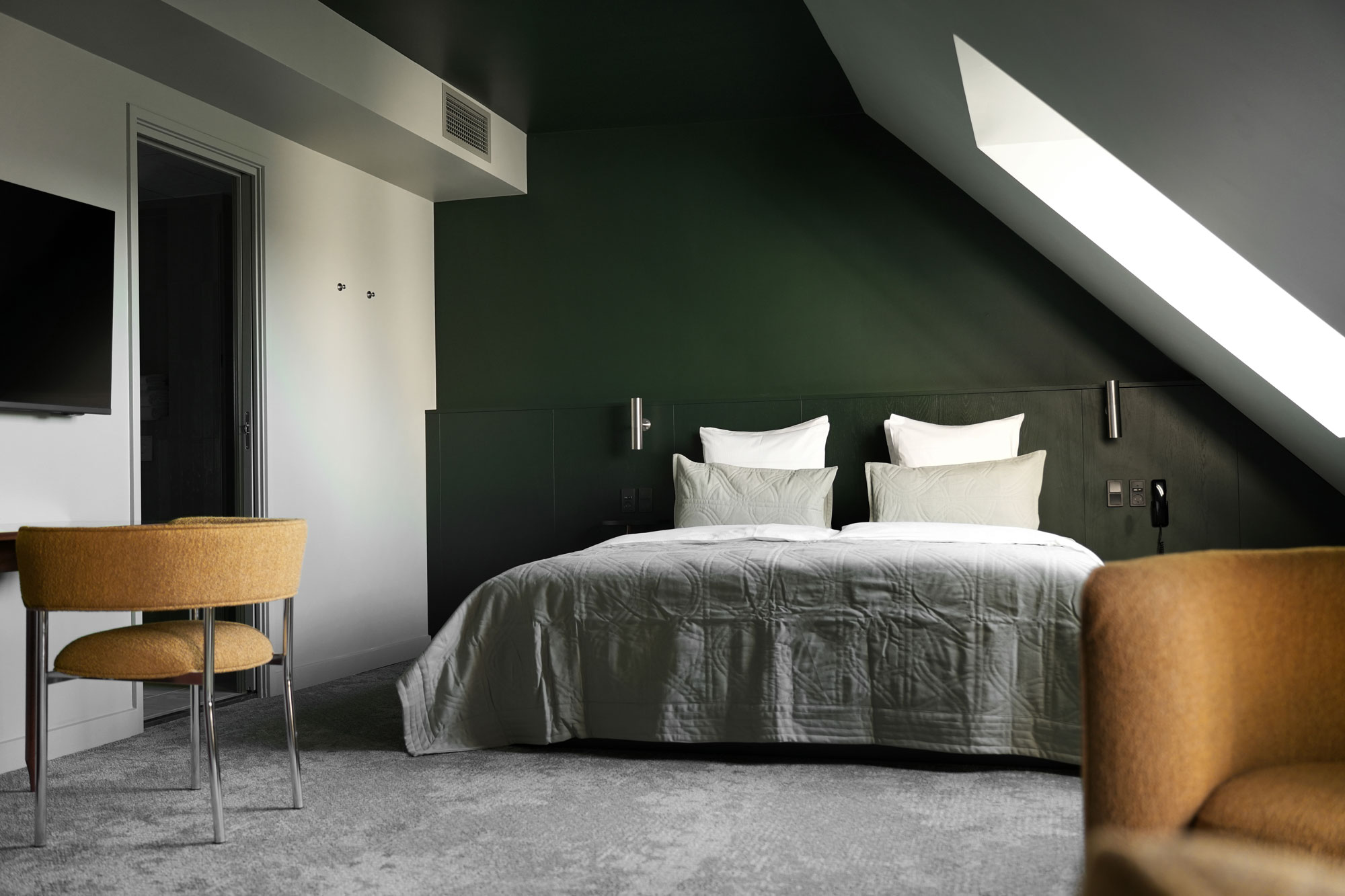
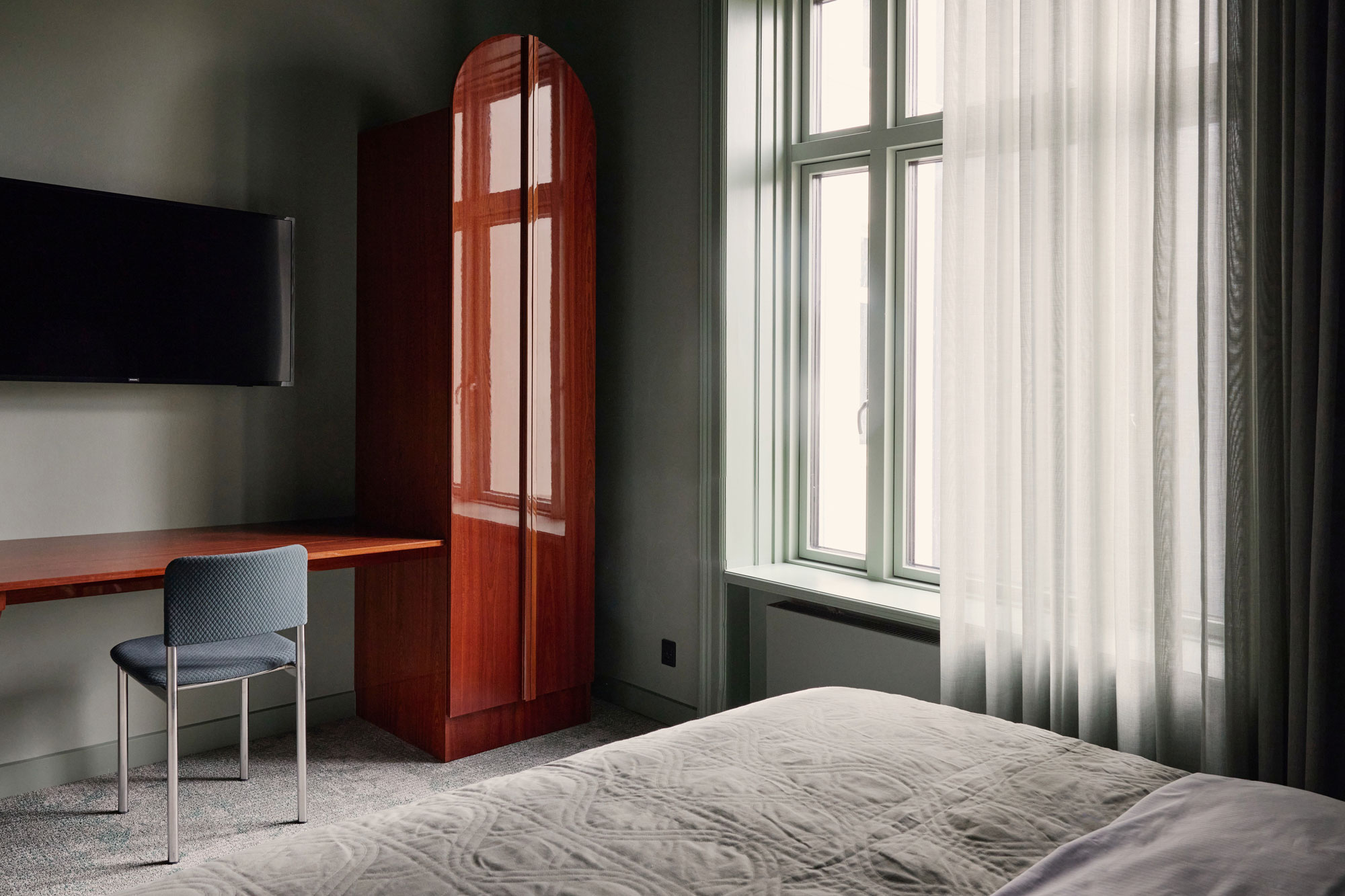
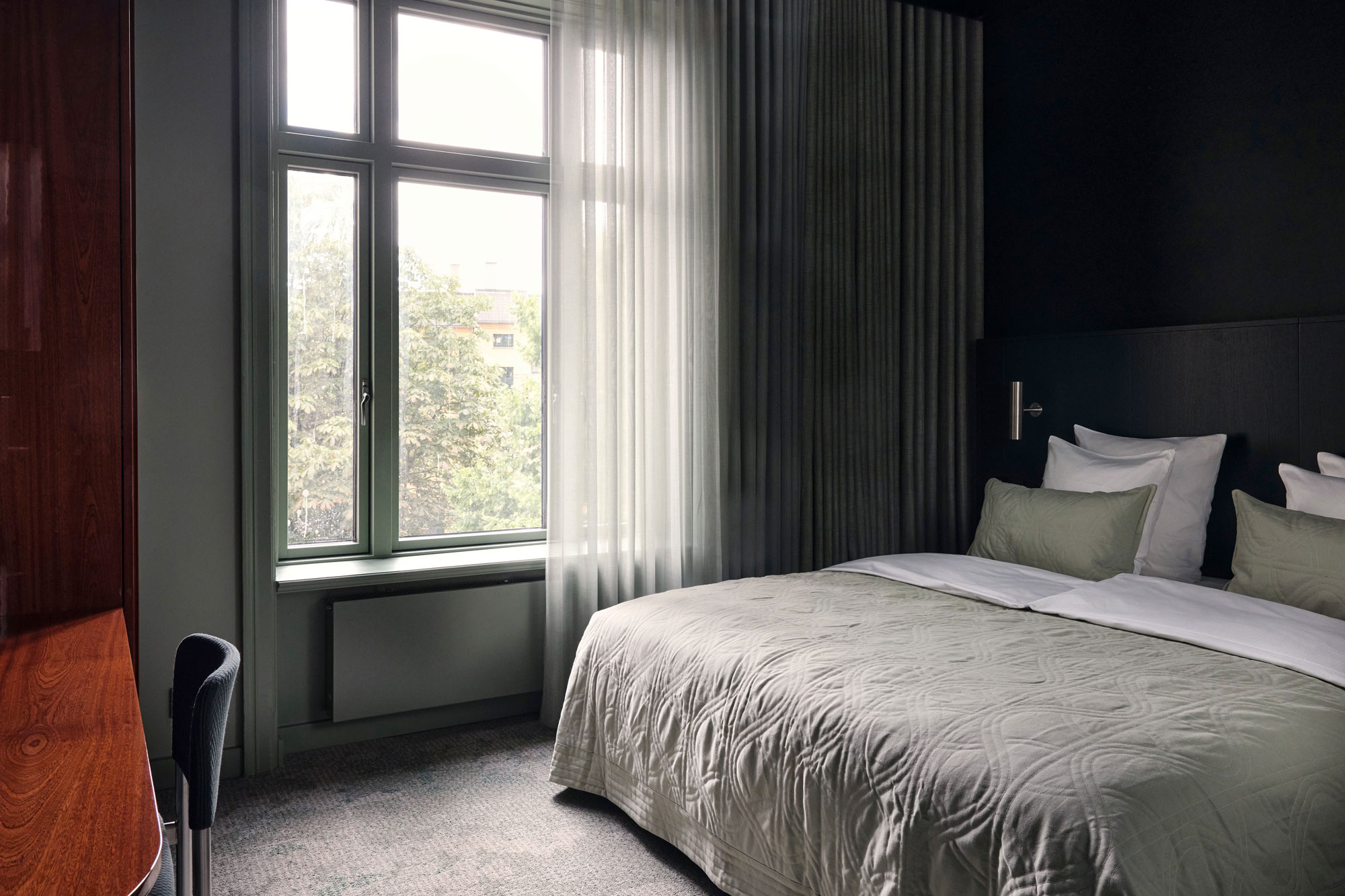
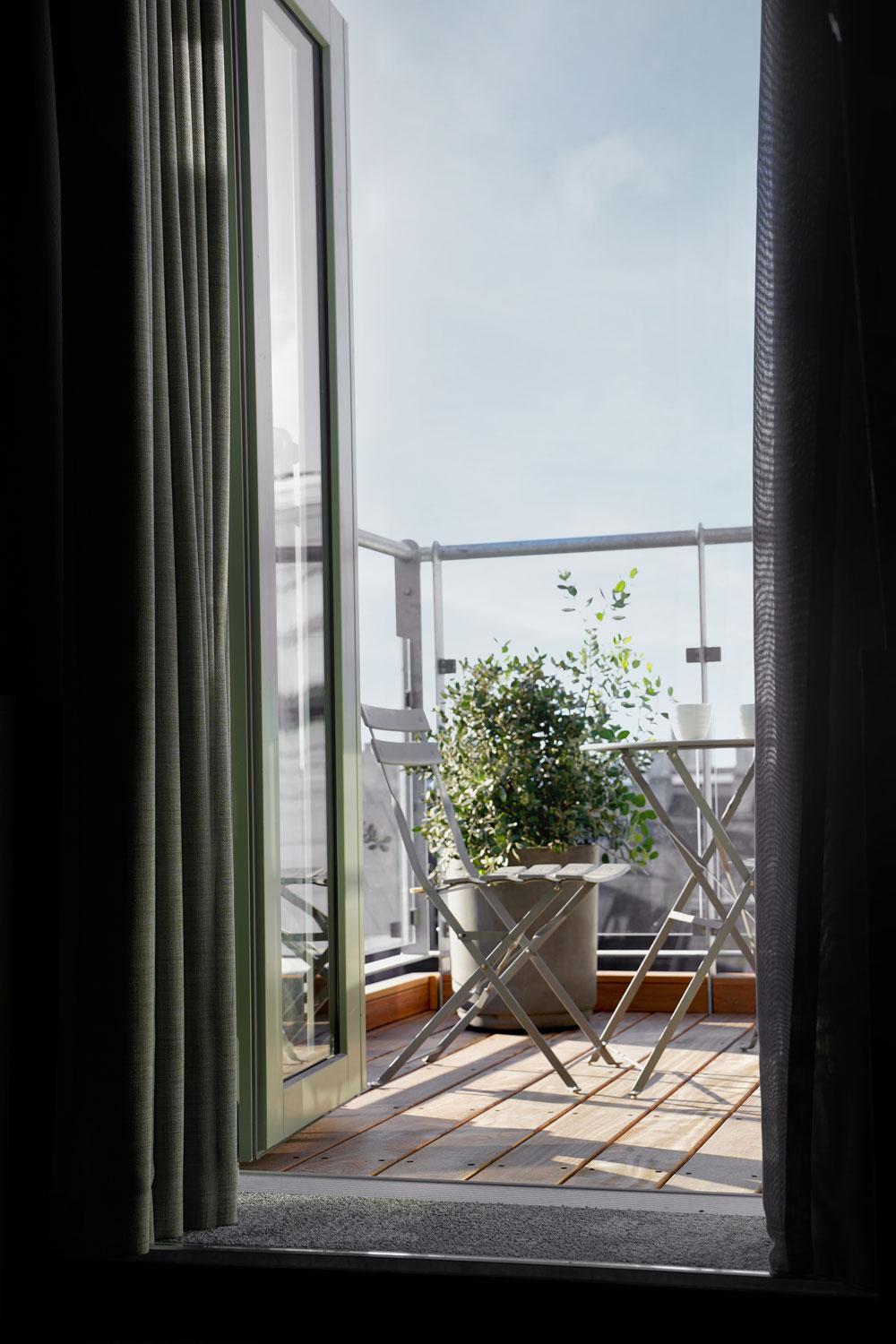
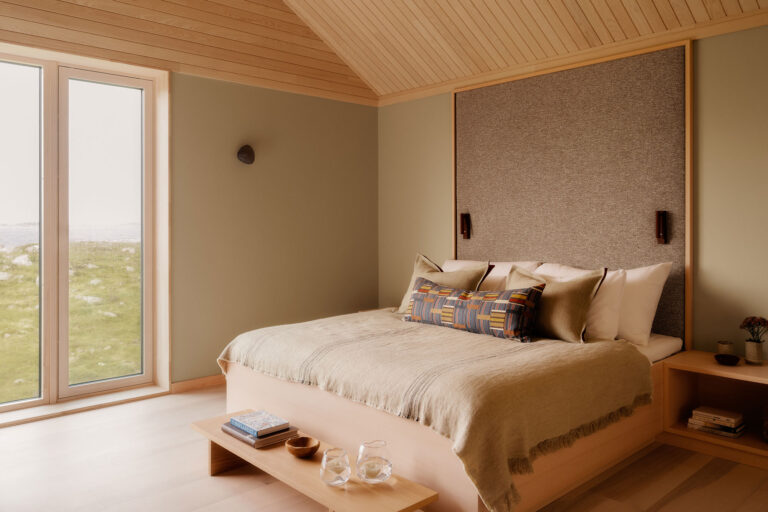
We stayed in a Superior Double Room with a French balcony overlooking busy Åboulevarden, one of the main routes feeding into central Copenhagen. Hotel Hans has 91 rooms and suites across five categories, from compact doubles to larger balcony rooms and a top suite with its own rooftop terrace.
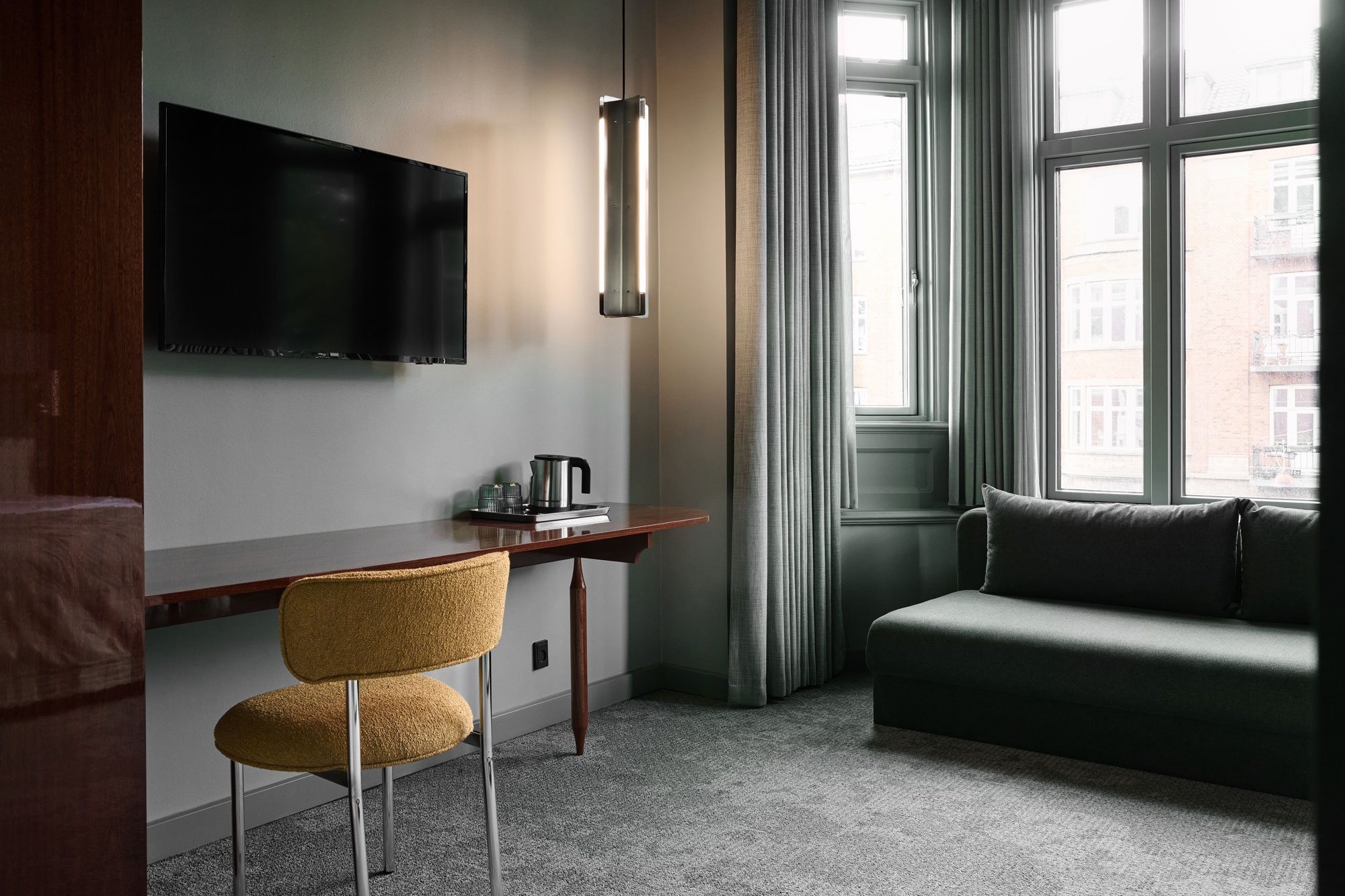
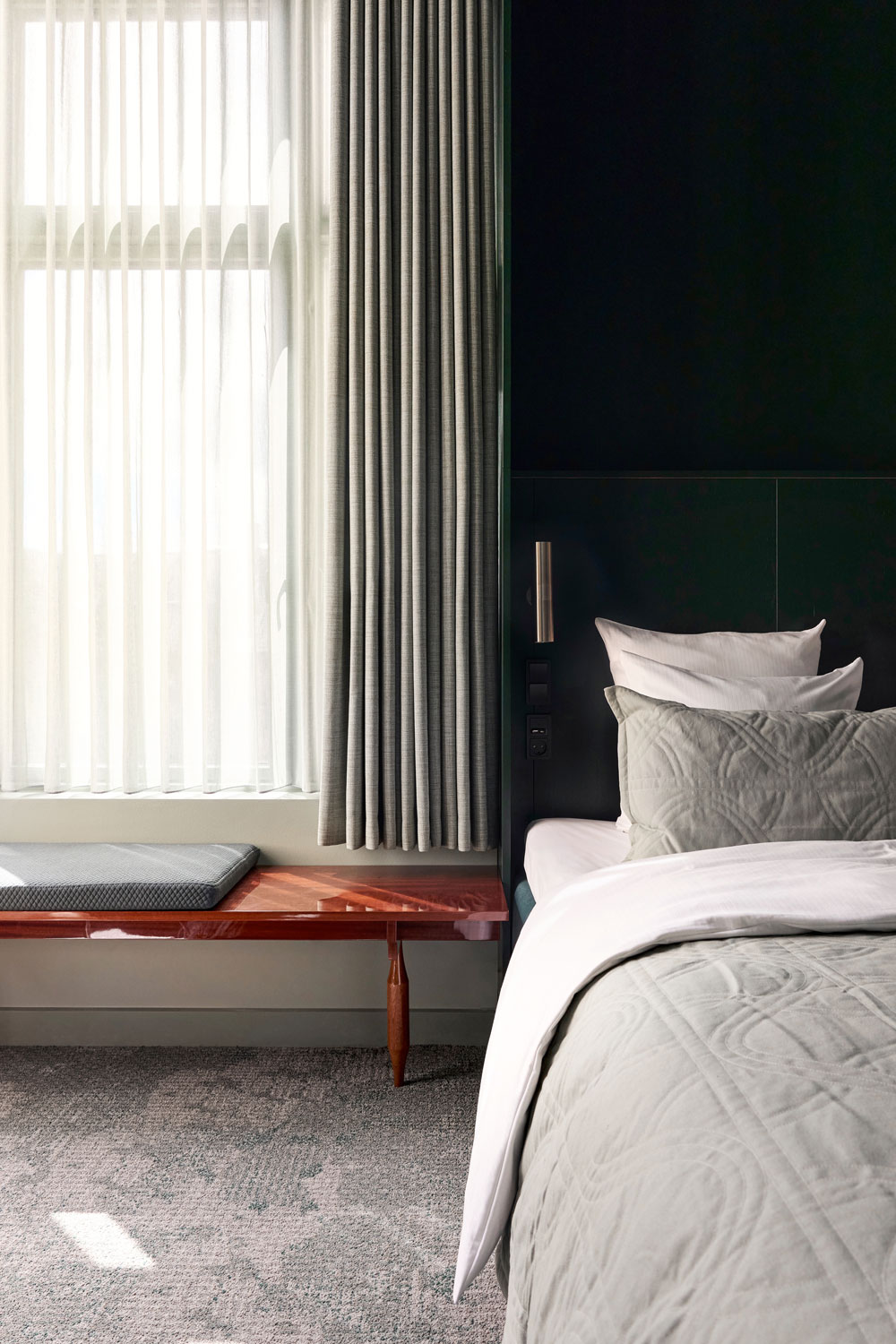
Our room felt generous enough, yet clearly part of a city boutique hotel where atmosphere matters more than sprawl. The interiors were designed by Norrøn Architects.
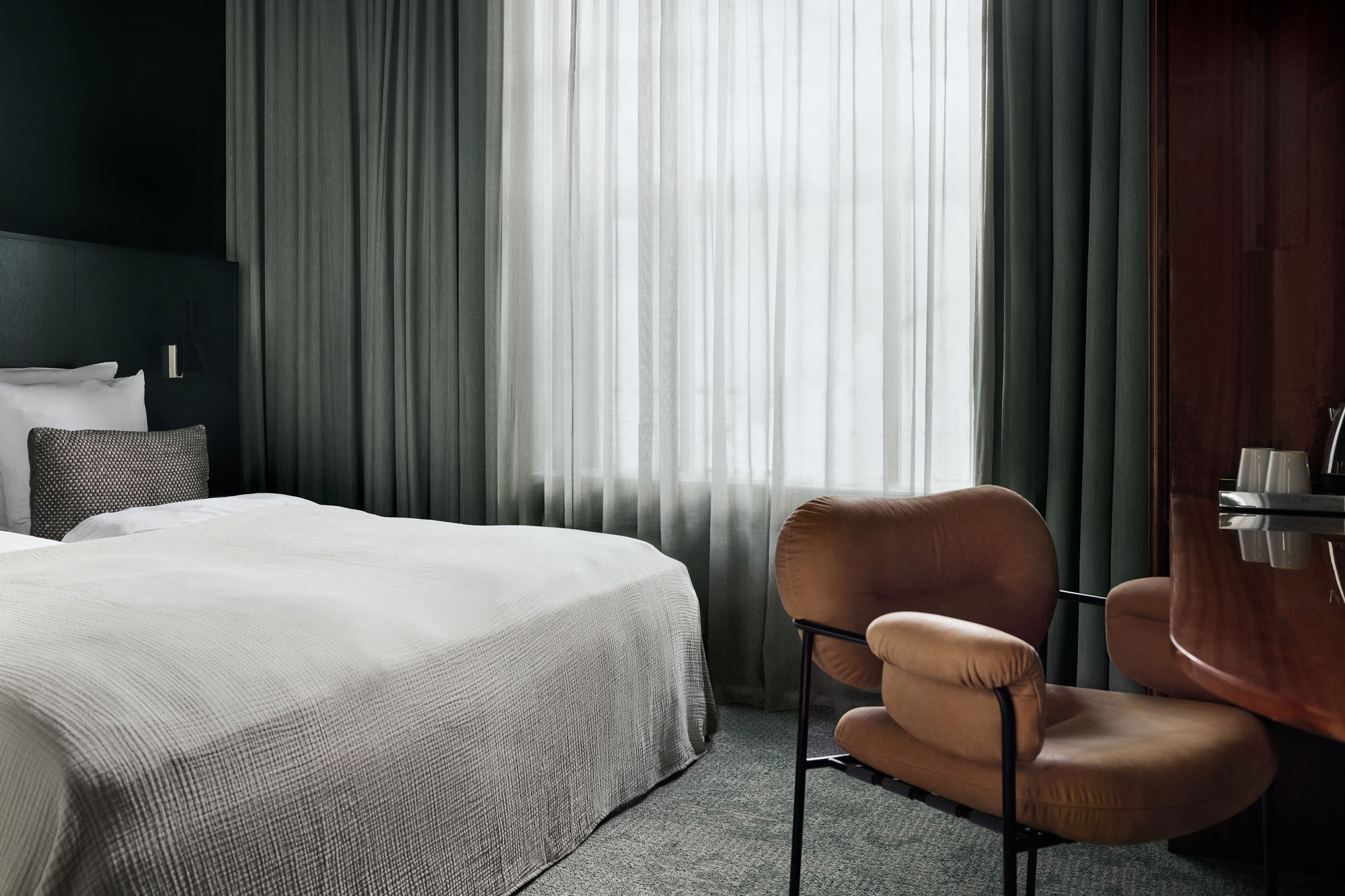
The high ceilings and large windows brought in plenty of daylight, which helped the room’s green palette exude calm without feeling sleepy. Even with the traffic below, the room held its own as a retreat, which is no small achievement on this stretch of road.
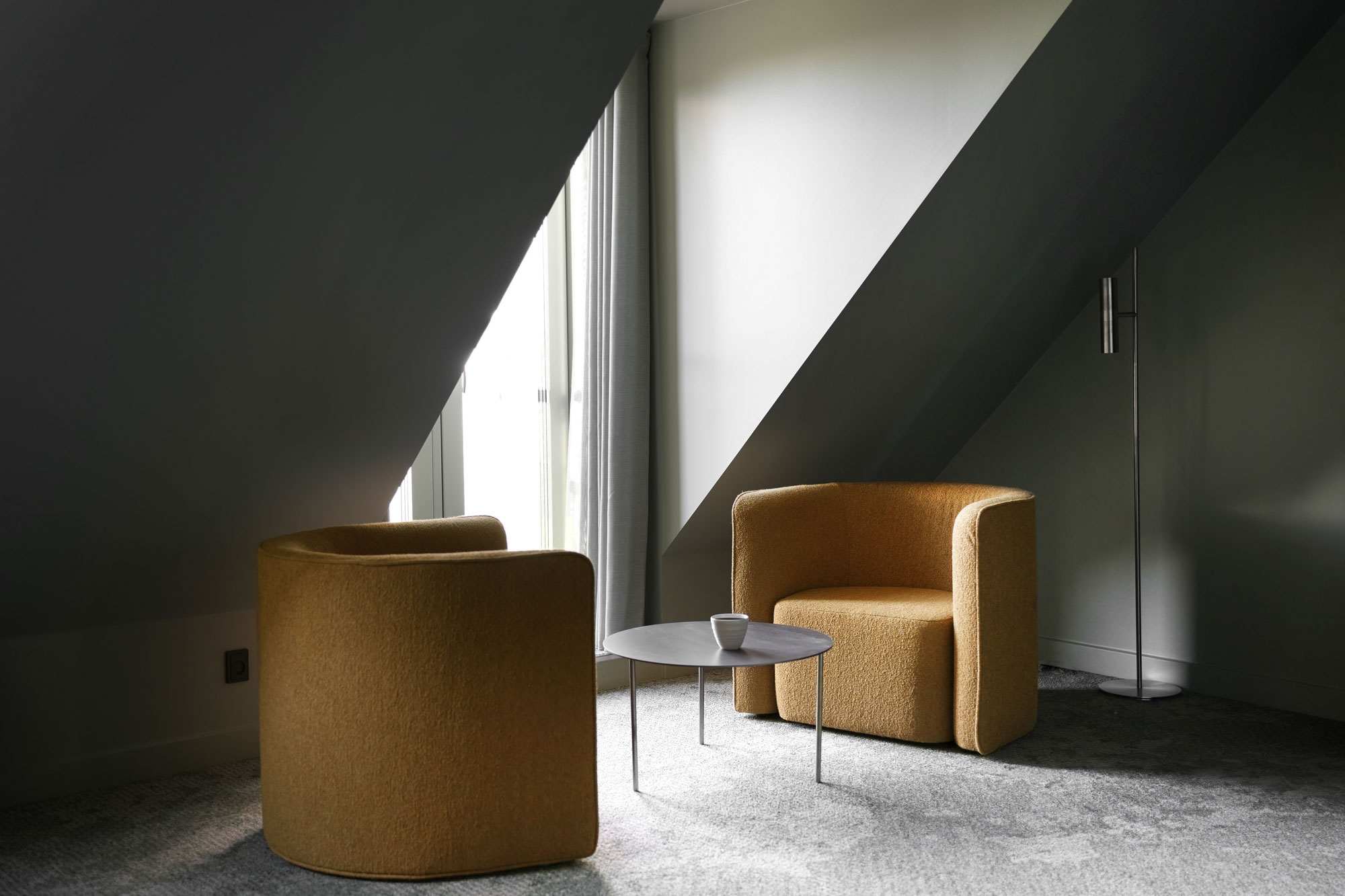
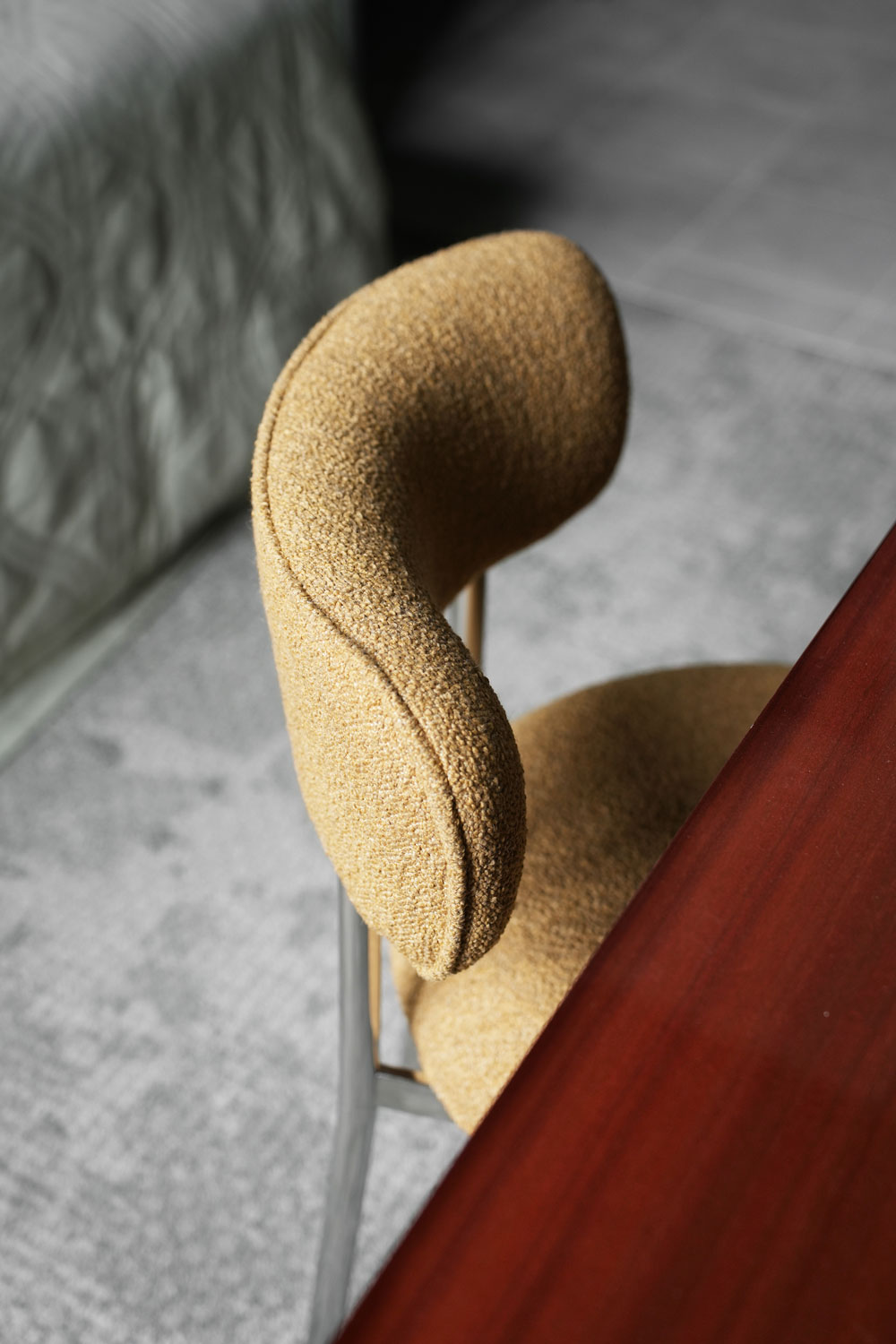
What works here is that the rooms do not drift into generic boutique-hotel niceness. The design language is softer than in the public spaces, but it still carries through the hotel’s broader idea of contrast – deep greens, darker woods, stone, metal and a few warmer notes in the furnishings that stop the whole thing from becoming too severe. In short, the rooms are more composed than cosy, and more urban than romantic.
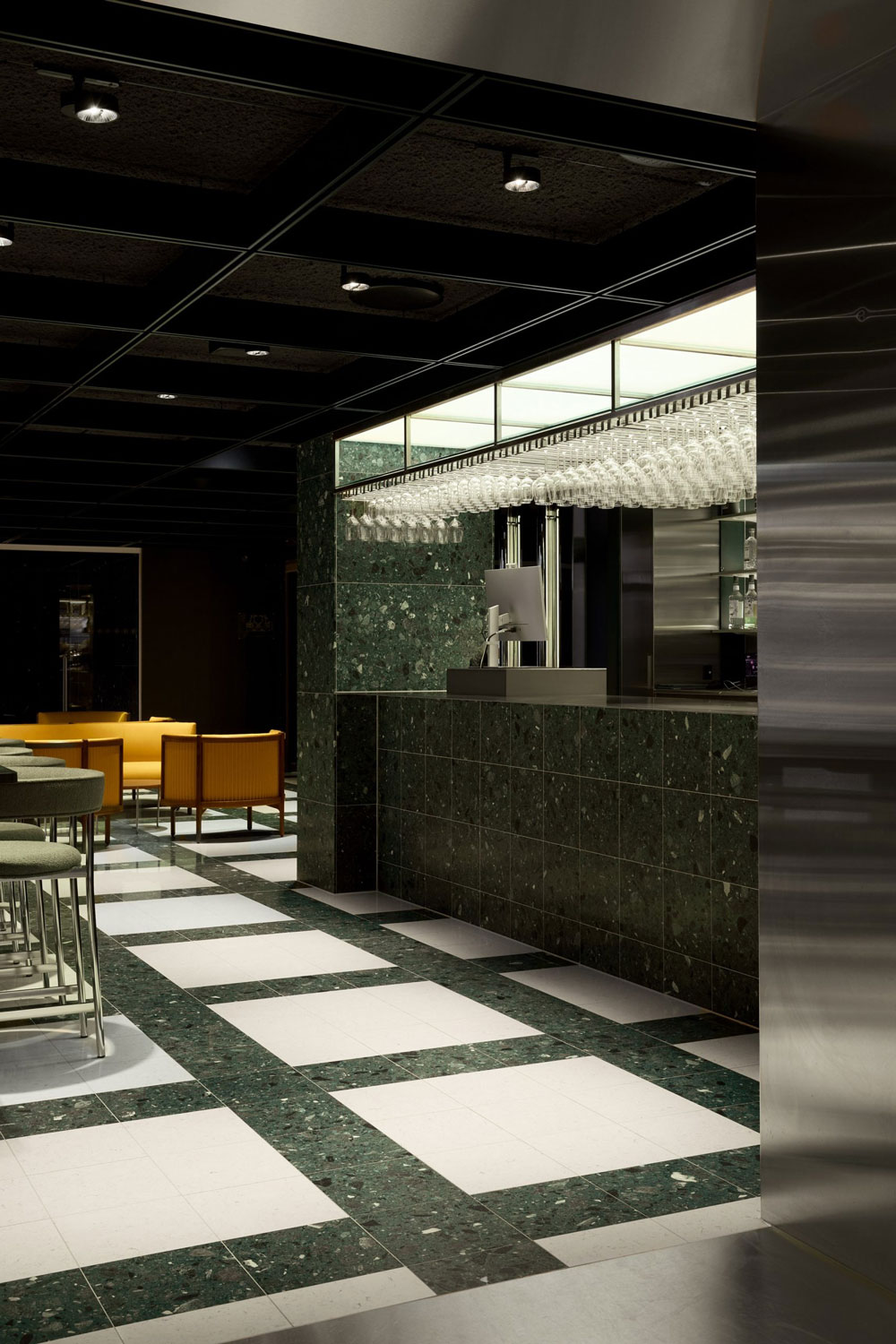
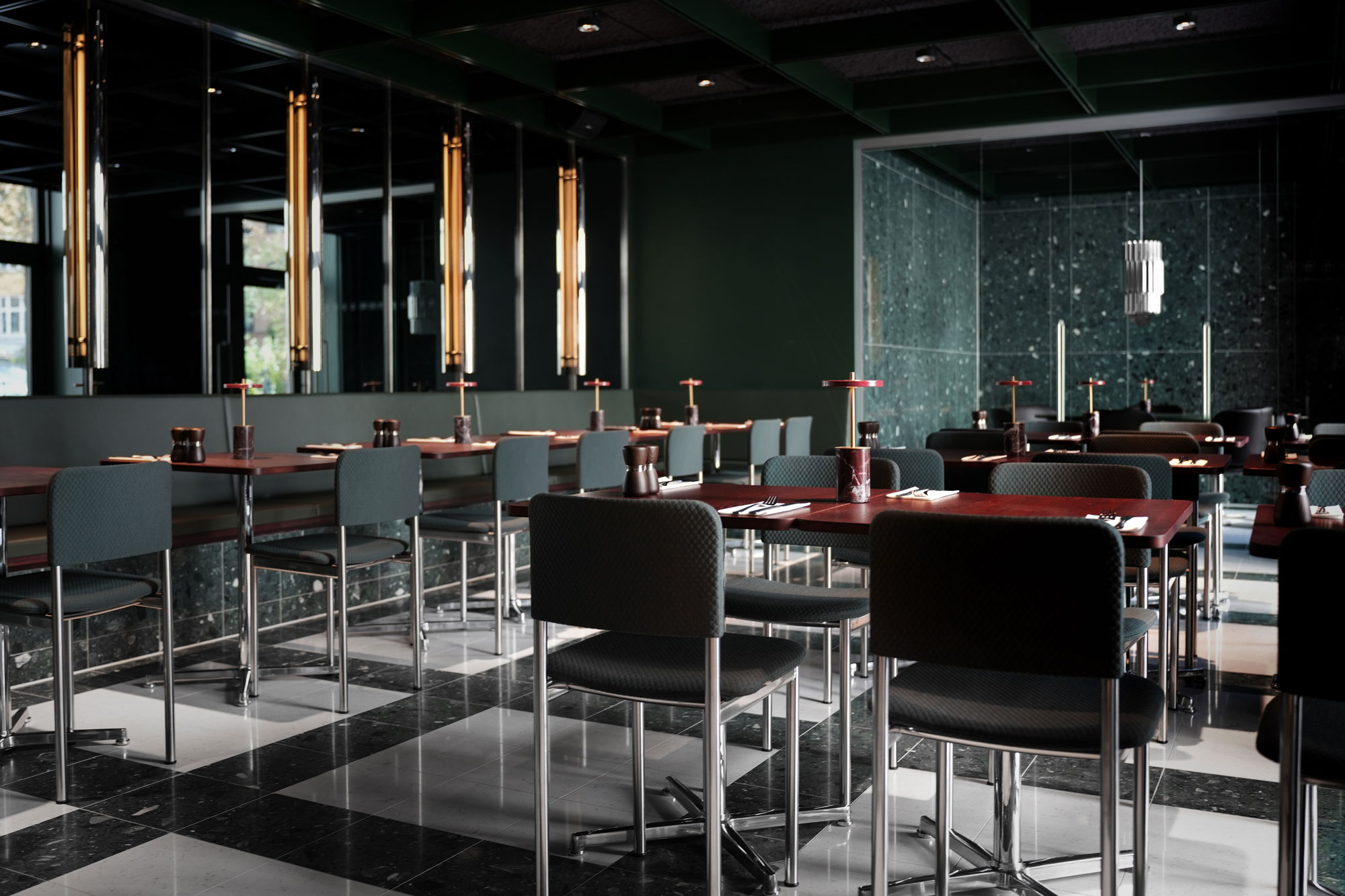
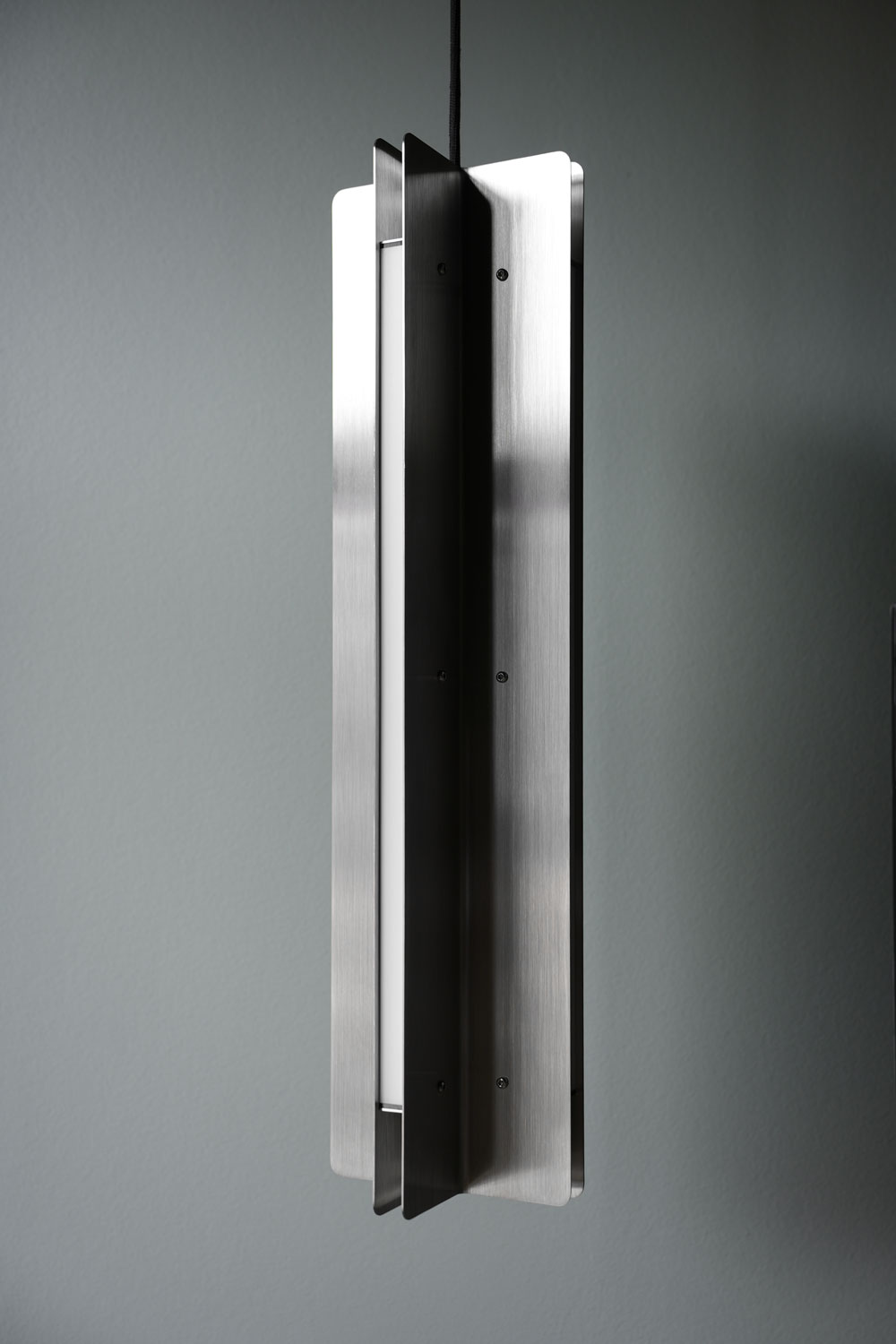
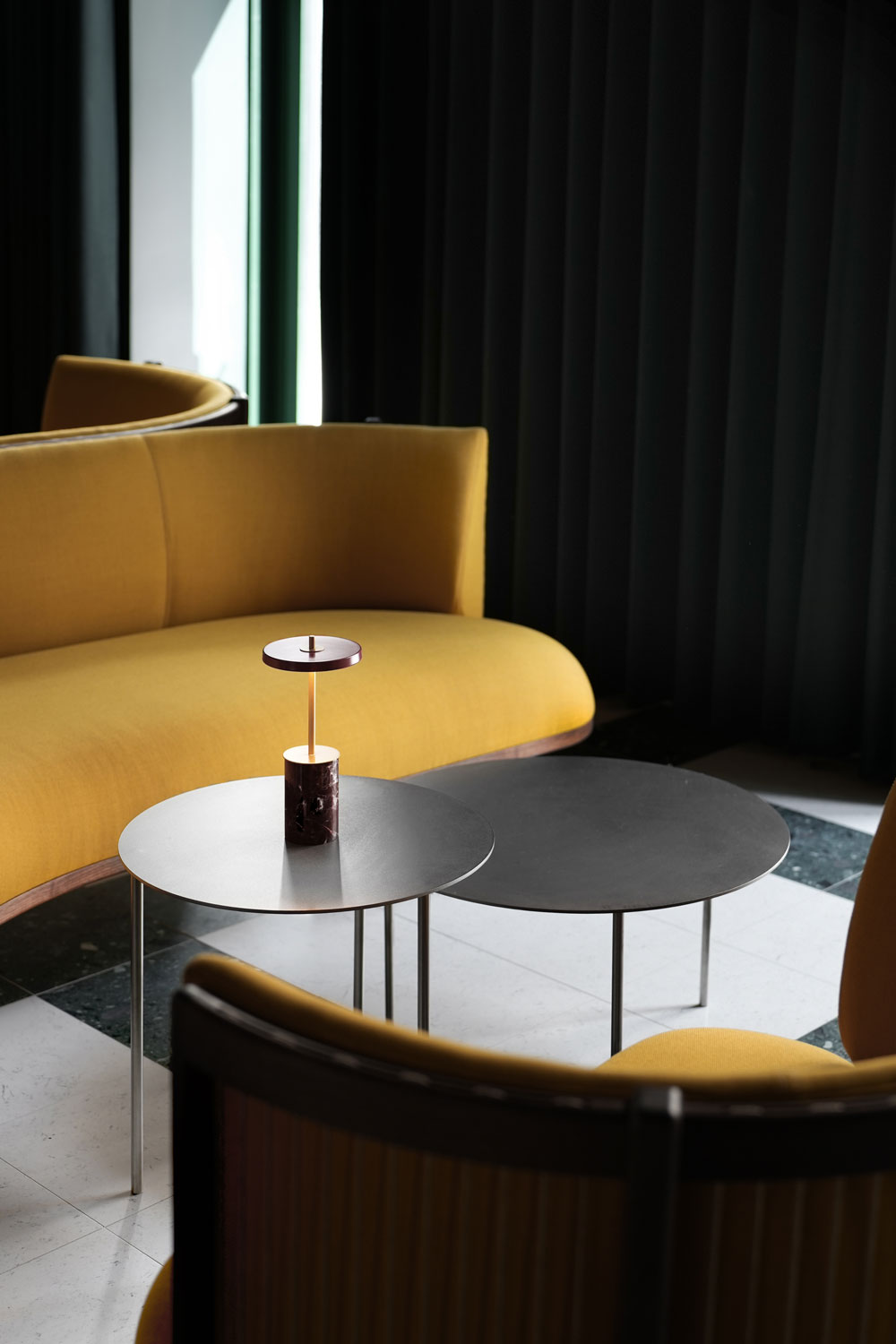
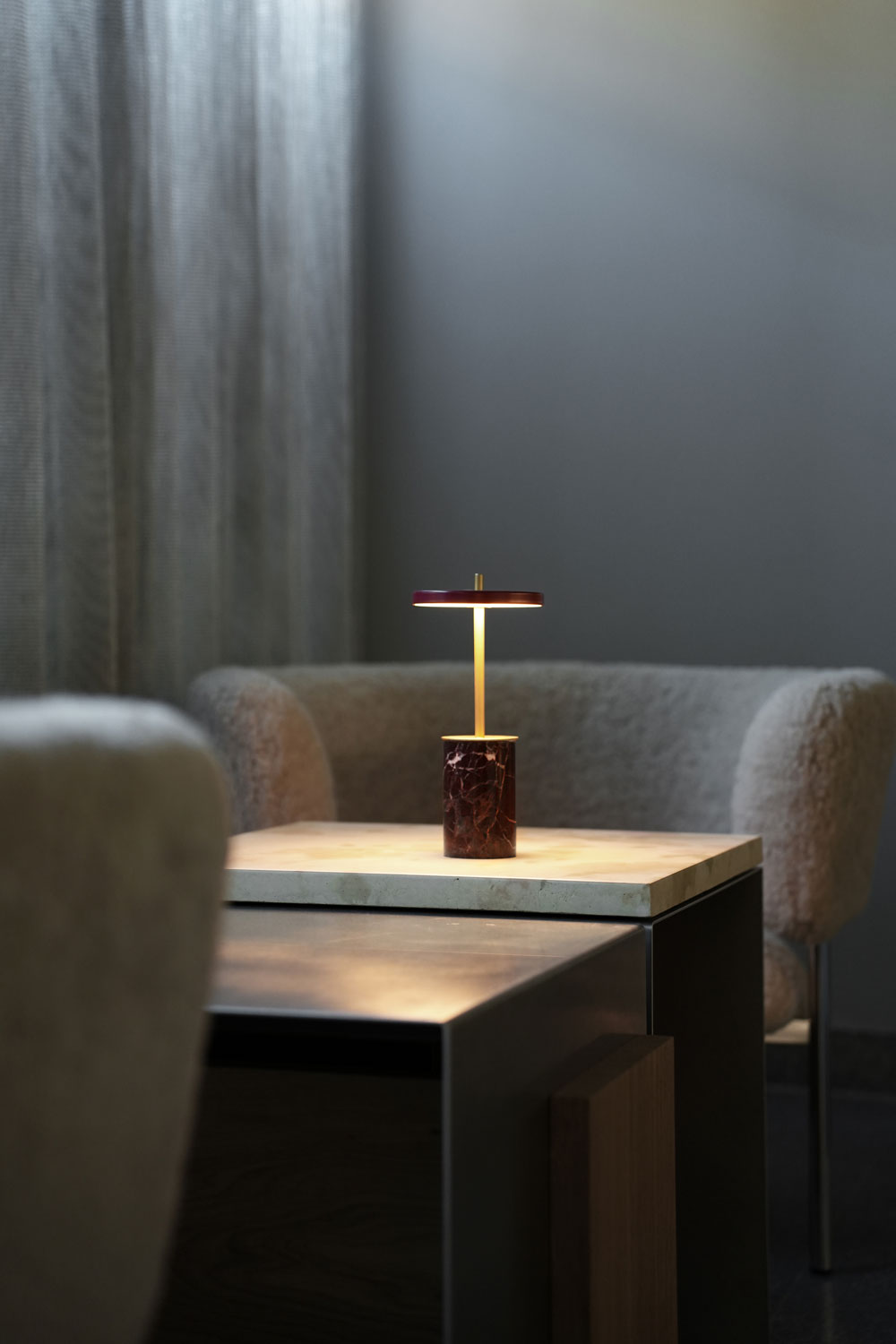
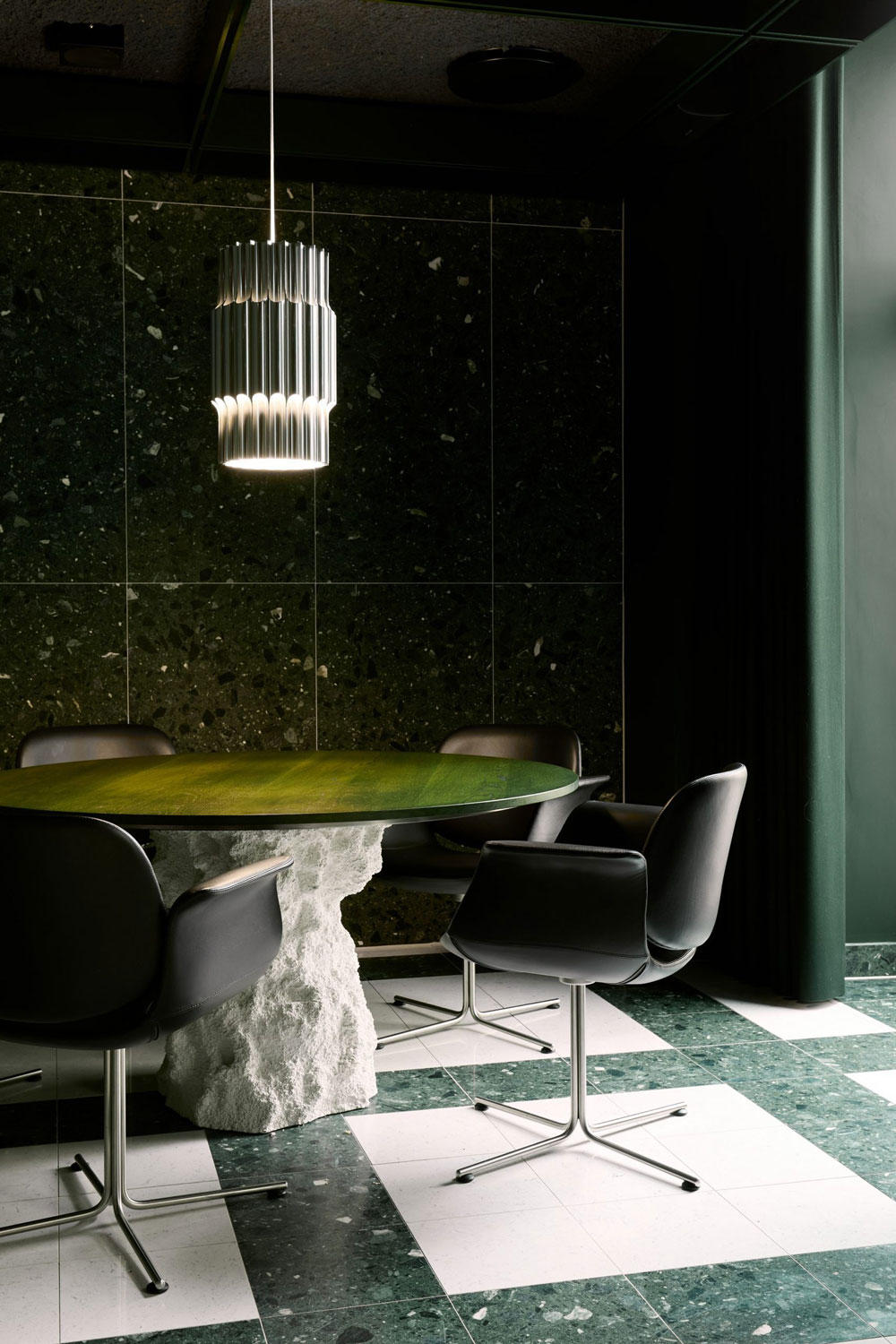
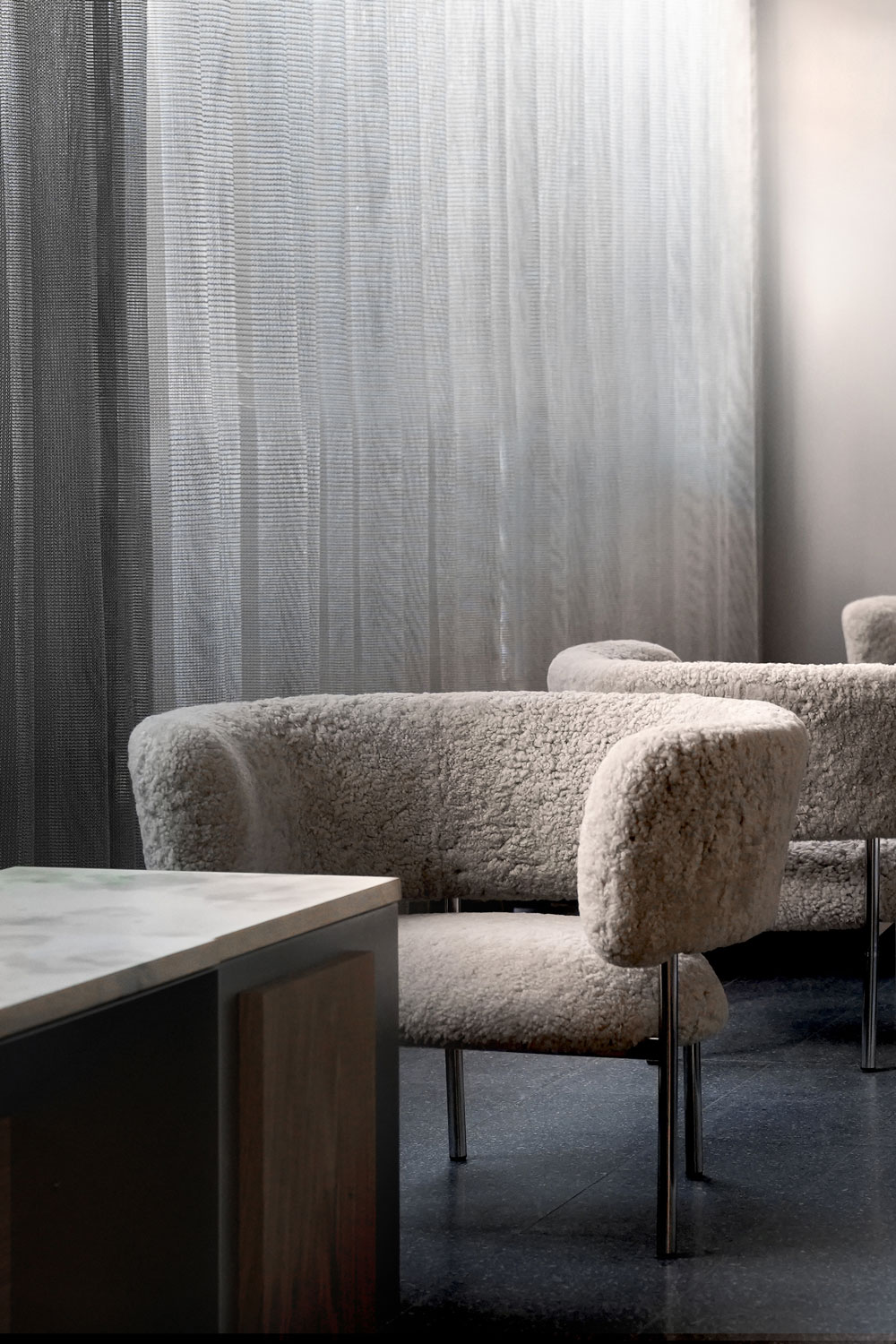
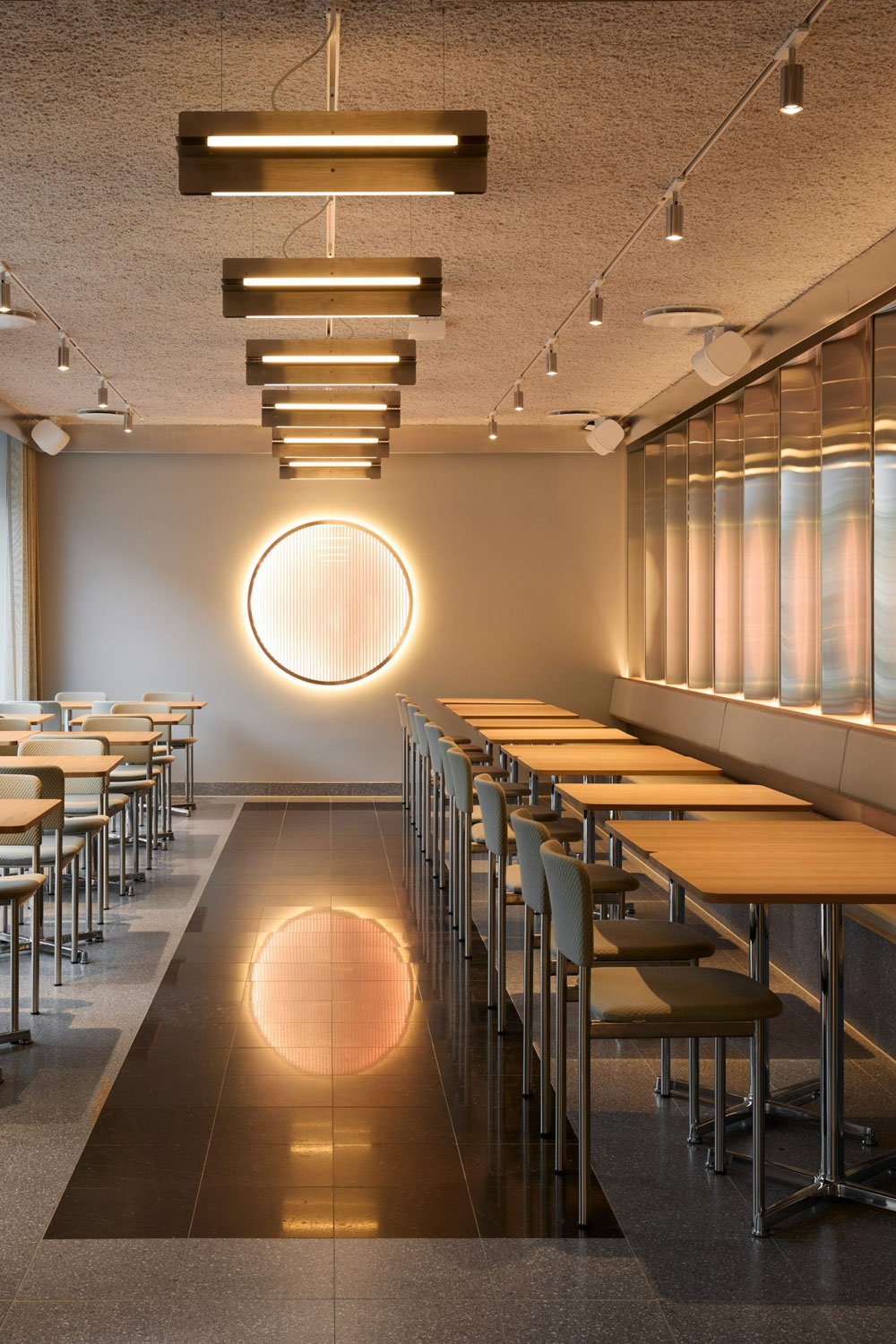
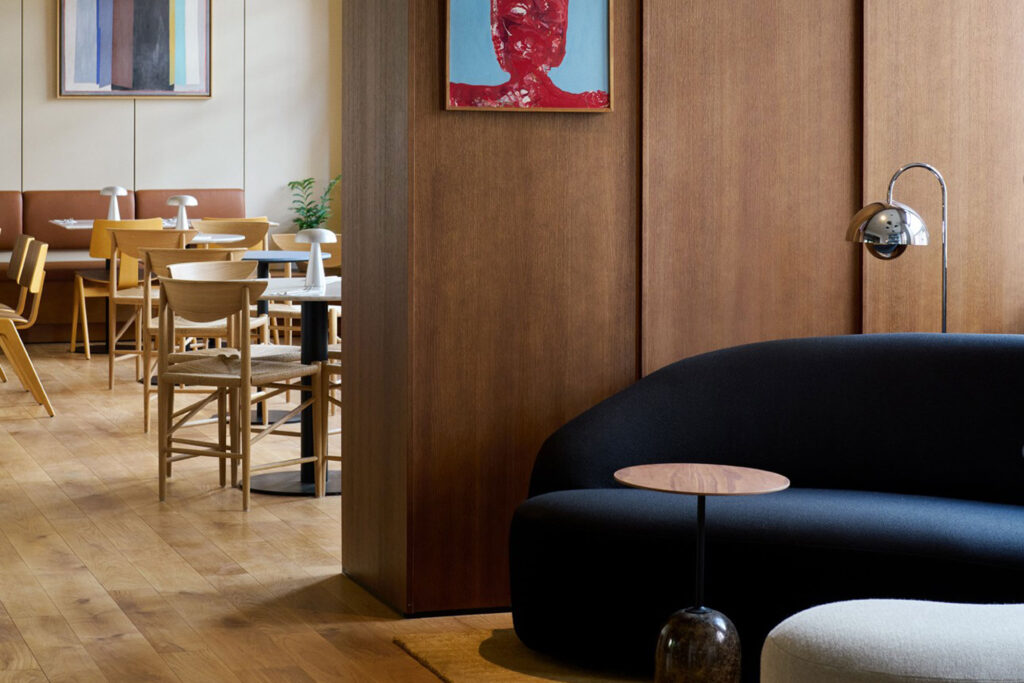
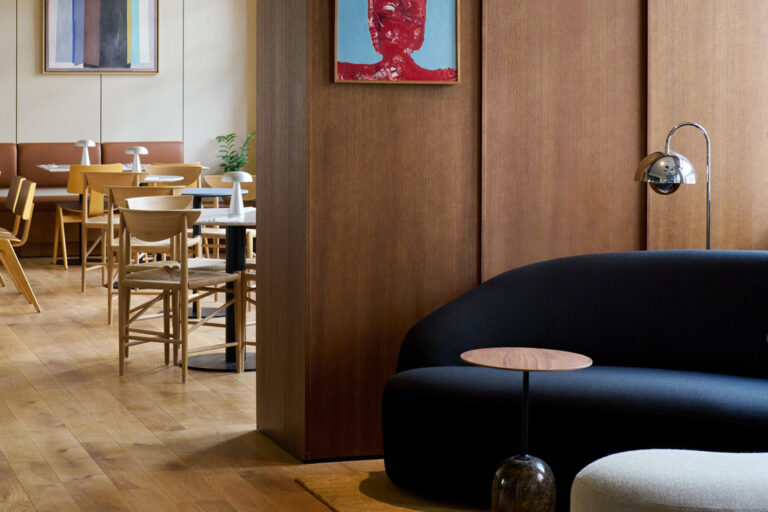
There is also a nice sense of continuity between the room and the rest of the property. Downstairs, Hotel Hans leans into exposed concrete, green marble, industrial lighting and more theatrical gestures, topped off with furniture pieces from Fredericia Furniture, Carl Hansen & Søn and Møbel, as well as bespoke pieces designed by Norrøn. Upstairs, that mood is toned down rather than abandoned, tying in nicely with the hotel’s identity rather than feeling cut off from it.
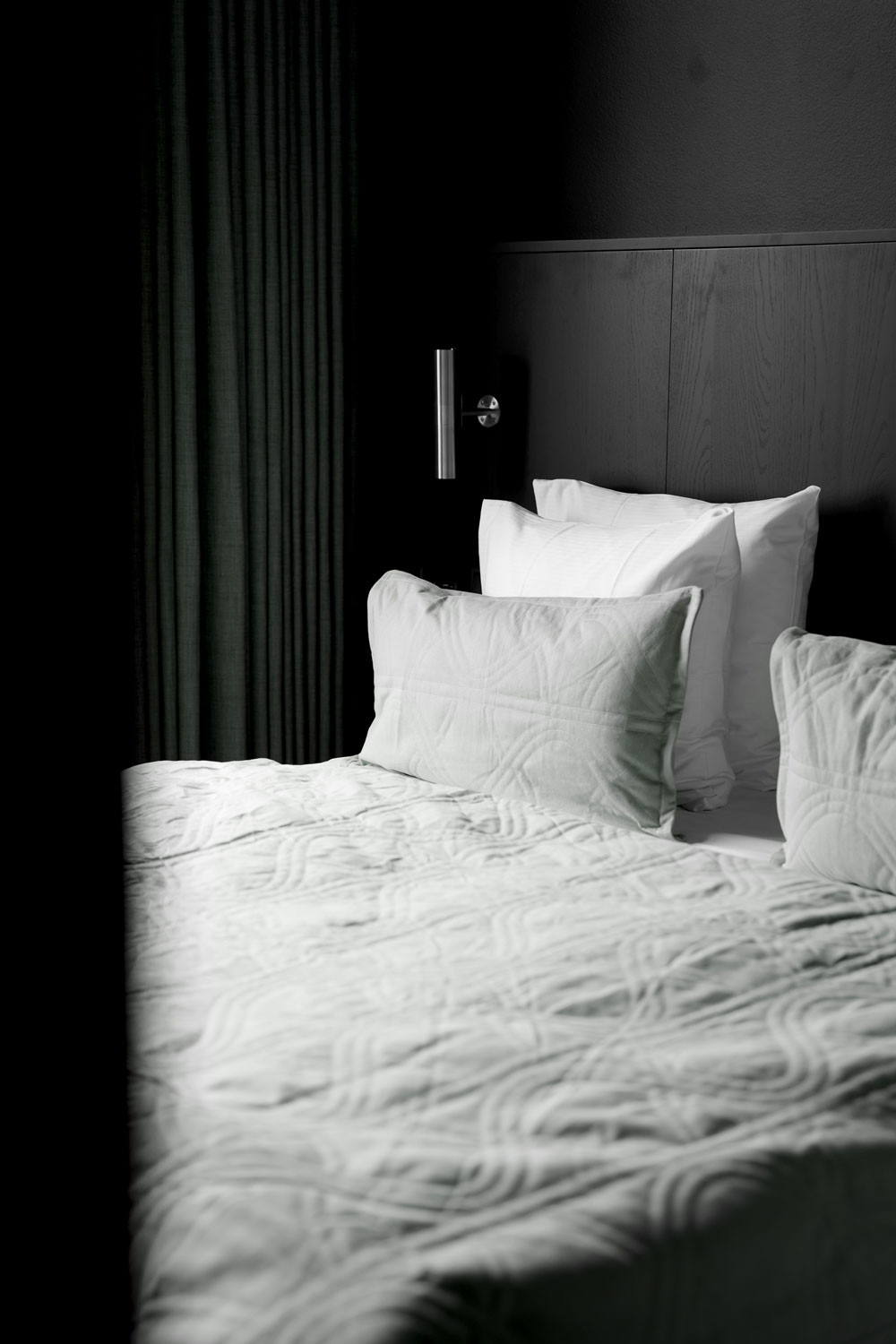
We did not lack much, except perhaps a bedside table, which was curiously missing on one side of the bed. Still, the essentials were right where they needed to be, and the room avoided the over-furnished clutter that can make smaller city hotel rooms feel tighter than they are. We would have appreciated a Nespresso coffee maker, rather than the rather lackluster selection of instant coffee and teas.
The bathroom, done in a slick, modern Scandinavian style with floor-to-ceiling ceramic tiling and brass fixtures, felt more polished than flashy. It gave the room a quiet sense of finish, which suits the hotel. Nothing is trying to scream luxury, but it all feels considered.
The French balcony adds charm and a bit of breathing room, but it is not the main event. If you want a stay built around private outdoor space, the Deluxe Double Room with Balcony is the obvious step up, while the suite takes it further with a rooftop terrace and full panoramic city views.
Affiliate link (what is it?)
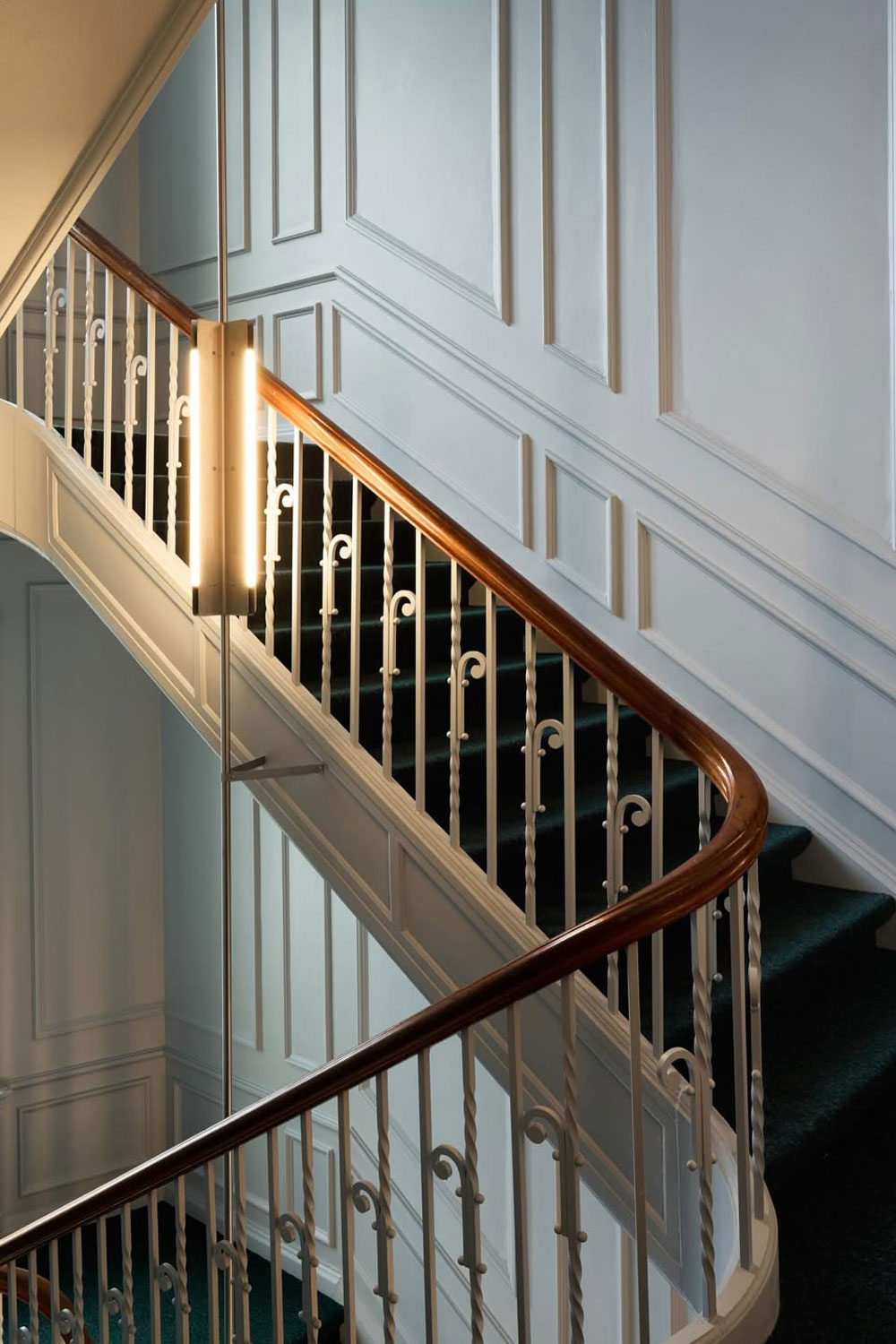
Outside, Hotel Hans still reads as a solid old Copenhagen brick building, with little hint of the mood shift inside. That contrast is intentional. The hotel occupies the former Avenue Hotel and uses the shell of a 1900 property to stage something much more graphic and current within. Its location, on the border of greener, more established Frederiksberg and livelier Nørrebro, makes Hotel Hans feel like a fully formed concept rather than just a convenience story.
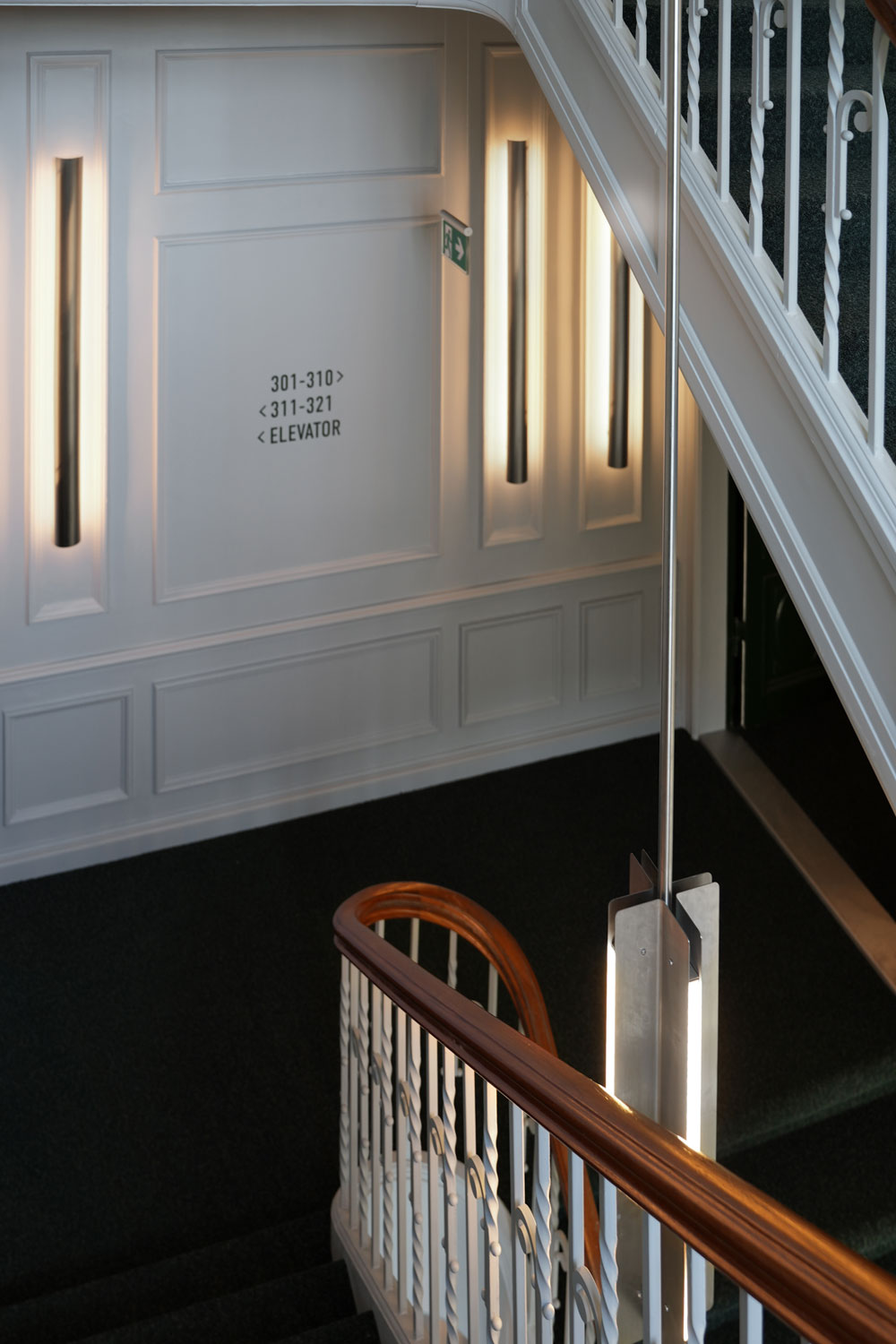
Step through the unassuming doors and the hotel quickly makes its case. The design is extravagant, edgy and theatrical. While that language could easily tip into overstatement, there is enough restraint in the execution to stop it becoming costume drama. Hotel Hans is built on contrasts. The grit of Nørrebro comes through in asphalt-like black travertine floors, concrete, industrial details and a rougher graphic energy. Frederiksberg enters through green marble, draped textiles and a more polished, almost clubby elegance.
That tension is what makes the place interesting. Copenhagen has no shortage of interiors built around pale oak, white walls and studied understatement. Hotel Hans is a refreshing sidestep from that formula. The hotel feels welcoming and warm, but it is definitely not trying to mimic a domestic living room or traditional Danish hygge.
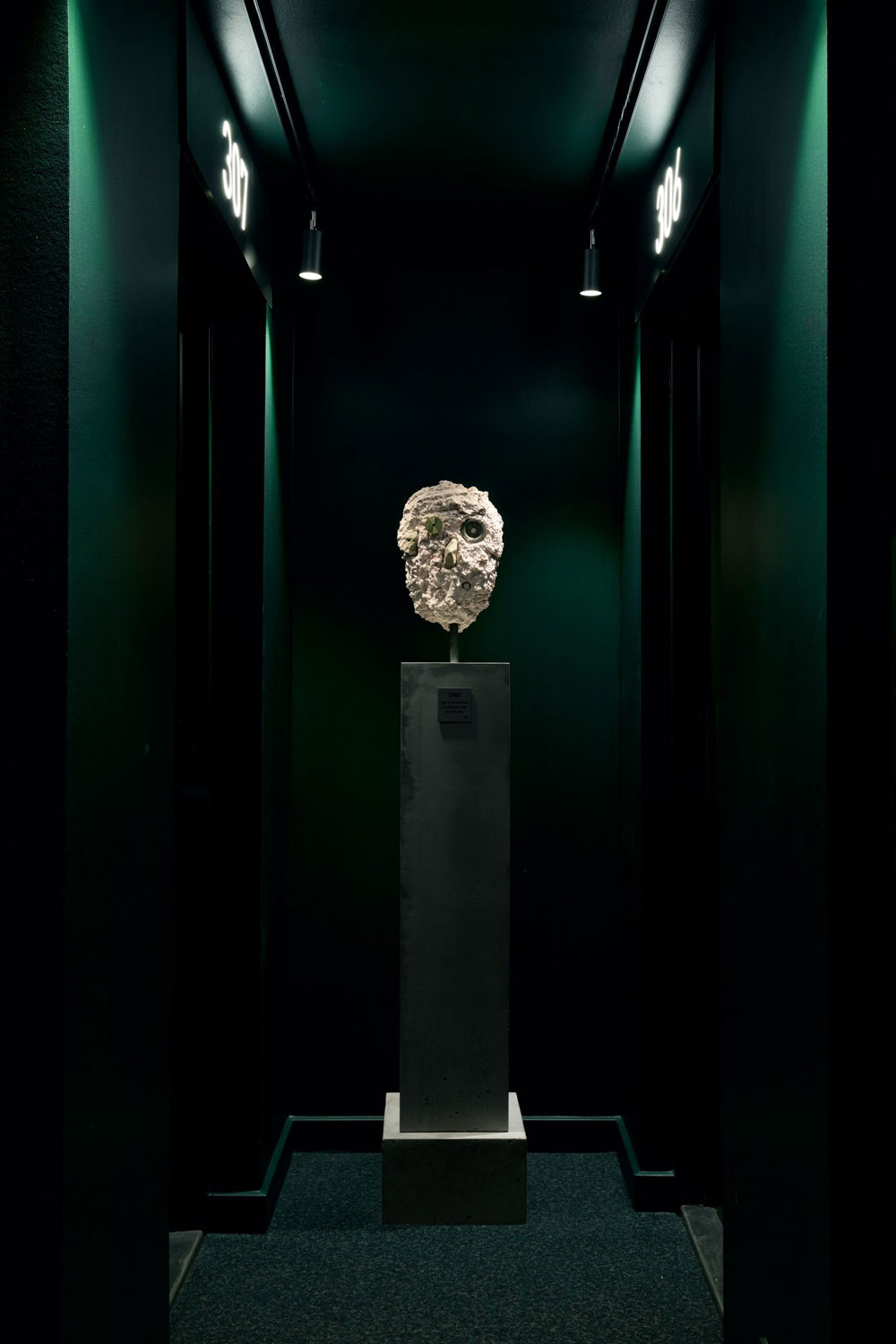
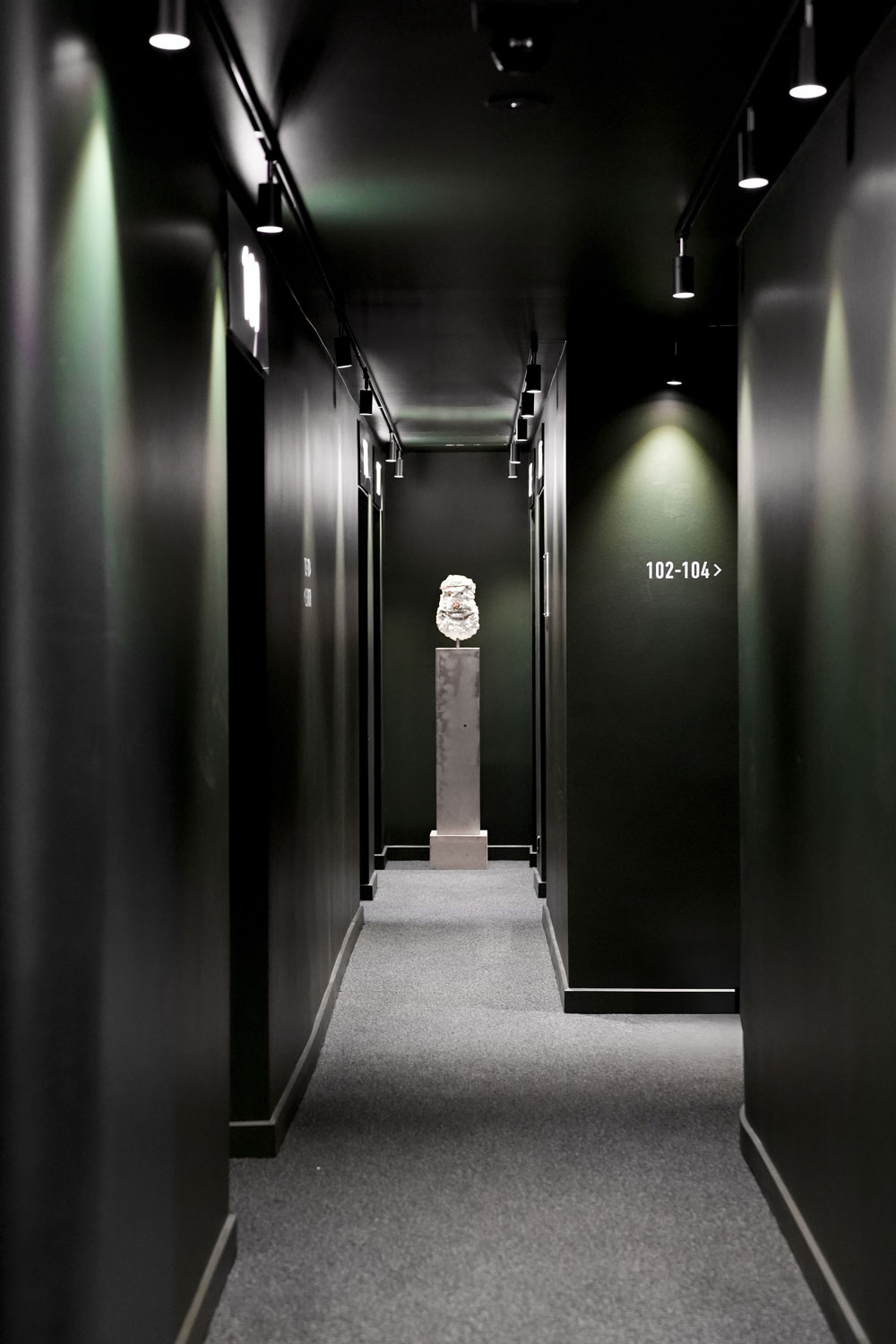
The final design touches include concrete sculptures, designed in collaboration with artist duo Petterson & Hein (and available as original minis from the hotel shop in the lobby) displayed on every floor and a neon artwork by the entrance.
The social spaces matter here. Hotel Hans presents itself as a place where guests and locals are meant to overlap, and the lobby bar is central to that pitch.
By day, it works as a café-style hangout. By evening, it shifts into a livelier cocktail bar. It is evident that Hotel Hans wants to attract local patrons as well as hotel guests. Vermouth is the signature house pour – a detail that could have felt gimmicky, but it fits the hotel’s broader taste for slightly stylised gestures and gives the ground floor a clearer identity than many new boutique hotels manage. Adding to that, we enjoyed our complimentary glasses of wine (Wine Hour is between 5 PM and 6 PM) while listening to the live band playing in the lobby just before heading out to dinner.
There is also a courtyard terrace, which will soften the experience nicely once it has had a few seasons to grow. After all the darker tones, marble surfaces and mood lighting indoors, that pocket of outdoor calm keeps the hotel from feeling too self-enclosed and should make for a lovely summertime setting for wine and conversation.
Brøchner has sensibly carried over some of the rituals that regular guests will already know from its other hotels. Breakfast follows the group’s “Goodmorning it’s Organic” concept, with a 90–100 per cent organic buffet, and the complimentary extras remain part of the stay, including Wine Hour and Nightcap Hour (pro tip: regardless of what Brøchner hotel you are staying at, whether it is Hotel Hans, Hotel SP34, Hotel Ottilia or Hotel Danmark, you can enjoy your afternoon tipple or night cap in either of them). These touches may not be unique in Copenhagen any more, but they still give the hotel a bit more personality than the standard boutique-hotel transaction.
The in-house restaurant, Bolo, is framed as Mediterranean-inspired rather than aggressively Nordic, which feels sensible in this setting. It keeps the food offering broad, sociable and in step with the hotel’s more international energy. Starters include classics such as Jamon Iberico and Gambas al Ajillo and the mains range from a humble risotto via a rich bolognese to a mighty Ribeye steak with fries. Bolo offers a tasting menu as well as wine pairings.
Affiliate link (what is it?)
Hotel Hans does not feel like another Copenhagen boutique hotel trying to charm you with soft neutrality and good linen. It is more deliberate than that. The Brøchner hotel group has taken a familiar local formula and pushed it somewhere moodier, greener and more theatrical, without losing control of the guest experience. The rooms are well judged, the public spaces carry real identity and the location between Frederiksberg and Nørrebro gives the whole thing a stronger sense of place than many city openings manage. It will not be for those wanting old-fashioned grand-hotel polish or full-on Nordic serenity. But if you like your Copenhagen stay with edge, contrast and a little stagecraft, Hotel Hans is one of the city’s more interesting recent arrivals.
Affiliate link (what is it?)
Frederiksberg feels like Copenhagen with its collar straightened, though never in a stuffy way. Independent from the capital until the early 20th century, it still carries itself with a certain poise with its leafy avenues, handsome apartment buildings, elegant food shops and a calmer, more residential rhythm. This is where you stay for a version of the city that feels refined but lived-in, with the gardens, cafés and broad boulevards. Around Gammel Kongevej and Falkoner Allé, everyday life unfolds at a pleasingly civilised pace. It lacks neighbouring Nørrebro’s friction, but makes up for it in ease, charm and a subtly affluent confidence that feels proudly, its own.
Affiliate link (what is it?)
Photography courtesy of Hotel Hans
Urban
Rural
Trendy
Classic
Happening
Serene
Affordable
Lavish
Share this
Affiliate link (what is it?)
Photography courtesy of Hotel Hans
Urban
Rural
Trendy
Classic
Happening
Serene
Affordable
Lavish
Automated page speed optimizations for fast site performance