On 4 October, Sweden celebrates Kanelbullens dag, or Cinnamon Bun Day. The tradition dates from 1999 and the modern kanelbulle is barely a century old. Its defining spices travelled a very long way to get here. So how did this sticky, buttery, cardamom-scented bun become so thoroughly Swedish?
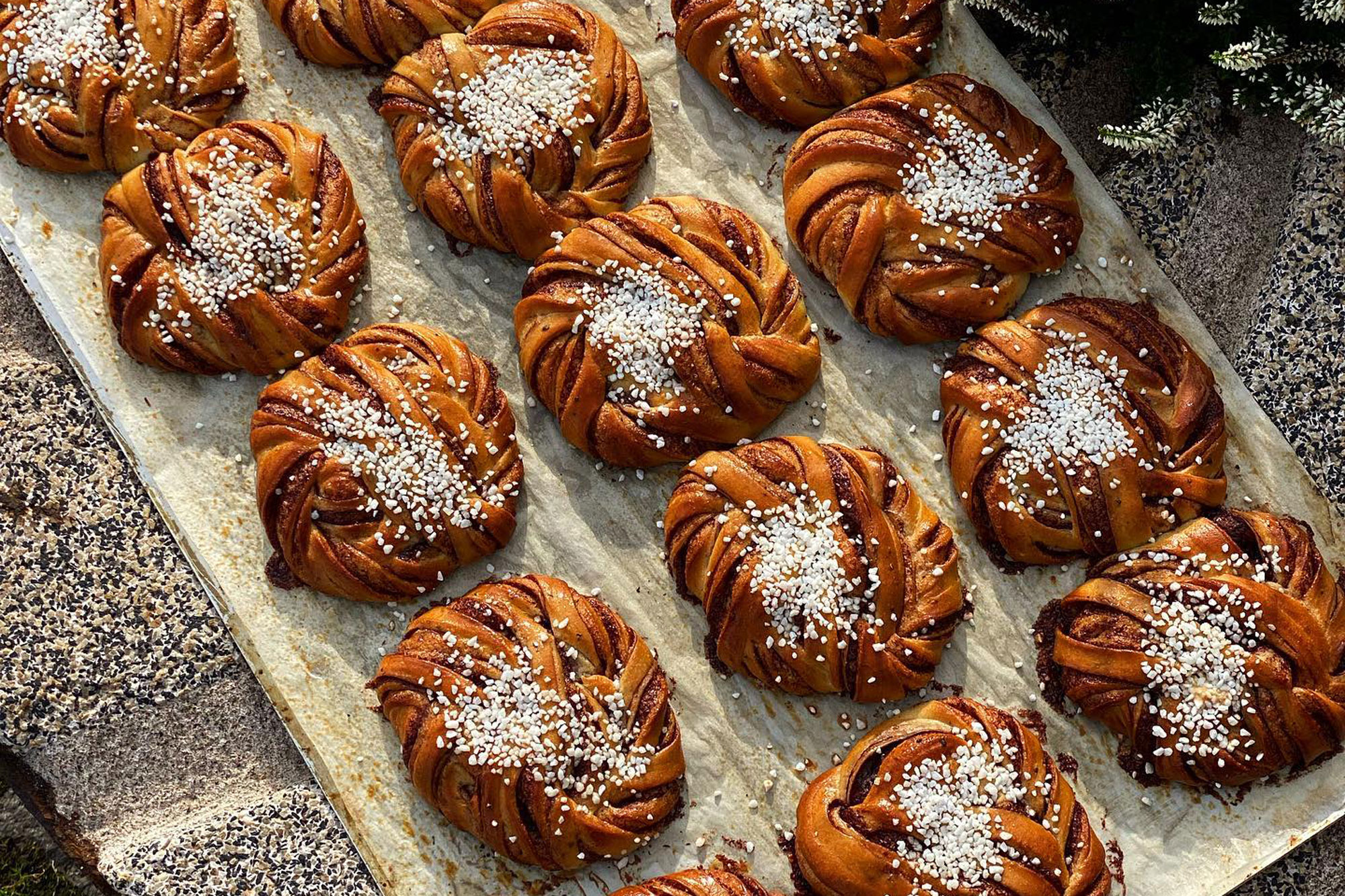
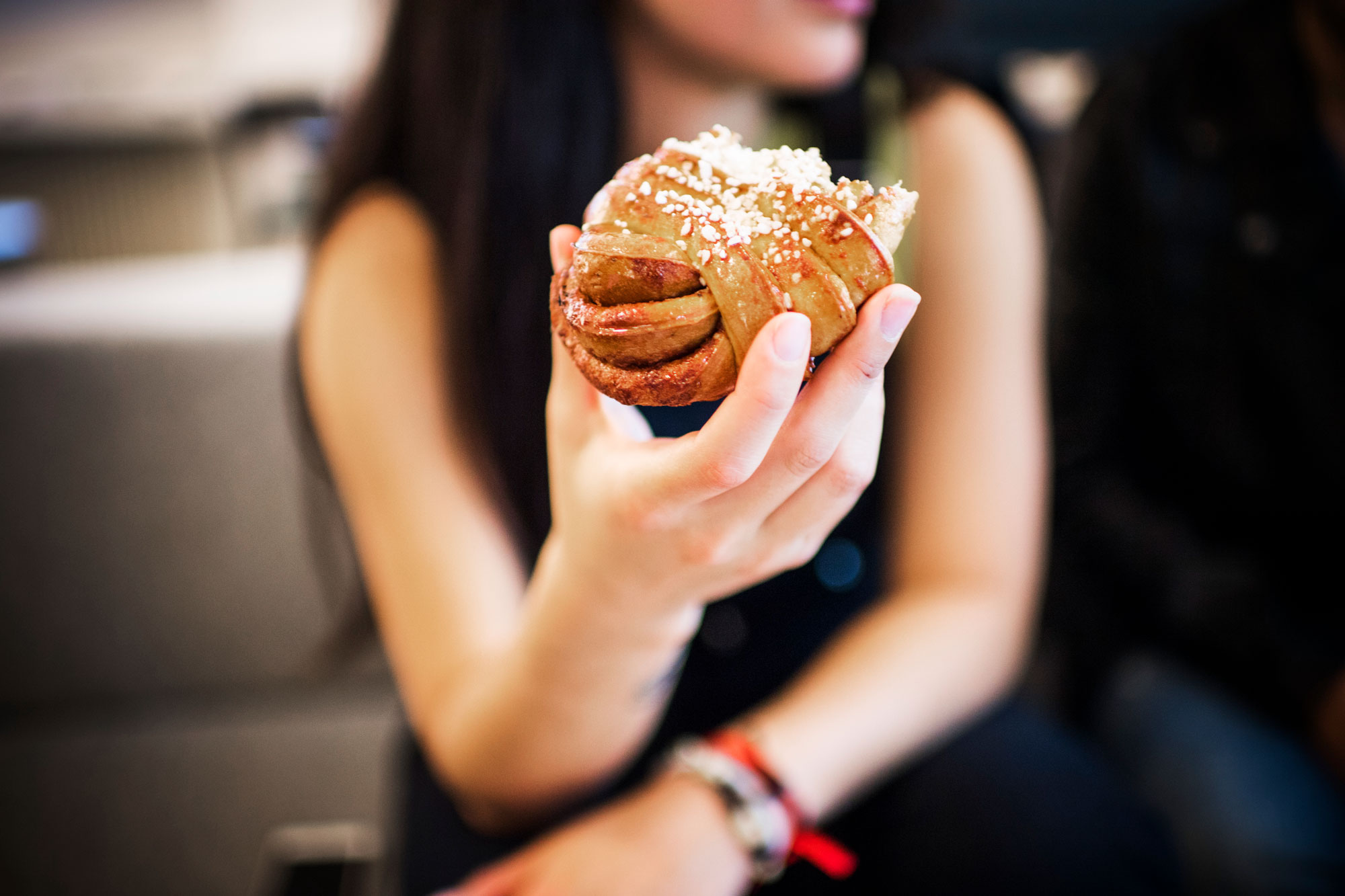
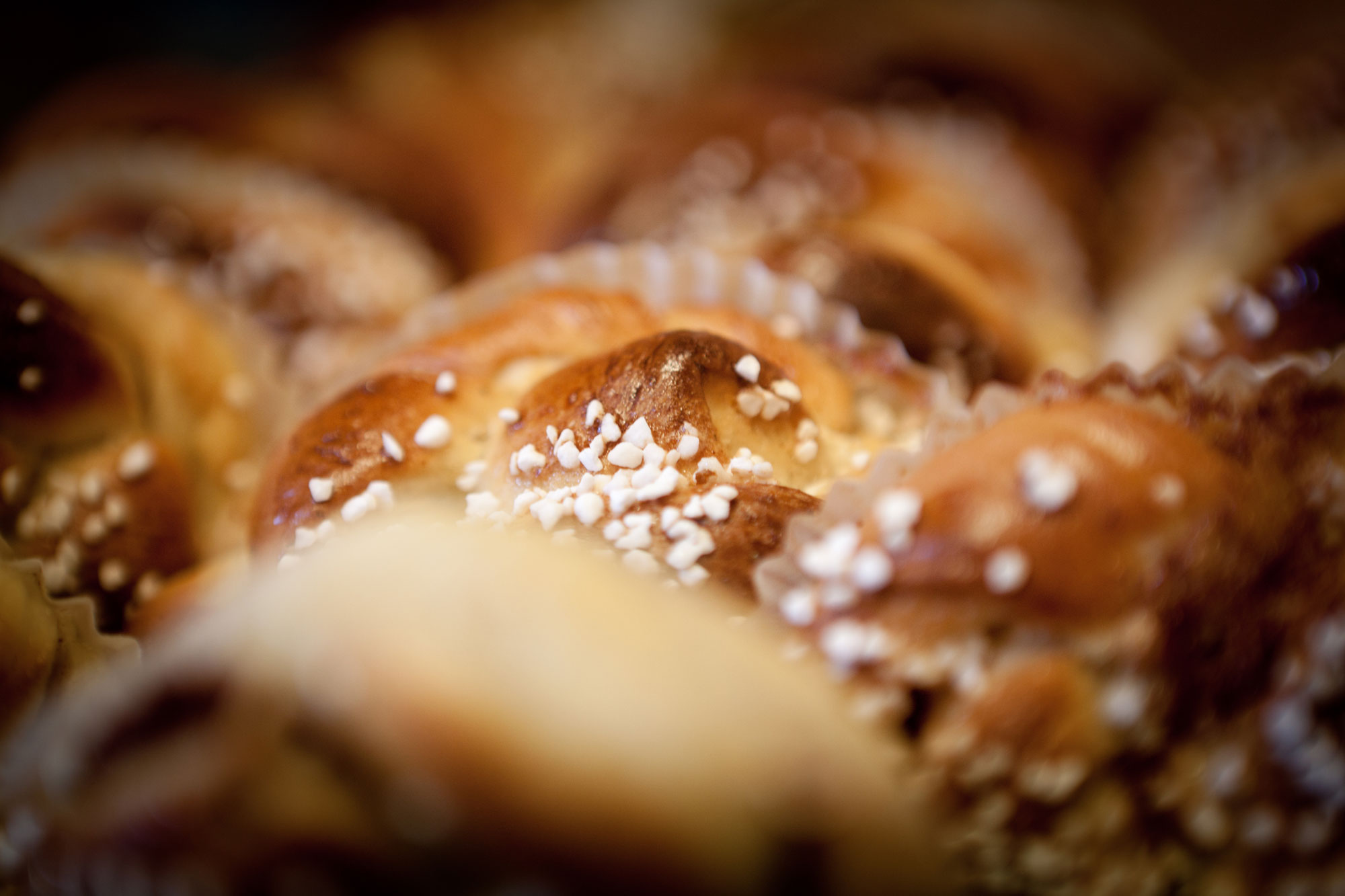
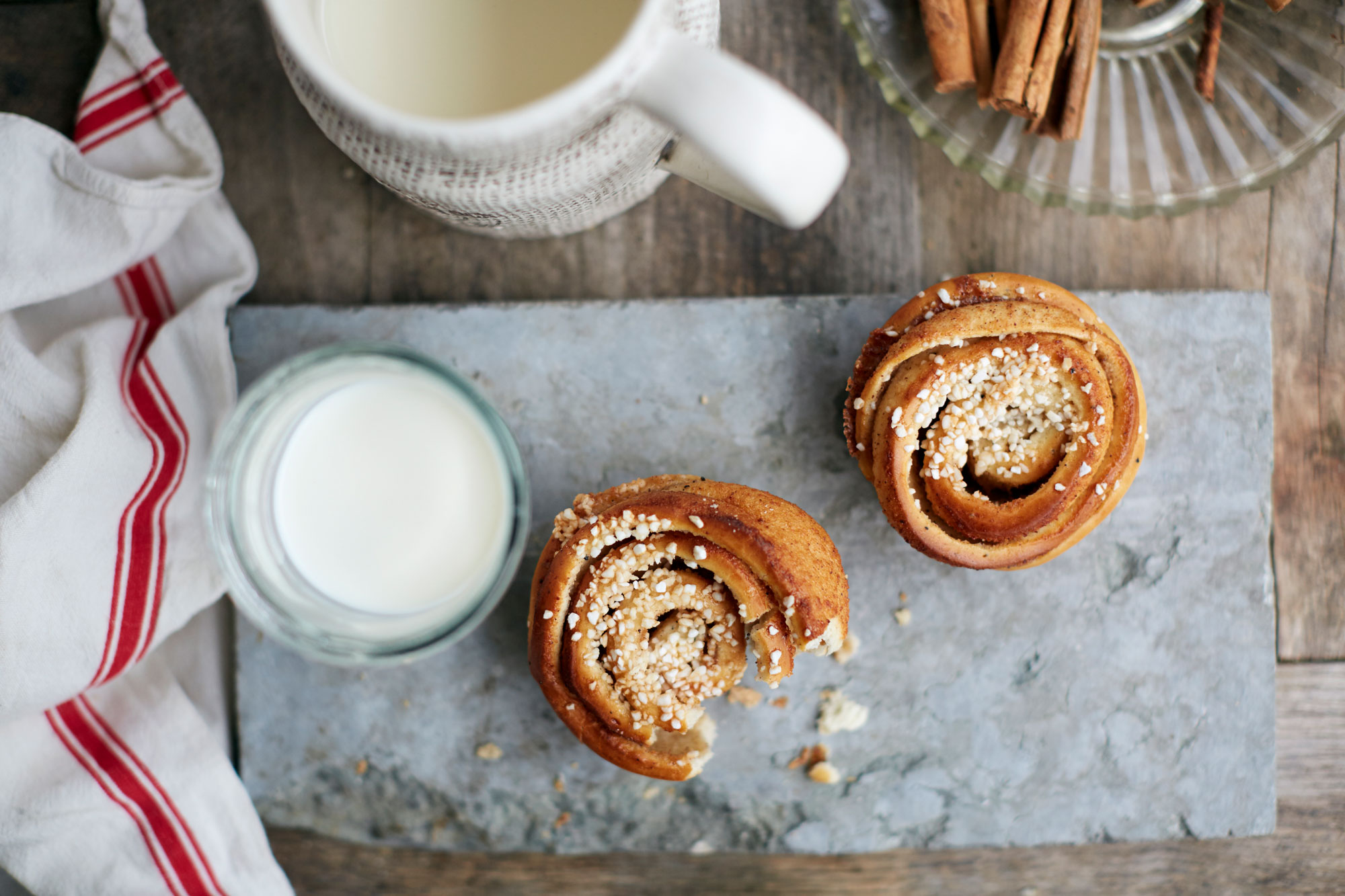
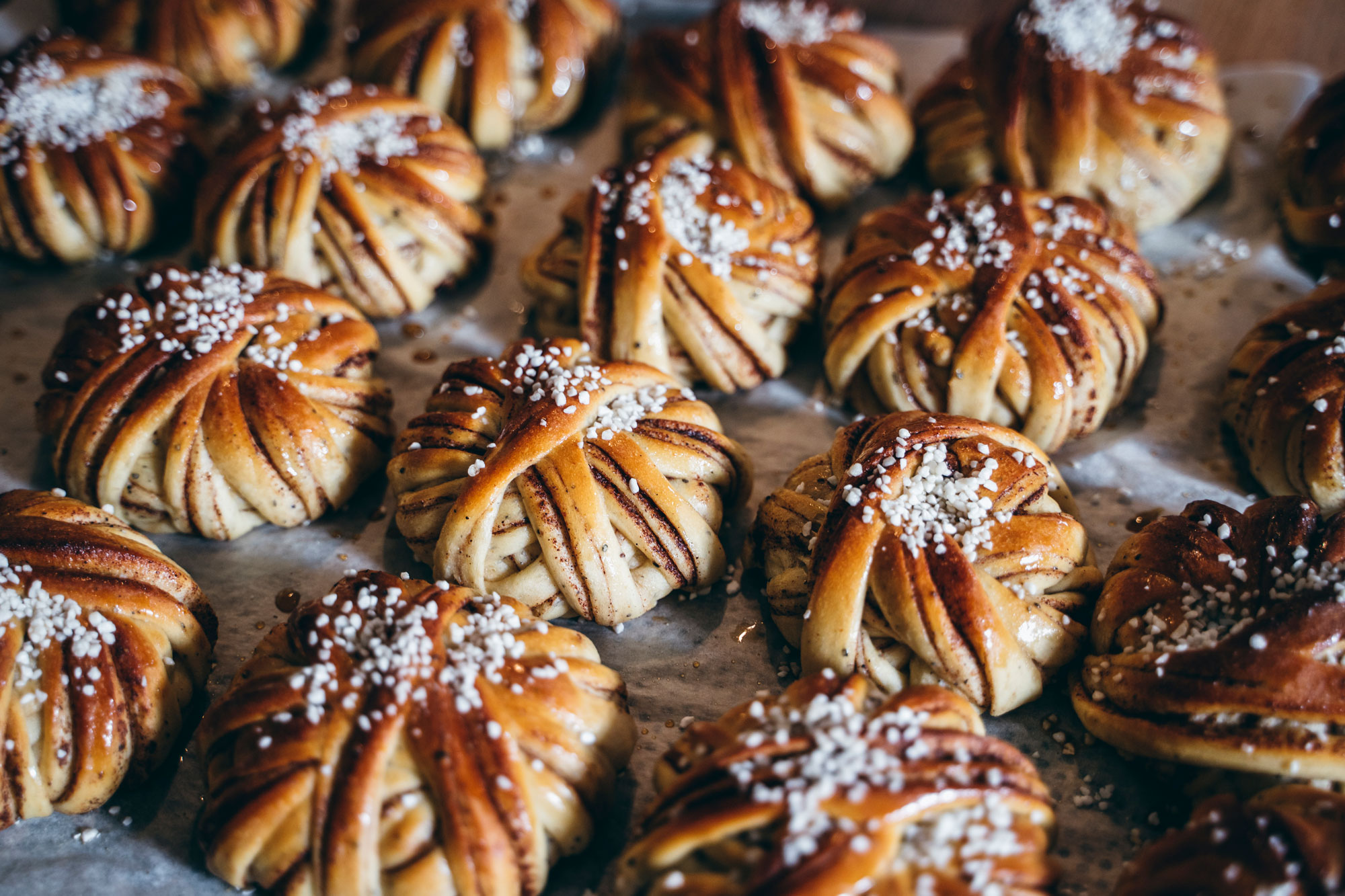
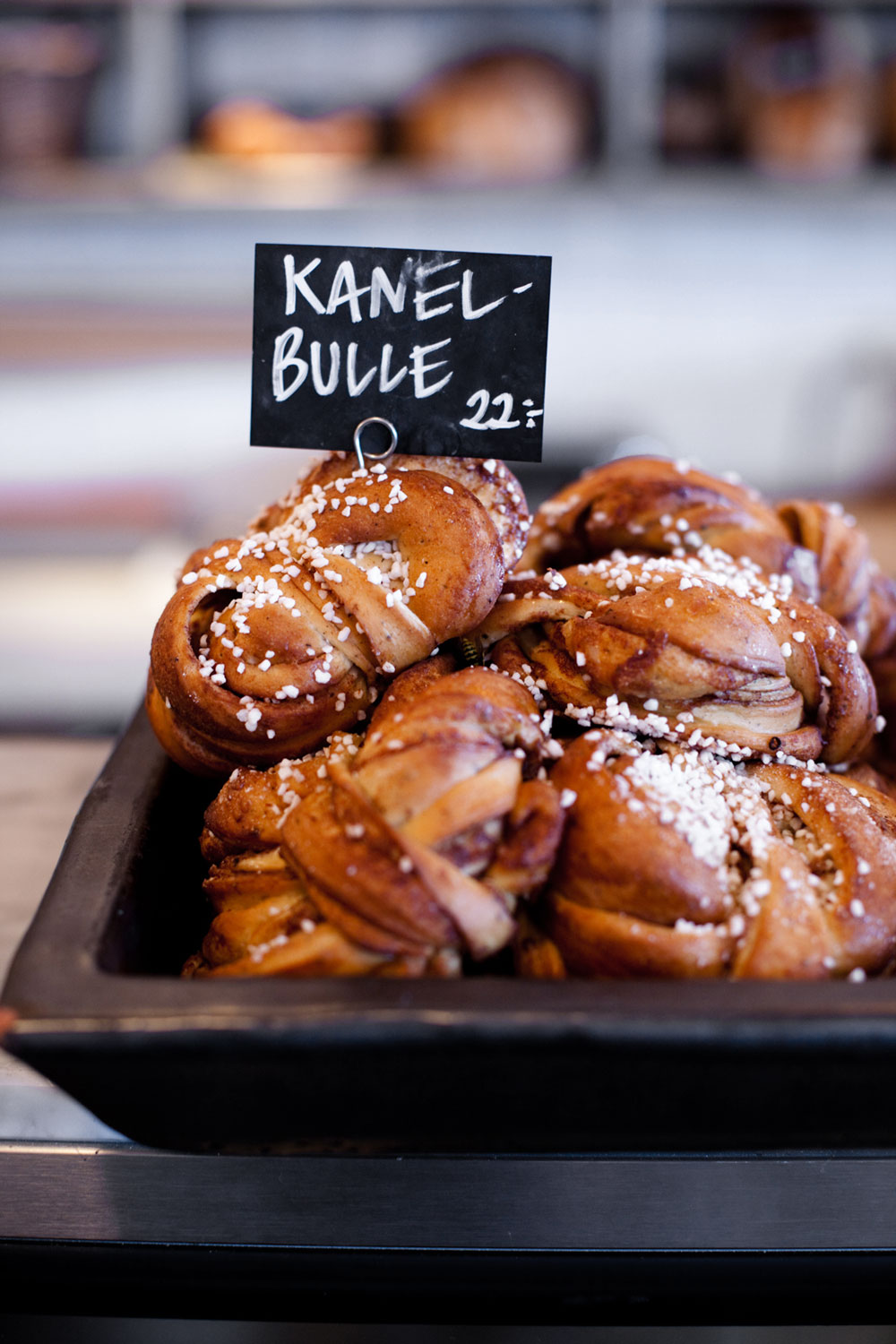
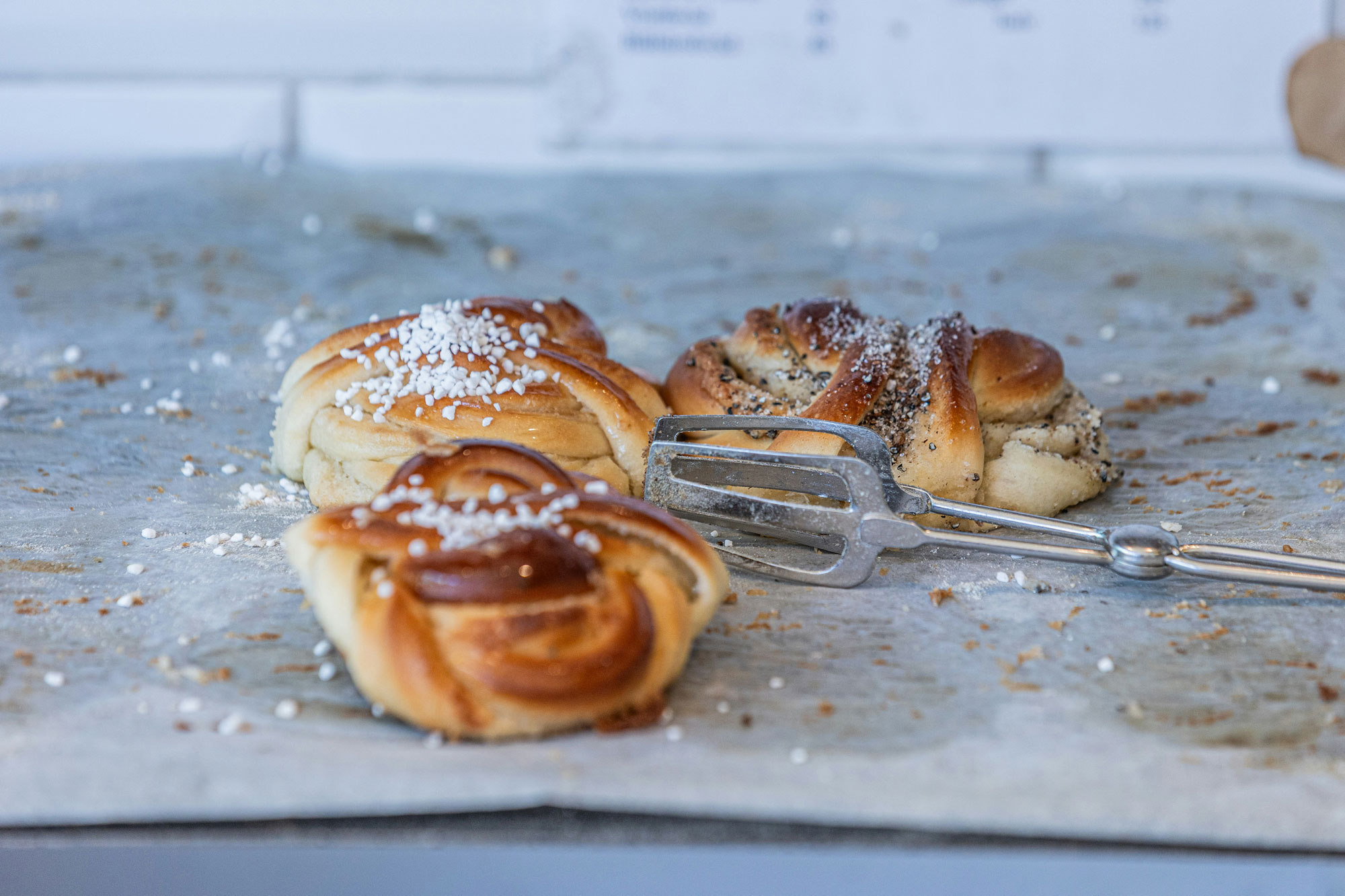
A Swedish kanelbulle is a soft, yeasted wheat bun filled with butter, sugar and cinnamon. The dough is often scented with cardamom, then rolled, twisted or knotted before baking. On top, there is usually pearl sugar, the chunky white sugar crystals used widely in Swedish baking.
Icing is uncommon. The bun is sweet, buttery and aromatic, yet still clearly bread. You taste the yeast, the wheat and the spices.
Cardamom can catch people by surprise, even Swedes who have never thought much about what goes into the dough. It has a long place in Swedish sweet baking and especially in vetebröd, the broad category of soft, enriched wheat breads traditionally served with coffee. A classic kanelbulle generally uses cardamom in the dough and cinnamon in the filling. Its close relative, the kardemummabulle, gives cardamom the lead role.
The shape varies. Some are tight spirals, others loose swirls or elaborate knots. Contemporary bakeries have turned bun-shaping into a small craft of its own, although the underlying combination stays recognisable: wheat dough, spice, butter, sugar.
A kanelbulle is rarely thought of as dessert. It belongs just as naturally at a mid-morning coffee break as it does after lunch.
Photography courtesy of Skeppsbro Bageri
When did Sweden start eating cinnamon buns?
Long before there were cinnamon buns, there was cinnamon. The spice reached Sweden through international trade centuries ago. Historical records show cinnamon among the expensive imported ingredients used for the wedding of King Gustav Vasa in the 16th century. At the time, it was a luxury product and far removed from everyday home baking.
Cardamom followed a similar path. Native to South Asia, it travelled thousands of kilometres before finding a lasting place in Scandinavian baking. Sugar was also expensive for much of Swedish history. The ingredients that now feel completely ordinary in a kanelbulle were once rare enough to signal wealth.
The modern bun seems to have taken shape during the early 20th century, particularly after the First World War, when butter, sugar, flour and spices became easier to obtain again. Early recipes are difficult to pin down with complete precision. Food historians have pointed out that the cinnamon bun has attracted surprisingly little serious research considering how central it now feels to Swedish food culture.
By the 1950s, the picture becomes clearer. Recipes were appearing in major Swedish cookbooks and cinnamon buns were being sold commercially. Sweden was also changing quickly. Rising living standards made ingredients easier to afford and domestic kitchens were becoming better equipped. Ovens improved and home baking became easier.
The kanelbulle settled into Swedish homes. People could bake a large batch, freeze them, serve them to visitors or put them on the table for an ordinary coffee break. The post-war home helped turn the bun from an occasional treat into habit. Its rise belongs firmly to modern Sweden.
Photography courtesy of Skeppsbro Bageri
Why is cardamom so important in Swedish baking?
Cinnamon gets the billing, but cardamom is everywhere in the background. A typical Swedish cinnamon bun dough contains ground cardamom, ideally freshly crushed from the pod. It gives the bread a floral, citrusy, slightly peppery scent before the cinnamon filling even comes into play.
Cardamom has been used in Swedish cooking for centuries. For a long time it was an expensive imported spice. By the 19th century it was appearing regularly in recipes for cakes and sweet breads and eventually became one of the defining flavours of Swedish vetebröd.
That is one reason a Swedish kanelbulle can taste different from the cinnamon rolls many visitors know from elsewhere. The dough already carries a distinct aromatic profile before it is filled.
Today Swedish bakeries often give cardamom its own bun altogether. The kardemummabulle is usually filled with cardamom, butter and sugar and may be finished with a coarse cardamom-sugar mixture on top. It has become almost as common as the cinnamon bun itself.
Ask people in Stockholm, Gothenburg or Malmö which one they prefer and you are unlikely to get a unanimous answer.
Neither spice has Scandinavian origins. The flavour profile we now associate with Swedish baking was built through centuries of trade.
Photography courtesy of Tuukka Ervast and imagebank.sweden.se
How did the cinnamon bun become part of fika?
To understand why the kanelbulle matters, you need to understand fika.
The Swedish word is often translated as a coffee break, but in practice it covers a much wider range of everyday situations. Fika can mean stopping work for coffee with colleagues, meeting a friend in a café, putting on a pot when someone drops by or taking fifteen minutes in the afternoon with something sweet. It is an ordinary social habit and can happen once a day, several times a day or whenever there is a good enough excuse.
Coffee arrived in Sweden long before the cinnamon bun and became deeply embedded in daily life. By the time the kanelbulle spread widely during the 20th century, people were already used to drinking coffee together and sweet baking had an obvious place beside the cup.
The bun fit easily into that routine. It was affordable enough for everyday life, simple to portion and easy to bake in quantity. You could make dozens at home, buy one from almost any café or bakery and keep a bag in the freezer for unexpected visitors.
Its structure also suits coffee. Pearl sugar adds crunch. Cardamom perfumes the dough. Cinnamon and butter carry the filling. The bun has enough sweetness to feel like a treat without becoming heavy. In Sweden, a cinnamon bun at 10.30 in the morning requires no explanation.
Photography courtesy of Svedjan Bageri
What makes a Swedish cinnamon bun different from a cinnamon roll?
The two belong to the same family of yeasted dough, cinnamon, butter and sugar, but the classic versions take different forms.
An American-style cinnamon roll is often larger, softer and sweeter, frequently baked with other rolls in a tray and finished with glaze or cream-cheese icing. A Swedish kanelbulle is usually baked individually and left unfrosted. Pearl sugar is the traditional topping. Cardamom in the dough is another familiar Swedish feature.
The shape also has its own vocabulary. A Swedish baker may make a snail-like snäcka, a twisted snurra or a knut, literally a knot. Some modern buns now look almost woven, with ribbons of dough and filling folded into intricate forms.
Swedish bakeries have also become increasingly ambitious with ingredients. Sourdough, stone-ground flour, cultured butter and carefully sourced spices are now common in bakeries that treat the bun as a serious craft product.
The classic versions have not disappeared. Supermarkets still sell multipacks. Homemade buns still come out of freezers when guests arrive. Both sit comfortably alongside the carefully laminated, heavily knotted versions found at newer bakeries.
Photography courtesy of Magnus Carlsson and imagebank.sweden.se
What are the hallmarks of a good cinnamon bun?
Everyone has a different idea of the perfect kanelbulle. Ours starts with the dough. It should be well worked, elastic and airy, but with a centre that stays just a little soft and almost underbaked where the dough meets the filling.
Then comes the filling, and there should be plenty of it. Cinnamon, butter and sugar need to run through the whole bun, not appear in a few polite streaks. Some of that filling should escape during baking and caramelise underneath, creating a darker, sticky edge with almost toffee-like depth.
The colour matters too. We want a deep golden surface, never pale, with enough heat in the bake to develop flavour without drying out the crumb. Cardamom should be obvious in the dough, preferably freshly ground, and a little salt helps keep the sweetness in check.
A good bun should have contrast: soft centre, firmer edges, sticky filling, a slightly crisp top and enough pearl sugar to add texture. We also prefer one that looks handmade rather than engineered into perfection. A little unevenness, a twisted edge or some filling that has leaked onto the tray usually makes it more inviting.
Most importantly, you should smell it before you taste it. Warm butter, yeast, cardamom and cinnamon should reach you first.
Photography courtesy of Lieselotte van der Meijsand and imagebank.sweden.se
Why does Sweden have a Cinnamon Bun Day?
Because someone invented it. Kanelbullens dag was launched on 4 October 1999 by Hembakningsrådet, a Swedish organisation founded in 1959 to encourage home baking. The organisation was marking its 40th anniversary and wanted an occasion that would draw attention to Swedish baking. The cinnamon bun was an obvious choice: familiar, widely baked and already strongly associated with coffee and home life.
There was no medieval festival behind it and no old religious feast attached to the date. Cinnamon Bun Day began as a modern promotional initiative.
It spread quickly. Within a few years, awareness had reached much of the country. Bakeries embraced the day, workplaces bought trays of buns and supermarkets promoted them heavily.
From 2004, 4 October began appearing in Swedish calendars as Kanelbullens dag. Today the day feels firmly established. Every autumn, bakeries prepare for extra demand, newspapers publish recipes and Swedish brands find increasingly inventive ways to join the conversation. Offices bring in boxes of buns. People bake at home. Social feeds fill up with cinnamon, cardamom and pearl sugar. The celebration is young. The habit it taps into is older.
Photography courtesy of Unsplash, Björn Tesch and imagebank.sweden.se
So what is actually Swedish about the Swedish cinnamon bun?
The ingredients arrived from elsewhere. The culture around the bun grew in Sweden.
Cinnamon and cardamom became part of local baking. Rising prosperity made butter, sugar and spices accessible to many more households. Better domestic ovens helped turn baking into routine. Recipes entered standard cookbooks. Coffee gave the bun its natural companion and fika gave it a place in daily life.
The kanelbulle now turns up almost everywhere. It sits in supermarket bags, neighbourhood bakeries, office kitchens, railway cafés and some of the country’s most ambitious new bakeries. People bake them with children, keep them in the freezer and buy them by the box for meetings. That everyday presence explains much of its cultural weight. The bun can mark a celebration and still feel completely ordinary.
Kanelbullens dag works for the same reason. By the time Hembakningsrådet invented the day in 1999, the cinnamon bun already belonged to Swedish daily life.
Sweden did not give the world cinnamon or cardamom. It gave those spices a soft wheat bun, a strong cup of coffee and a reason to stop what you are doing for fifteen minutes.